Kitchen Cabinet Installation: A Comprehensive Guide
Introduction to Kitchen Cabinet Installation
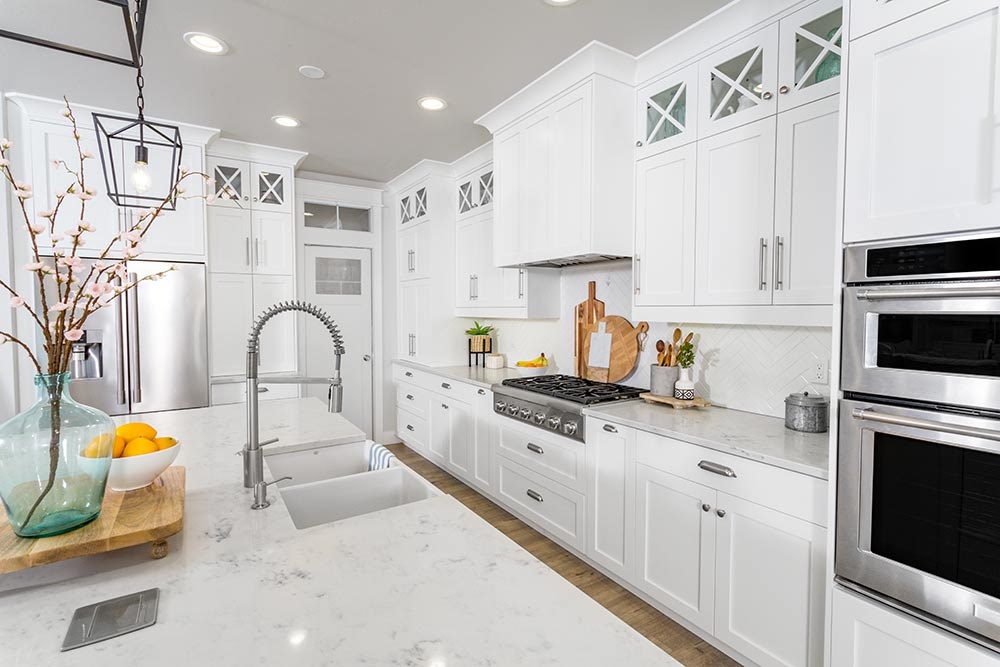
Kitchen cabinet installation is a crucial aspect of kitchen renovation or remodeling projects. Well-installed cabinets not only enhance the aesthetic appeal of your kitchen but also provide functional storage space. Whether you're a seasoned DIY enthusiast or a first-time homeowner looking to spruce up your kitchen, understanding the process of installing kitchen cabinets is essential.
Planning Your Kitchen Cabinet Installation
Before diving into the installation process, careful planning is necessary to ensure a smooth and successful outcome.
Measuring and Assessing Space
Start by measuring the dimensions of your kitchen space accurately. Consider factors such as ceiling height, floor levelness, and existing infrastructure like plumbing and electrical outlets.
Setting a Budget
Determine your budget for the project, including costs for cabinets, hardware, and any additional materials or professional help you may need.
Choosing the Right Cabinets
Select cabinets that complement your kitchen's style and layout while also fitting within your budget constraints. Consider factors such as materials, finishes, and storage features.
Preparing for Installation
Proper preparation is key to a hassle-free installation process.
Gathering Necessary Tools and Materials
Ensure you have all the tools and materials required for the installation, including screws, drills, screwdrivers, shims, and a level.
Clearing the Space
Remove any existing cabinets, appliances, or obstacles from the installation area to create a clear workspace.
Step-by-Step Guide to Installing Kitchen Cabinets
Follow these steps for a systematic installation process:
Marking and Leveling
Use a pencil and level to mark reference lines on the walls to guide the placement of cabinets and ensure they are level and plumb.
Installing Upper Cabinets
Start by installing upper cabinets first, beginning from the corners and working your way outwards. Secure them to the wall studs using screws.
Installing Base Cabinets
Next, install base cabinets, again starting from the corners and checking for levelness as you go. Use shims to adjust and ensure a snug fit against the wall.
Securing Cabinets Together
Once all cabinets are in place, secure them together using screws through the cabinet frames or sides.
Finishing Touches
After installing the cabinets, focus on adding final touches to complete the look and functionality of your kitchen.
Adding Trim and Hardware
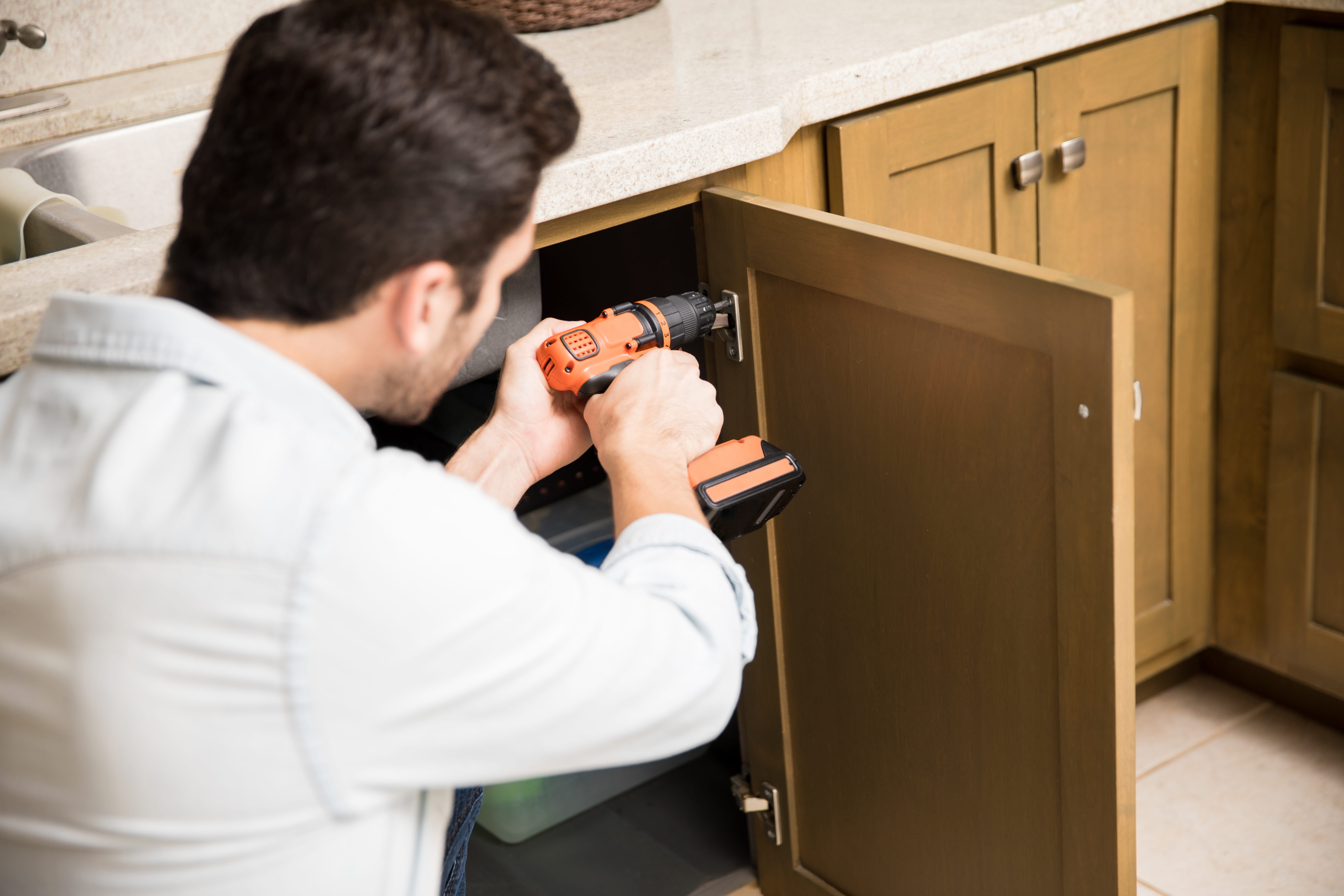
Install trim pieces such as crown molding, toe kicks, and filler strips to cover gaps and enhance the aesthetic appeal. Kitchen Cabinet Installation Attach hardware such as handles and knobs to the cabinet doors and drawers.
Checking for Alignment and Adjustments
Carefully inspect the installed cabinets for alignment and make any necessary adjustments to ensure they are level, straight, and properly spaced.
Common Mistakes to Avoid
Avoid these common pitfalls during the installation process:
- Failing to measure accurately
- Neglecting to level cabinets properly
- Overlooking structural issues or obstacles
- Rushing through the installation without proper planning
Maintenance and Care Tips
Once your kitchen cabinets are installed, maintain them properly to ensure longevity and performance. Regular cleaning and occasional adjustments can help keep them looking and functioning their best.
Conclusion
Installing kitchen cabinets is a rewarding project that can transform the look and functionality of your kitchen. By following a systematic approach and paying attention to detail, you can achieve professional-looking results while staying within budget.
Get Access Now: https://bit.ly/J_Umma
FAQs (Frequently Asked Questions)
- How long does it take to install kitchen cabinets?
- The duration of installation depends on various factors such as the size of the kitchen, complexity of the design, and proficiency of the installer. On average, it may take a few days to complete the installation process.
- Can I install kitchen cabinets myself, or should I hire a professional?
- While DIY installation is possible for those with basic carpentry skills, hiring a professional installer can ensure precision and efficiency, especially for complex layouts or custom cabinets.
- Do I need to remove existing cabinets before installing new ones?
- Yes, it's typically necessary to remove old cabinets before installing new ones. This allows for a clean slate and ensures proper alignment and fit for the new cabinets.
- What are some common challenges faced during cabinet installation?
- Common challenges include uneven walls, plumbing or electrical obstacles, and discrepancies in cabinet dimensions. Proper planning and preparation can help mitigate these challenges.
- How often should I inspect and maintain my kitchen cabinets?
- It's advisable to inspect and clean your kitchen cabinets regularly, at least once every few months. Pay attention to signs of wear and tear, such as loose hinges or damaged finishes, and address them promptly to prevent further damage.