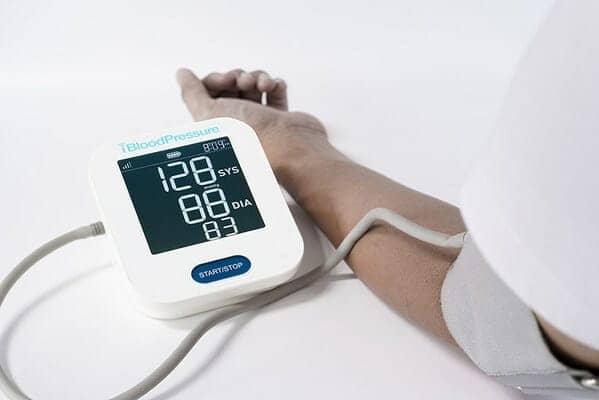
As the healthcare landscape continues to evolve, the adoption of remote patient monitoring solutions (RPMS) has become increasingly prevalent. These innovative technologies offer healthcare providers the ability to monitor patients' health remotely, leading to improved outcomes and enhanced patient satisfaction. In this article, we explore effective RPM implementation strategies aimed at maximizing success in patient monitoring.
Understanding the Importance of RPM Implementation
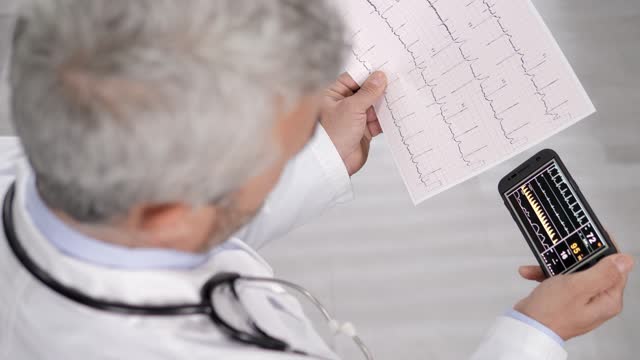
Remote patient monitoring solutions hold immense potential in transforming healthcare delivery by enabling proactive monitoring and personalized care. By remotely monitoring patients' vital signs, symptoms, and health trends, healthcare providers can detect issues early, intervene promptly, and optimize treatment plans. Thus, successful RPM implementation is crucial for harnessing the full benefits of these technologies and improving patient outcomes.
Assessing Organizational Readiness
Before implementing remote patient monitoring solutions, healthcare organizations must assess their readiness to adopt and integrate these technologies into existing workflows. This involves evaluating infrastructure capabilities, staff training needs, regulatory requirements, and patient engagement strategies. By conducting a thorough assessment, organizations can identify potential barriers and develop strategies to address them proactively.
Designing Tailored Solutions
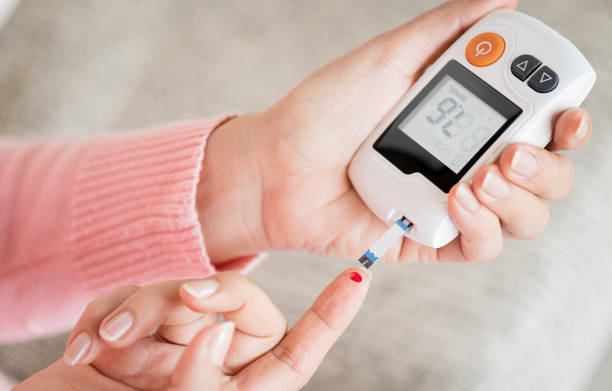
One size does not fit all when it comes to remote patient monitoring solutions. Healthcare organizations must design tailored solutions that align with their unique patient population, clinical workflows, and organizational goals. This may involve selecting appropriate RPM devices, integrating with existing electronic health record systems, and customizing monitoring protocols to meet specific patient needs. By tailoring solutions to fit their context, organizations can maximize the effectiveness and adoption of RPM technologies.
Implementing Robust Data Management
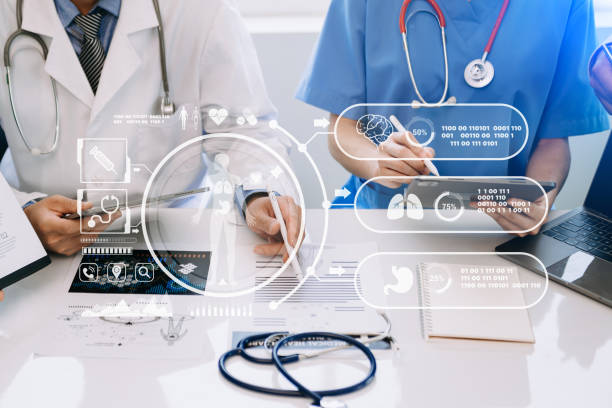
Effective RPM implementation requires robust data management strategies to ensure the secure collection, storage, and analysis of patient data. Healthcare organizations must establish protocols for data transmission, storage, and access, adhering to strict privacy and security standards such as HIPAA. Additionally, leveraging data analytics tools can help extract actionable insights from remote patient monitoring data, enabling informed clinical decision-making and continuous improvement.
Fostering Patient Engagement
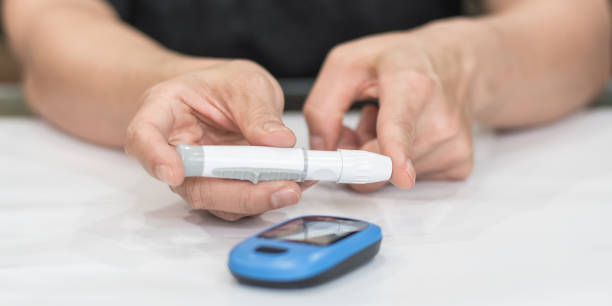
Patient engagement is a key driver of success in remote patient monitoring initiatives. Healthcare organizations must actively involve patients in their care by providing education, support, and encouragement to participate in monitoring activities. This may involve offering user-friendly RPM devices, providing clear instructions for use, and facilitating regular communication between patients and healthcare providers. By fostering patient engagement, organizations can enhance adherence to monitoring protocols and improve health outcomes.
Conclusion
In conclusion, successful implementation of remote patient monitoring solutions requires careful planning, organizational readiness, and a patient-centered approach. By assessing organizational readiness, designing tailored solutions, implementing robust data management practices, and fostering patient engagement, healthcare organizations can maximize the success of RPM initiatives and improve patient outcomes. For comprehensive RPM solutions tailored to your organization's needs, consider partnering with Global Touch LLC. With our expertise and innovative technologies, we can help you achieve success in patient monitoring and enhance the delivery of healthcare services.