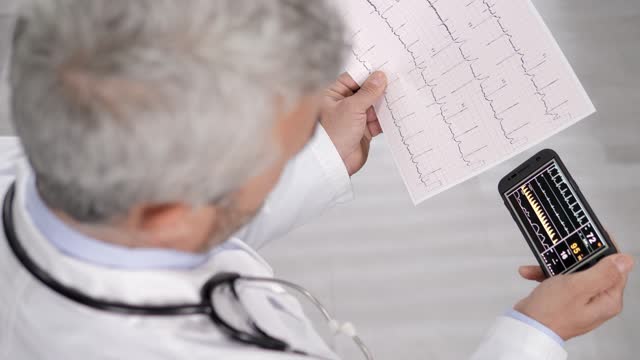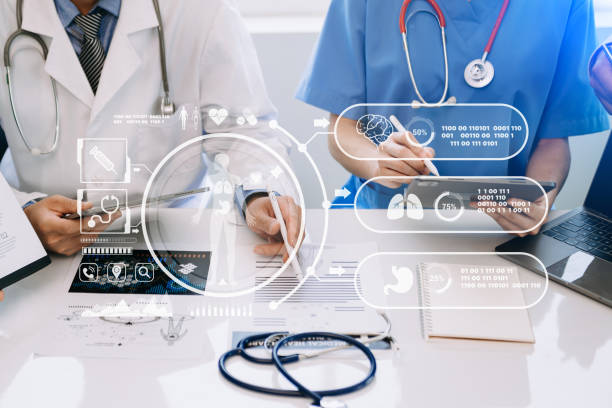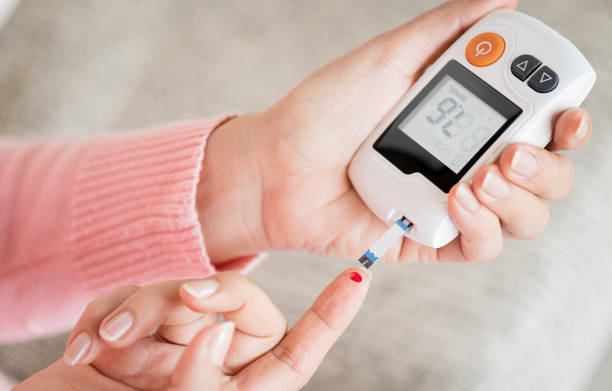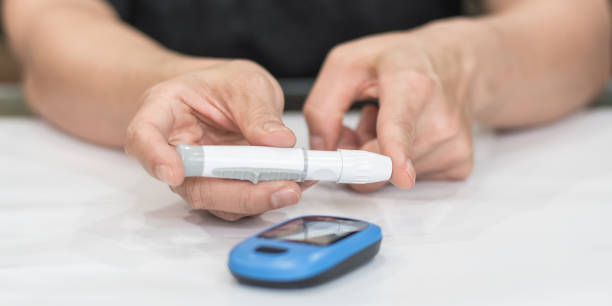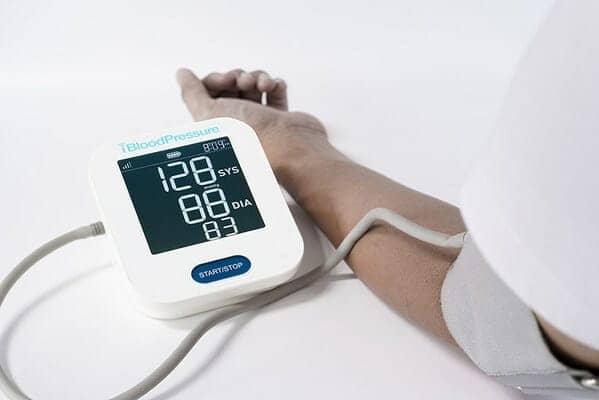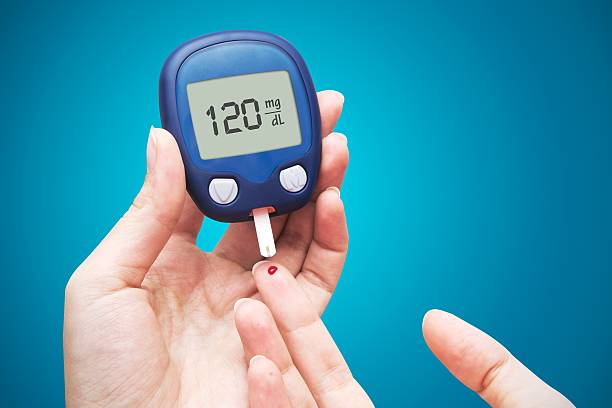
Remote patient monitoring (RPM) solutions are revolutionizing the field of oncology by offering new avenues for personalized care and support. As cancer treatment becomes increasingly complex, the need for continuous monitoring and proactive interventions has never been greater. Remote patient monitoring solutions provide oncology patients with the support they need, wherever they are on their treatment journey.
Understanding the Challenges in Cancer Care
Cancer treatment often involves a combination of therapies, including chemotherapy, radiation, surgery, and immunotherapy. Managing treatment side effects, monitoring disease progression, and supporting patients' overall well-being present significant challenges for healthcare providers. Remote patient monitoring solutions offer a proactive approach to addressing these challenges and improving the quality of cancer care.
Advantages of Remote Patient Monitoring in Oncology
Remote patient monitoring solutions offer several advantages for both patients and healthcare providers in the field of oncology.
Continuous Symptom Monitoring
RPM solutions enable continuous monitoring of cancer-related symptoms, such as pain, fatigue, nausea, and changes in vital signs. By tracking these symptoms in real-time, healthcare providers can identify potential complications early and intervene promptly to improve patient comfort and quality of life.
Medication Adherence Tracking
Adherence to prescribed medications is essential for the success of cancer treatment. RPM solutions can track medication adherence, remind patients to take their medications, and provide feedback to healthcare providers. This proactive approach helps ensure that patients receive the full benefits of their treatment regimen and reduces the risk of treatment interruptions or complications.
Remote Consultations and Support
Oncology patients often require frequent visits to healthcare facilities for check-ups, consultations, and supportive care services. Remote patient monitoring solutions allow for virtual consultations, remote monitoring of treatment side effects, and access to educational resources and support groups from the comfort of home. This not only reduces the burden on patients but also facilitates timely interventions and continuity of care.
Integrating Remote Patient Monitoring into Cancer Care
Incorporating remote patient monitoring solutions into oncology care requires collaboration between healthcare providers, technology developers, and patients themselves.
Tailoring Solutions to Patient Needs
Every cancer patient is unique, with individual treatment plans, preferences, and support needs. Remote patient monitoring solutions should be tailored to meet the specific needs and preferences of each patient, taking into account factors such as treatment regimen, symptom severity, and technological literacy.
Educating Patients and Caregivers
Effective implementation of remote patient monitoring solutions requires education and support for both patients and their caregivers. Healthcare providers should provide comprehensive training on how to use monitoring devices, interpret symptom data, and access support services. Empowering patients and caregivers with the knowledge and tools they need fosters active participation in their care and promotes better health outcomes.
Conclusion
Remote patient monitoring solutions are transforming oncology care by providing continuous monitoring, personalized support, and proactive interventions throughout the cancer treatment journey. By harnessing the power of technology, healthcare providers can improve the quality of care, enhance patient outcomes, and ultimately, make a positive impact on the lives of cancer patients and their families. Global Touch LLC is dedicated to advancing cancer care through innovative remote patient monitoring solutions, ensuring that patients receive the support and care they deserve.