If you are a warehouse owner or work in the logistics industry, you may not be new to the world of diverse storage solutions and shelving systems such as the boltless shelving system and the industrial shelving system. Even though both boltless and industrial shelving systems are used for storage purposes in retail and various other settings, they carry completely different features. In this article, you are going to learn in depth about the similarities, differences, pros, and cons of industrial shelving systems and boltless shelving in Singapore.
Understanding Boltless Shelving
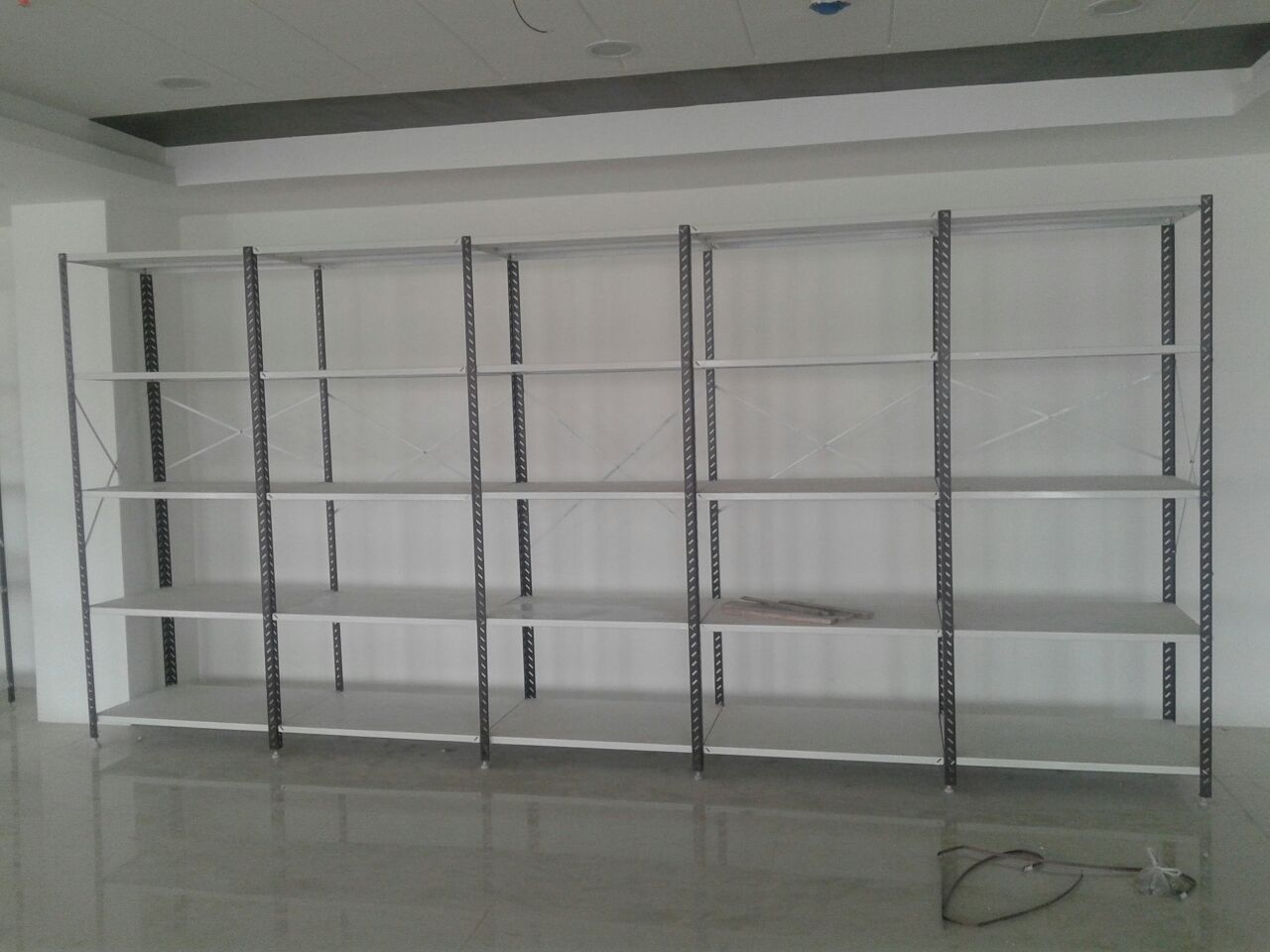
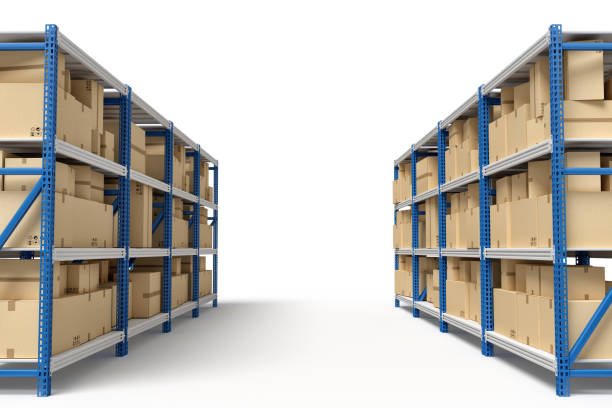
Boltless shelving, as the name suggests, doesn't require bolts or nuts for assembly. Instead, these shelves are designed with interlocking components, making assembly quite simple. One of the primary advantages of boltless shelving is its ease of installation. With no need for specialised tools or expertise, anyone can set up boltless shelves quickly and efficiently.
In Singapore, boltless shelving systems have gained popularity due to their versatility and convenience. Whether you're organising a small storage room or a large warehouse, boltless shelving offers the flexibility to customise the layout according to your needs. The absence of bolts also means that shelves can be adjusted or reconfigured effortlessly, accommodating changing storage requirements over time. In fact, this is a common choice of shelving for bomb shelters in apartments.
Another notable benefit of boltless shelving is its cost-effectiveness. Since these shelves are simple to manufacture and assemble, they tend to be more affordable compared to traditional bolted shelving systems. This makes boltless shelving an attractive option for businesses looking to optimise their storage space without breaking the bank.
However, boltless shelving systems do have their limitations. While a boltless shelving system is suitable for light to medium-duty storage applications, it may not be the best choice for heavy-duty or industrial environments. The absence of bolts can make boltless shelves less sturdy and stable, limiting their capacity to withstand heavy loads. Additionally, over time, the interlocking components may wear out, potentially compromising the structural integrity of the shelves. Nevertheless, if you are keen and responsible enough to properly inspect and maintain them in the long run, these downsides can be easily mitigated.
Exploring Industrial Shelving Systems
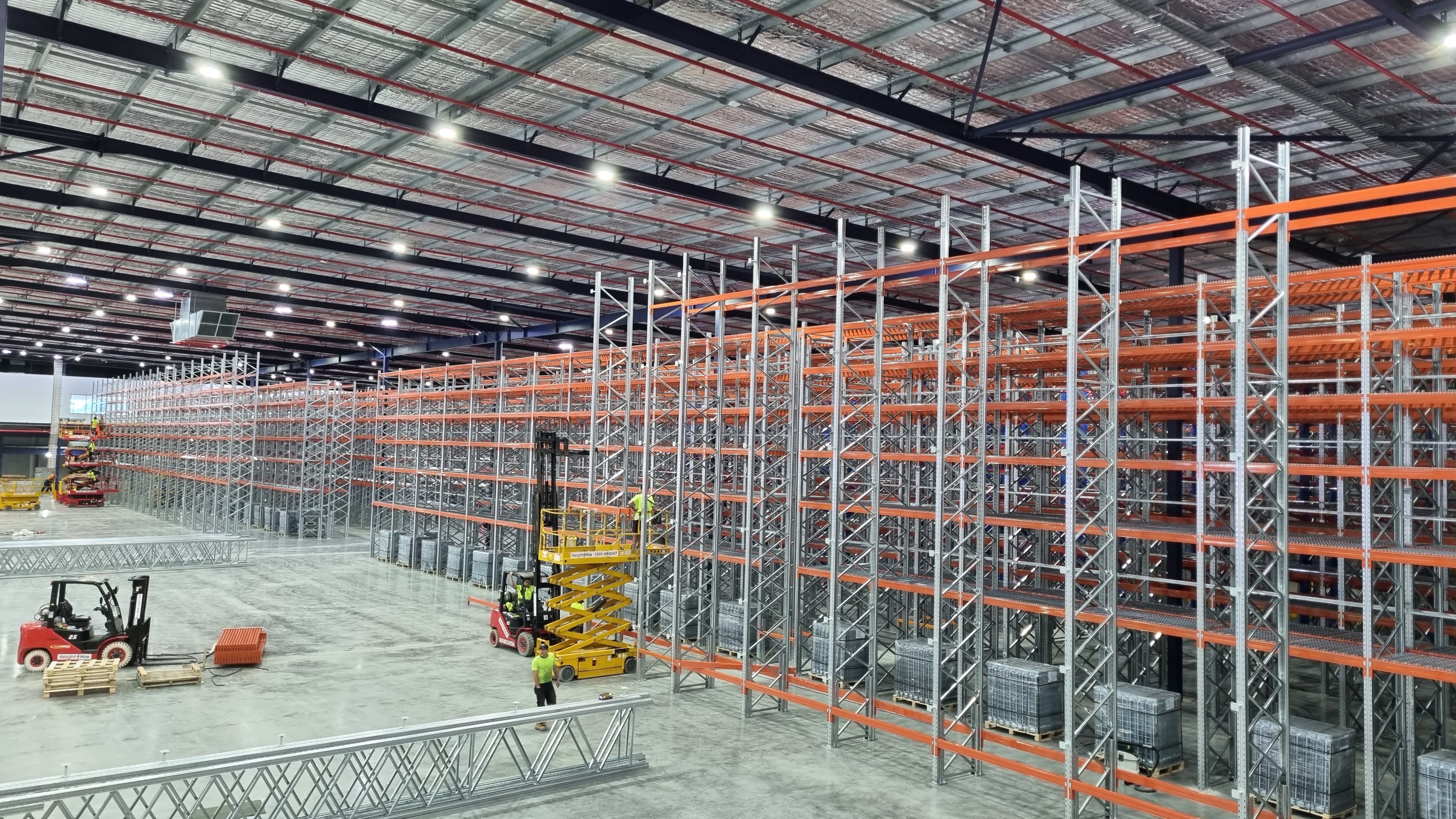
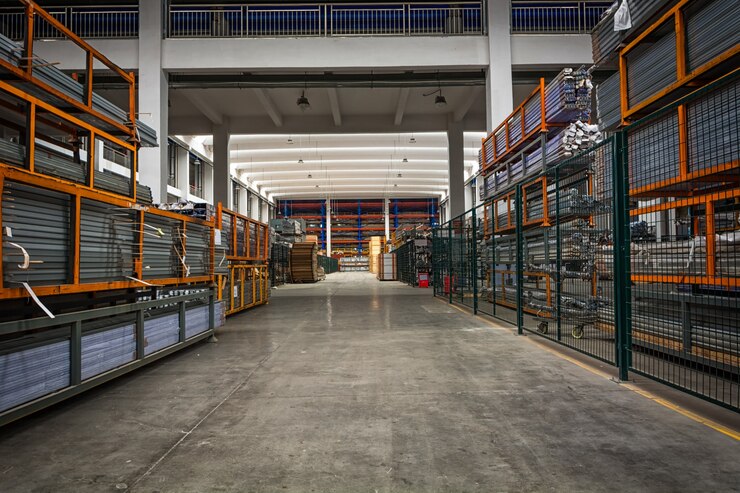
On the other hand, industrial shelving systems are specifically designed to meet the demands of heavy-duty storage environments. Constructed from robust materials such as high tensile steel, industrial shelving systems offer unparalleled strength and durability. These shelves are engineered to support heavy loads safely, making them ideal for warehouses, factories, and other industrial settings.
Industrial shelving systems are typically favoured for their reliability and resilience. They can withstand the rigours of daily use, ensuring long-term stability and safety for stored items. Moreover, industrial shelving systems often come with additional features such as adjustable shelves, integrated safety mechanisms, and optional accessories like bins or dividers, enhancing their functionality and organisation.
Another advantage of industrial shelving is its versatility. While it excels in heavy-duty applications, it can also be adapted for lighter storage needs by adjusting shelf configurations or adding accessories. This versatility facilitates businesses to optimise their storage space efficiently, maximising productivity and workflow.
Nevertheless, industrial shelving systems also have some drawbacks to consider. Firstly, they typically require professional installation due to their complexity and weight. This can result in additional costs and time consumed compared to boltless shelving, which can be assembled by almost anyone. Additionally, the initial cost of installing industrial shelving may be higher than boltless alternatives, especially for businesses on a tight budget. However, if you focus on the long-term benefits you can receive, industrial shelves can be considered a worthy investment despite their initial costs.
To Sum Up
When it comes to storing goods, both boltless and industrial shelving systems offer distinct advantages and disadvantages. While boltless shelves are ideal for small and medium scale storage purposes, industrial shelves serve as a heavy-duty option. When deciding between the two options, it's essential to assess your specific storage requirements, budget constraints, and long-term goals. If you prioritise affordability, flexibility, and ease of installation, boltless shelving may be the ideal choice for your needs. However, if you require maximum strength, durability, and customization capabilities for heavy-duty storage, industrial shelving is likely the better option.
Ultimately, whether you opt for boltless shelving or industrial shelving, investing in a reliable storage solution is crucial for maintaining an organised and efficient workspace. By weighing the pros and cons of each option and considering your unique needs, you can make an informed decision that maximises the functionality and productivity of your storage space.