Efficient material handling is essential for small retail shops to streamline operations, improve productivity, and enhance the overall customer experience. From receiving and stocking inventory to fulfilling orders and managing returns, implementing effective material handling practices can help small retailers optimize their workflow and maximize profitability.
Here are 7 best practices for material handling tailored specifically to small retail shops:
- Optimize Inventory Management: Proper inventory management is the foundation of effective material handling. Utilize inventory management software to track stock levels, monitor sales trends, and forecast demand. Implement a first-in, first-out (FIFO) inventory rotation system to ensure that older stock is used or sold before newer arrivals, minimizing waste and spoilage.
- Organize Storage Areas: Maintain well-organized storage areas to facilitate easy access to merchandise and minimize the time spent searching for items. Use shelving, bins, and labeled storage containers to categorize and store inventory items based on factors such as size, shape, and demand. Keep frequently accessed items within easy reach to expedite order fulfillment and reduce picking times.
- Streamline Receiving Processes: Develop efficient procedures for receiving and processing incoming shipments to minimize delays and disruptions. Designate a dedicated receiving area where shipments can be inspected, sorted, and processed upon arrival. Implement barcode scanning or RFID technology to update inventory records and identify discrepancies quickly and accurately.
- Implement Just-in-Time (JIT) Practices: Adopt just-in-time inventory management practices to reduce excess inventory holding costs and optimize cash flow. Order inventory from suppliers only as needed to fulfill customer demand, minimizing the amount of excess stock on hand. Maintain close communication with suppliers to ensure timely deliveries and prevent stockouts.
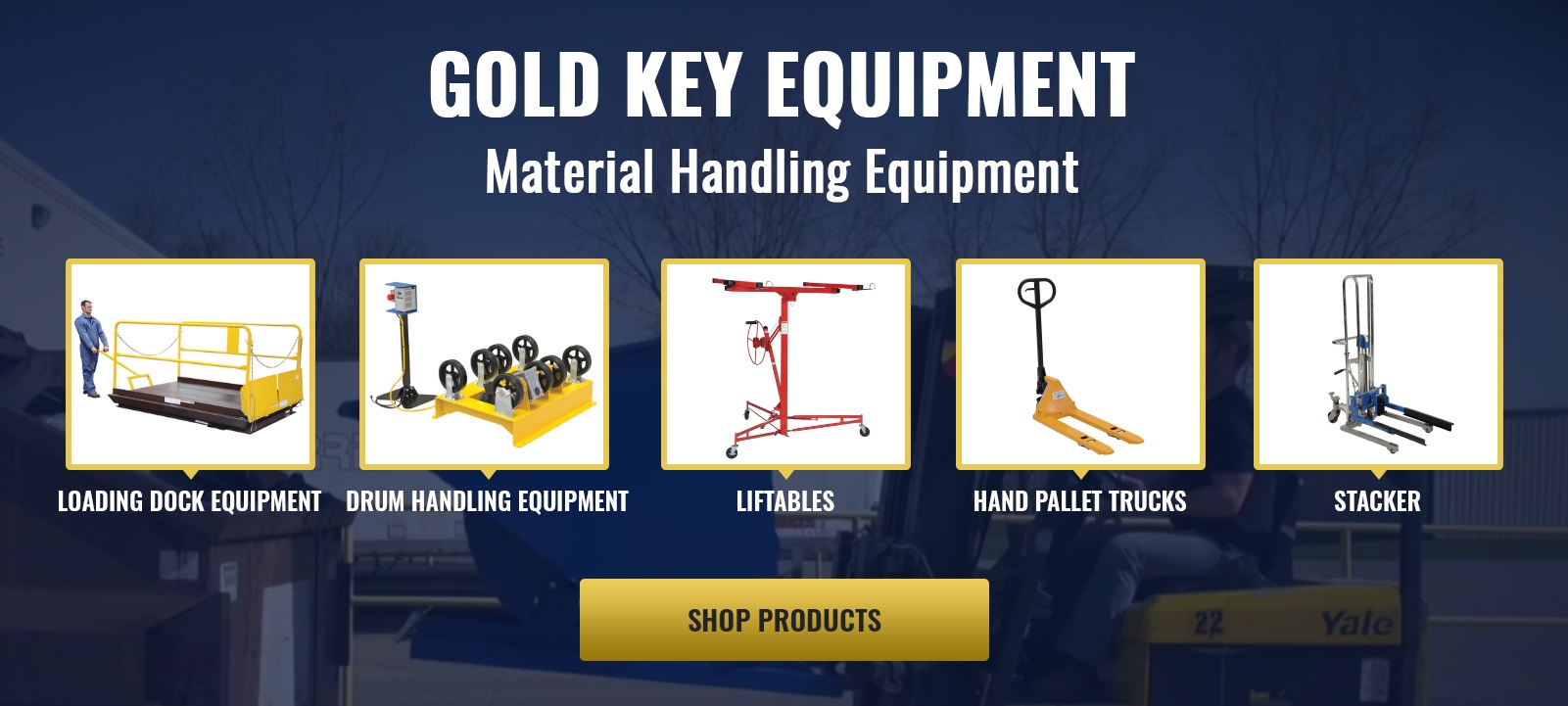
- Invest in Equipment and Technology: Utilize equipment and technology to automate and streamline material handling tasks. Consider investing in tools such as hand trucks, pallet jacks, and carts to facilitate the movement of merchandise within the store. Leverage barcode scanners, point-of-sale (POS) systems, and mobile devices to track inventory, process transactions, and manage orders more efficiently.
- Train Staff Effectively: Provide comprehensive training to store staff on proper material handling techniques, safety procedures, and the use of equipment and technology. Empower employees to identify opportunities for process improvement and implement best practices to enhance efficiency and productivity.
- Monitor Performance and Adapt: Regularly monitor key performance indicators (KPIs) such as inventory turnover, order fulfillment rates, and customer satisfaction levels to gauge the effectiveness of material handling practices. Identify areas for improvement and adapt processes as needed to address emerging challenges and capitalize on opportunities for optimization.
By implementing these best practices, small retail shops can streamline operations, improve productivity, and create a more efficient and profitable business environment. With careful planning, organization, and investment in the right tools and technology, small retailers can enhance their competitive edge and meet the evolving needs of their customers effectively.

Galaxy Diamond Plaza price list - Get small cost of Galaxy Diamond Plaza latest price list, new launch biggest office space, retail shops with easy payment plan.