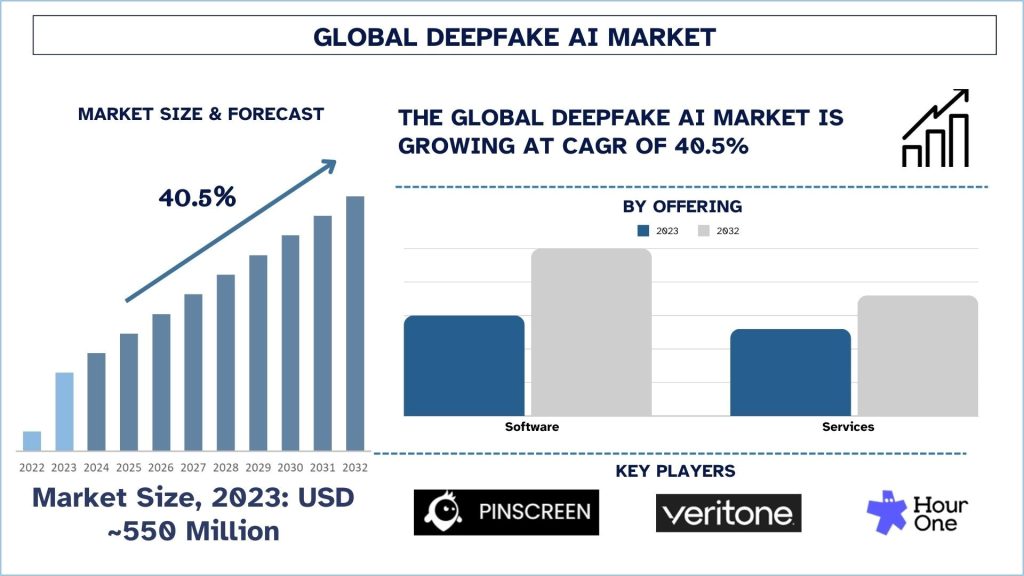
A deepfake is a type of synthetic media that is created using artificial intelligence (AI) and machine learning (ML), particularly deep learning algorithms. The term "deepfake" is a combination of the words "deep learning" and "fake". Deepfakes involve manipulating or creating content such as images, videos or audio recordings to appear real, and often involve manipulating a person's appearance or voice.
Key characteristics of deepfakes
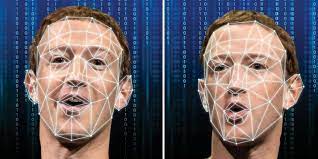
Substitution of persons. One common use of deepfakes is face swapping, where one person's face is digitally replaced with another's face in a video or image. Deep learning algorithms analyze and map facial features to provide realistic and smooth face swaps.
Voice synthesis. Deepfake technology is also used to synthesize realistic human voices. By learning from audio samples, a deep learning model can imitate the voice of a specific person, allowing it to create fake audio recordings.
Realistic animation. Deepfakes can create realistic animations of facial expressions and body movements. This can be used to create realistic avatars or manipulate existing video content to convey different emotions or actions.
Convert text to speech. Deepfake techniques are used to convert text into realistic-sounding human speech. This can be used to create fake voice recordings that sound convincing.
Impersonating another person. Deepfakes can be used to create content that falsely portrays people as saying or doing things they have never done. This has raised concerns about the potential for malicious use, including misinformation, identity theft or reputational damage.
Entertainment and satire. "While there are potential risks and ethical concerns, deepfake technology is also used for entertainment purposes, such as creating fictional scenes of popular characters or including celebrities in unexpected contexts. Some deepfakes are created for comedic or satirical purposes." - says Samuel Stefenson the founder of Deep Nudes
Detection problems. As deepfake technology develops, it becomes increasingly difficult to distinguish real content from manipulated content. Researchers and technologists are working to develop tools to detect deepfakes, but it remains a game of cat and mouse with both sides evolving techniques.
The widespread availability of deepfake tools has raised concerns about the potential misuse of the technology for malicious purposes, such as spreading misinformation, creating fraudulent content, or conducting social engineering attacks. As a result, there is growing interest in developing strategies and technologies to detect and mitigate the impact of deepfakes on individuals and society.