


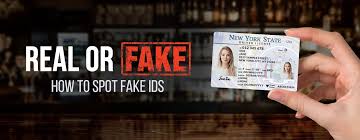
In an age where technology continues to advance, spotting a fake ID has become increasingly challenging. With sophisticated printing techniques and access to high-quality materials, creating convincing fake identification has become a lucrative business for some. Whether it's underage individuals attempting to buy alcohol or gain entry into bars, or more sinister activities like identity theft, the prevalence of fake IDs poses significant challenges for businesses and authorities alike.
Read More: Best Fake ID Websites in 2024 Updated
But fear not; there are still several telltale signs that can help you identify a fake ID if you know what to look for. Here are some key indicators that can help you spot a fraudulent identification document:
Inconsistent Information: One of the most common red flags is inconsistencies in the information presented on the ID. Check for discrepancies in the birth date, address, or even the physical description of the individual. Forged IDs often contain inaccurate or mismatched details.
Poor Quality Printing: While counterfeiters have become increasingly skilled at replicating official designs, many fake IDs still exhibit signs of poor quality printing. Look for blurred text, fuzzy images, or irregular fonts, especially around the edges of the ID card.
Lack of Security Features: Most official IDs incorporate security features to prevent counterfeiting, such as holographic overlays, UV images, or microprinting. Inspect the ID under ultraviolet light or tilt it to observe any holographic elements. If these features are missing or appear to be poorly executed, it could be a fake.
Unusual Materials or Texture: Authentic IDs are typically made from durable materials with a specific texture. If the ID feels unusually flimsy or has a smooth surface that doesn't match the texture of genuine IDs, it could be a fake.
Inaccurate State Seals or Logos: Pay close attention to the state seals, logos, and other official markings on the ID. Counterfeiters often struggle to replicate these details accurately, resulting in discrepancies in size, color, or design.
Suspicious Behavior: Sometimes, the behavior of the individual presenting the ID can raise suspicions. Watch for signs of nervousness, hesitation, or attempts to distract you during the ID check process. Genuine individuals are more likely to remain calm and cooperative.
Verify with Technology: Many businesses now use advanced ID scanning technology to verify the authenticity of identification documents. Invest in reliable ID scanners that can quickly and accurately detect fake IDs by cross-referencing them with databases of genuine IDs.
Trust Your Instincts: If something doesn't feel right about the ID or the individual presenting it, trust your instincts and proceed with caution. It's better to refuse service or contact the authorities if you suspect foul play.
In conclusion, while the production of fake IDs continues to pose challenges, there are still several effective methods for spotting fraudulent identification documents. By staying vigilant and familiarizing yourself with the telltale signs of fake IDs, you can protect your business and prevent potential illegal activities. Remember, the consequences of accepting fake IDs can be severe, so it's always better to err on the side of caution.




As a professional Druzy Jewelry manufacture, we are happy to show you what titanium drusy is, and how to spot fake titanium druzy apart.
Druzies are created by a natural process that forms tiny crystals on a matrix surface.
Click here to visit to know more about us!