


The Rich History and Origins of Java Coffee
Java coffee is a type of coffee that has a rich history and fascinating origins. This unique and flavorful coffee has captivated the taste buds of coffee enthusiasts around the world. In this article, we will explore the origins of Java coffee, the unique flavors it offers, sustainable coffee farming practices, and the art of coffee roasting techniques. Whether you are an avid coffee lover or simply curious about the world of coffee, join us on this journey as we discover the secrets behind Java coffee.
Unique Coffee Flavors
Java coffee is known for its distinct flavors and unique profiles. It offers a wide range of taste sensations that cater to various preferences. The rich volcanic soil of the Java region contributes to the coffee's flavor complexity. Coffee beans grown in this region have a flavor profile characterized by a well-rounded body, low acidity, and chocolatey undertones. The diverse microclimates in Java also result in a variety of flavor notes, ranging from fruity and floral to earthy and nutty.
One of the most sought-after Java coffee flavors is the Indonesian Mandheling coffee. It is characterized by its earthy and herbal notes with a hint of sweetness. This coffee variety is known for its heavy body and low acidity, making it a favorite choice for those who prefer a bold and intense coffee experience.
For coffee connoisseurs who enjoy unique flavor profiles, the Javanese Arabica coffee is a must-try. Grown in the highlands of Java, this coffee offers vibrant acidity, citrusy notes, and a smooth, clean finish. Its complex flavor profile makes it a versatile choice for both espresso-based drinks and pour-over methods.
Java Coffee Beans
Java coffee beans have a long history dating back to the 17th century when coffee cultivation began on the island of Java in Indonesia. Dutch colonialists introduced coffee plants to Java, and the island quickly became one of the major coffee-producing regions in the world. Today, Java is still renowned for its high-quality coffee beans.
The most common Java coffee beans are Arabica and Robusta. Arabica beans, known for their superior flavor and delicate acidity, are grown in the highlands of Java. The cool and misty climate in these regions contributes to the beans' slow maturation and enhances their flavors. Robusta beans, on the other hand, are known for their rich and bold flavor. They are commonly used in blends to add depth and body to the coffee.
One interesting fact about Java coffee beans is their sizing system. Java coffee beans are graded based on their physical size, with larger beans considered superior in quality. The grading system ensures that only the best beans are selected for export, resulting in a superior cup of coffee.
Sustainable Coffee Farming
Java coffee farmers are committed to sustainable coffee farming practices. They understand the importance of protecting the environment and preserving the quality of their coffee for future generations. Many Java coffee farms employ shade-grown techniques, where coffee plants are grown under the shade of taller trees. This not only provides a more favorable microclimate for the coffee plants but also helps conserve biodiversity.
Furthermore, Java coffee farmers have embraced organic farming methods. They prioritize the use of natural fertilizers and avoid harmful pesticides and herbicides. This ensures that the coffee beans produced are free from chemical residues and have a more authentic flavor. Additionally, sustainable farming practices also help maintain healthy soil and promote the well-being of the local ecosystem.
By supporting Java coffee, you are not only indulging in a delicious cup of coffee but also contributing to sustainable farming practices. Your choice can make a positive impact on the environment and the livelihoods of coffee farmers.
Coffee Roasting Techniques
The art of coffee roasting plays a crucial role in unlocking the flavors hidden within Java coffee beans. Skilled coffee roasters carefully monitor the roasting process to enhance the unique characteristics of the beans.
There are various coffee roasting techniques employed by Java coffee artisans. One popular method is the medium roasting, which brings out a balanced flavor profile, highlighting the coffee's sweetness, acidity, and body. This roasting technique is often used to showcase the inherent flavors of the beans without overpowering them with charred or bitter notes.
For those who prefer a bolder and more robust flavor, dark roasting is the way to go. Dark roasted Java coffee beans have a rich and smoky flavor profile with low acidity. The longer roasting time leads to the development of caramelized sugars, resulting in a fuller body and intense flavor.
Light roasting, on the other hand, is favored by those who enjoy the subtle nuances and delicate flavors of Java coffee. Light roasted beans retain more of their original characteristics, offering bright acidity, floral aromas, and intricate flavor notes.
Coffee roasting is a skill that takes years to master. The expertise of Java coffee roasters is what ensures that each cup of Java coffee you enjoy is a delightful sensory experience.
In Conclusion
The rich history and origins of Java coffee have contributed to its unique flavors and profiles. From the highlands of Java to the skilled hands of coffee farmers and roasters, every step of the journey plays a crucial role in creating the perfect cup of Java coffee. Whether you prefer the bold and earthy notes of Indonesian Mandheling or the vibrant acidity of Javanese Arabica, Java coffee offers something for every coffee lover.
By exploring the rich history and origins of Java coffee, we gain a deeper appreciation for the craftsmanship and dedication behind every sip. So, sit back, relax, and savor the flavors as you embark on a journey through the world of Java coffee.
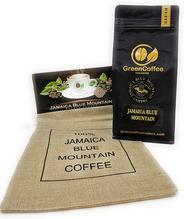
Arabica- Fancy a cup of great coffee?
Atlantica Coffee provides high-quality arabica coffee in green beans that sets the standard high for quality coffee.
Explore our fine collection of Atlantica fine cups, good cups, Rio minas, and coffee beans from Brazil and pick your choice.