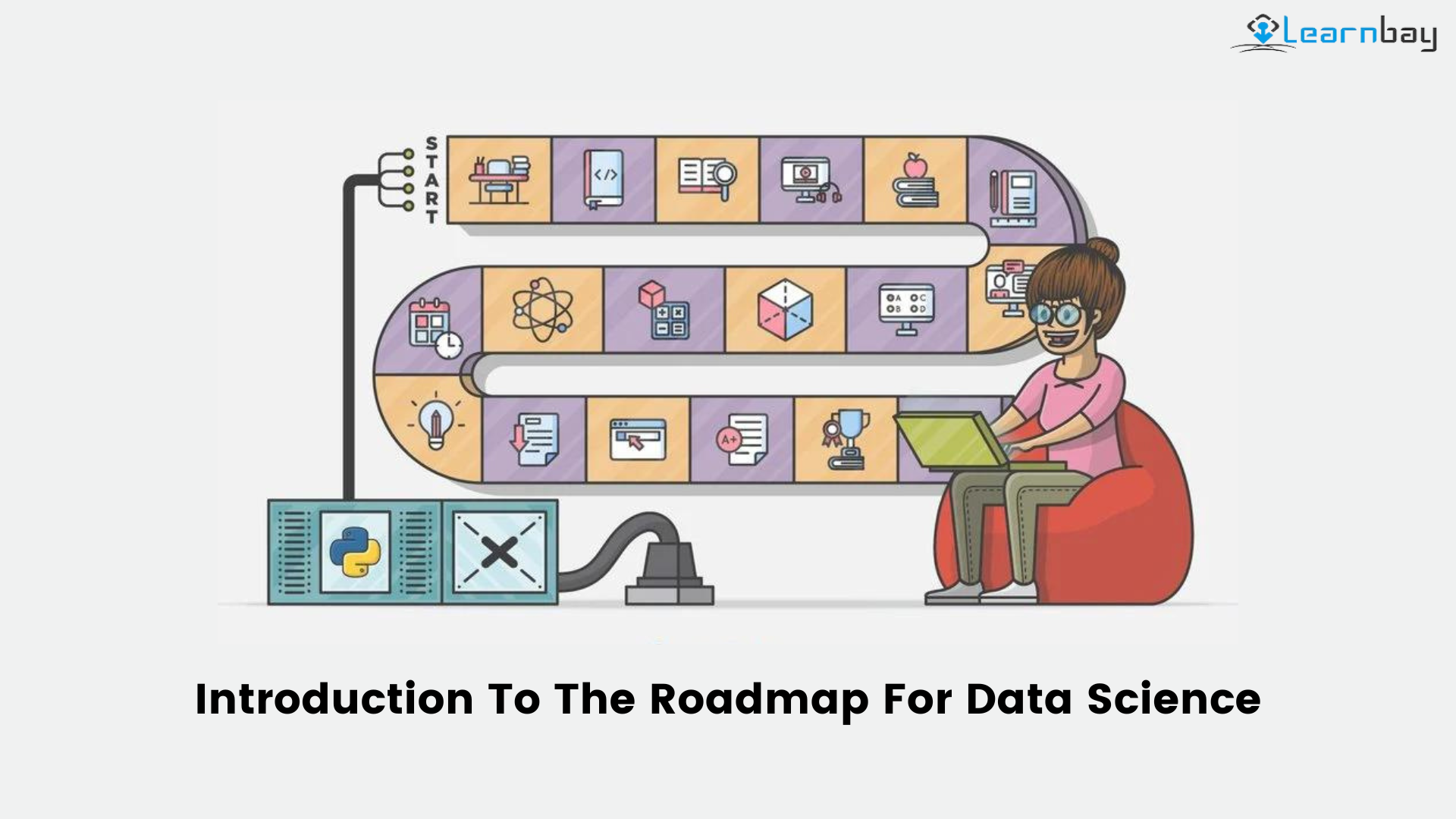


Welcome to the world of data science, where the potential for innovation and insight is virtually limitless. Whether you're just starting out or looking to deepen your understanding, this guide will serve as your comprehensive data science roadmap. At Brainalyst, we believe that a solid foundation and a clear path forward are crucial in mastering data science. Let’s dive into what makes data science such a dynamic field and how you can start your journey today.
What is Data Science?
Data science is an interdisciplinary field that uses scientific methods, processes, algorithms, and systems to extract knowledge and insights from structured and unstructured data. It combines elements of statistics, mathematics, programming, and problem-solving skills in deciphering the solutions to complex data problems. Data science is pivotal in making decisions based on data analysis and interpretation.
Your Data Science Roadmap: Key Steps to Mastering Data Science
1. Understand the Basics
Begin your journey by understanding the basic concepts of data science. Learn about statistical analysis, types of data, and the fundamental principles of data manipulation and data management. Grasping these basics will provide you with the tools necessary for more advanced topics.
2. Learn Programming Languages
The backbone of data science is proficiency in programming languages. Python and R are the most commonly used languages in data science due to their simplicity and the extensive library support for data analysis. Start with Python, which is not only powerful but also beginner-friendly, making it a preferred choice for many aspiring data scientists.
3. Engage with Machine Learning
Machine learning is a crucial component of the data science roadmap. Begin with simple algorithms like linear regression and gradually move towards more complex models like decision trees, clustering, and neural networks. Practical experience through projects or internships is invaluable at this stage.
4. Data Manipulation and Analysis
Data manipulation involves cleaning and transforming raw data into a format that can be analyzed. Learn to use data manipulation tools and techniques such as data wrangling and data transformation to handle large datasets effectively.
5. Data Visualization
Visualization is a powerful tool for understanding complex data insights. Learn to use visualization tools like Tableau, Matplotlib, or Seaborn to create impactful representations of your data. Good visualization can change how you interpret data and the strategic decisions you make.
6. Advance with Specializations
Once you have a solid understanding of the basics, consider specializing in areas such as big data, artificial intelligence, or deep learning. Each specialization can lead to different career paths in data science, from data analyst to machine learning engineer.
7. Continuous Learning and Practical Application
A good for read: data analytics lifecycle
The field of data science is continually evolving. Stay updated with the latest tools, techniques, and algorithms by engaging in continuous learning. Practical application of your skills through real-world projects or competitions like Kaggle can significantly enhance your knowledge and expertise.
Conclusion
Data science is an exciting and continually evolving field that offers numerous opportunities for those willing to delve into its depths. By following this data science roadmap, provided by Brainalyst, you can build a strong foundation and progressively advance your skills in this dynamic discipline.
Embark on your data science journey today and unlock the potential to transform data into actionable insights that can drive innovation and success.



SkyInfotech, an institute that has been contending for best Data science training in Gurgaon tag for past several years is offering comprehensive Data science training for very reasonable fees.
We expect our algorithms to think like humans and understand the complexities into conversations and make decisions based on that.
So our algorithm should be efficient enough to classify wrong side driving cars.
Data Science is mainly needed for:
The different phases involved with Data Science are:
Importing data from various sources to our platforms