


Remote patient monitoring services have become instrumental in supporting chronic care companies in managing patients with long-term health conditions. By leveraging RPM services, these companies can monitor patients' health remotely, provide timely interventions, and enhance overall patient care. In this article, we explore how RPM services support chronic condition management and improve patient health outcomes.
Understanding Remote Patient Monitoring Services
Remote patient monitoring services involve the use of technology to monitor patients' health remotely. These services typically include the provision of wearable devices, telehealth platforms, and data analytics tools that enable healthcare providers to collect and analyze patient health data outside of traditional clinical settings. RPM services facilitate continuous monitoring, early detection of health issues, and proactive management of chronic conditions.
Advantages of RPM Services for Chronic Condition Management
1. Continuous Monitoring
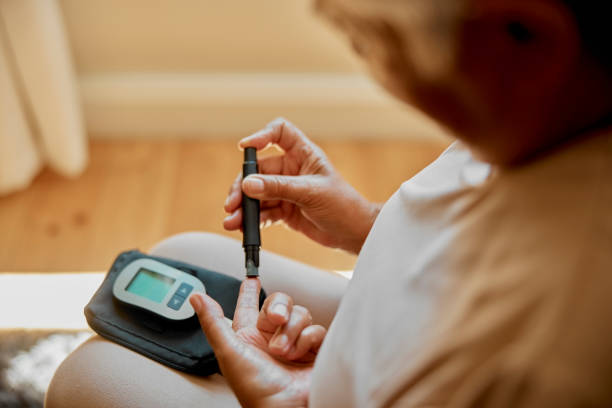
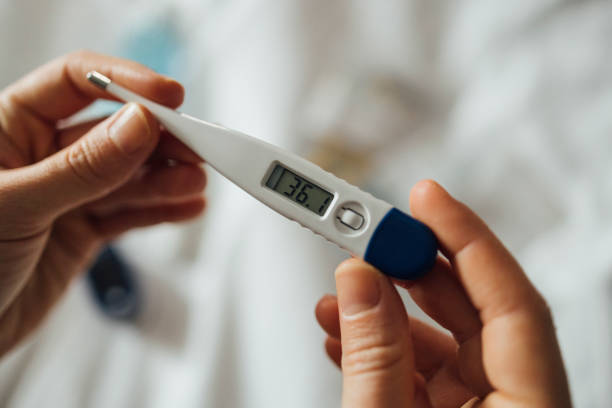
RPM services enable continuous monitoring of patients' health status, allowing healthcare providers to track vital signs, symptoms, and medication adherence over time. This continuous monitoring provides valuable insights into patients' health trends and allows for early detection of changes that may indicate worsening of chronic conditions or potential complications.
2. Timely Interventions
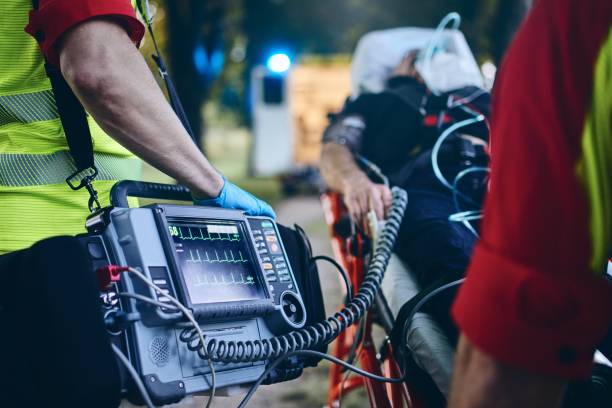
With RPM services, healthcare providers can intervene promptly when changes in patients' health status are detected. By monitoring patients remotely, providers can identify issues early and initiate timely interventions, such as medication adjustments, lifestyle modifications, or referrals to specialists. This proactive approach to care helps prevent exacerbation of chronic conditions and reduces the need for emergency medical interventions.
3. Personalized Care Plans
RPM services support the development of personalized care plans tailored to each patient's unique needs and preferences. By analyzing data collected through remote monitoring, healthcare providers can identify patterns, trends, and risk factors specific to each patient, allowing for targeted interventions and adjustments to treatment plans. This personalized approach to care enhances the effectiveness of chronic condition management and improves patient outcomes.
4. Patient Engagement
RPM services promote patient engagement by empowering patients to take an active role in managing their health. Through remote monitoring, patients can track their own health data, receive feedback on their progress, and communicate with their healthcare providers as needed. This increased engagement fosters a collaborative relationship between patients and providers, leading to better adherence to treatment plans and improved health outcomes.
Case Study: CareConnect RPM Services
CareConnect RPM Services is a leading provider of remote patient monitoring solutions known for its comprehensive services and patient-centered approach. One of their success stories involves the implementation of RPM services for patients with hypertension.
RPM Services for Hypertension Management
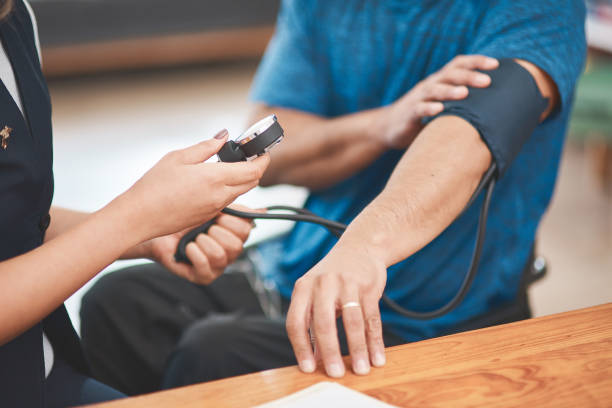
CareConnect RPM Services partnered with healthcare providers to implement RPM services for patients diagnosed with hypertension. Patients were provided with wearable devices to monitor their blood pressure, heart rate, and activity levels. The data collected from these devices were transmitted to healthcare providers in real-time, allowing for proactive management of hypertension.
Positive Outcomes and Patient Satisfaction
The RPM services implemented by CareConnect RPM Services resulted in positive outcomes for patients with hypertension. Patients reported feeling more empowered and engaged in managing their condition, leading to better adherence to treatment plans and lifestyle recommendations. Healthcare providers observed improvements in blood pressure control, reduced risk of complications, and increased patient satisfaction, highlighting the effectiveness of RPM services in chronic condition management.
Conclusion
Remote patient monitoring services play a crucial role in supporting chronic care companies in managing patients with long-term health conditions. By leveraging RPM services, these companies can facilitate continuous monitoring, provide timely interventions, and develop personalized care plans tailored to each patient's needs. Companies like CareConnect RPM Services are leading the way in implementing innovative solutions that leverage RPM services to improve patient health outcomes and enhance the quality of care. As the prevalence of chronic conditions continues to rise, the role of RPM services in chronic condition management will become increasingly important in delivering effective and patient-centered care.