

In today's digital age, ensuring accessibility for websites is not just a moral imperative but also a legal requirement. With millions of people worldwide living with disabilities, it's essential for websites to be inclusive and accessible to all users. One effective tool for achieving website accessibility is the WCAG compliance widget.
Accessibility for websites encompasses a range of features and practices aimed at making online content usable by individuals with disabilities. This includes ensuring that websites are navigable by screen readers, providing alternatives for non-text content such as images, and ensuring that users can navigate and interact with websites using only a keyboard. However, achieving full accessibility can be challenging for website owners, especially those who lack technical expertise or resources.
This is where WCAG compliance widgets come into play. WCAG, or the Web Content Accessibility Guidelines, is a set of standards developed by the World Wide Web Consortium (W3C) to ensure that web content is accessible to people with disabilities. WCAG compliance widgets are tools that website owners can integrate into their sites to help them achieve and maintain compliance with these guidelines.
One of the key features of WCAG compliance widgets is their ability to provide users with accessibility options and tools directly on the website itself. These widgets typically offer features such as text resizing, color contrast adjustments, and keyboard navigation options, allowing users to customize their browsing experience to suit their needs. By integrating these widgets into their sites, website owners can empower users with disabilities to access and interact with their content more easily.
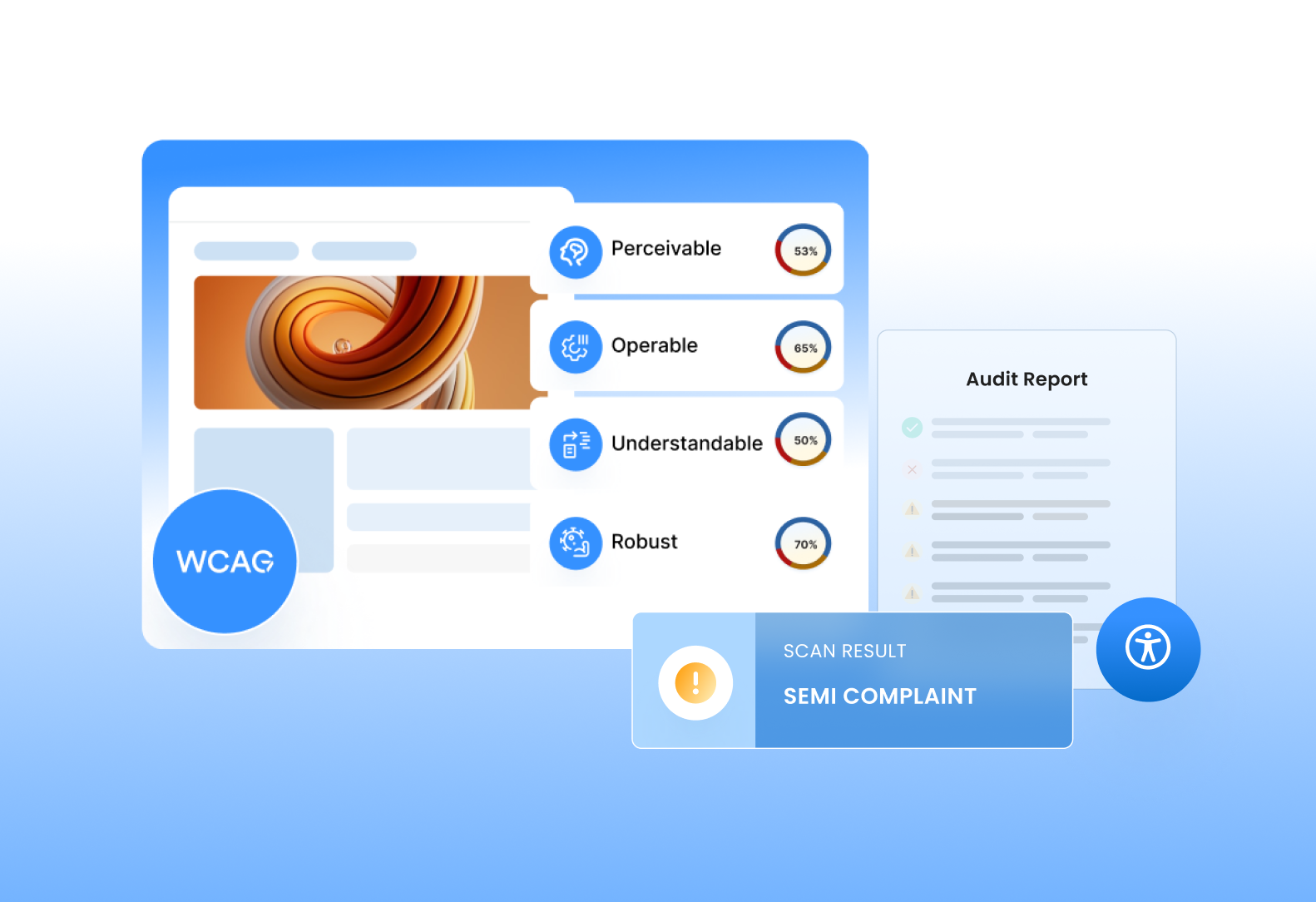
Moreover, WCAG compliance widgets help website owners stay informed about accessibility issues and make necessary improvements to their sites. Many of these widgets include features such as automated accessibility scans and reports, which identify potential accessibility barriers and suggest solutions for remediation. This proactive approach to accessibility not only helps website owners meet legal requirements but also fosters a culture of inclusivity and accessibility within their organizations.
In addition to improving accessibility for users with disabilities, WCAG compliance widgets can also benefit website owners in other ways. For example, by making their sites more accessible, website owners can improve user experience for all users, leading to increased engagement, satisfaction, and loyalty. Additionally, by demonstrating a commitment to accessibility, website owners can enhance their brand reputation and attract a wider audience of users who prioritize inclusive design.
In conclusion, WCAG compliance widgets play a crucial role in enhancing website accessibility and ensuring that online content is accessible to all users. By providing accessibility options and tools directly on the website itself, these widgets empower users with disabilities to access and interact with online content more easily. Moreover, by helping website owners achieve and maintain compliance with accessibility standards, WCAG compliance widgets contribute to a more inclusive and accessible online environment for everyone.
Lewis Boucher is an author of this article.To know more about wcag compliant website designer and wcag compliant website agency please stay with our website:webability.io