The healthcare industry is rapidly evolving, with technology playing a pivotal role in transforming patient care. Remote patient monitoring solutions are at the forefront of this revolution, providing continuous care and improving patient satisfaction. This blog explores how remote monitoring services enhance patient satisfaction, focusing on the benefits and key strategies for successful implementation.
The Importance of Patient Satisfaction
Patient satisfaction is a critical component of healthcare quality. Satisfied patients are more likely to adhere to treatment plans, engage in their care, and report better overall health outcomes. In the competitive healthcare market, high patient satisfaction also contributes to a positive reputation and can attract new patients.
How Remote Monitoring Services Enhance Patient Satisfaction
1. Continuous and Proactive Care
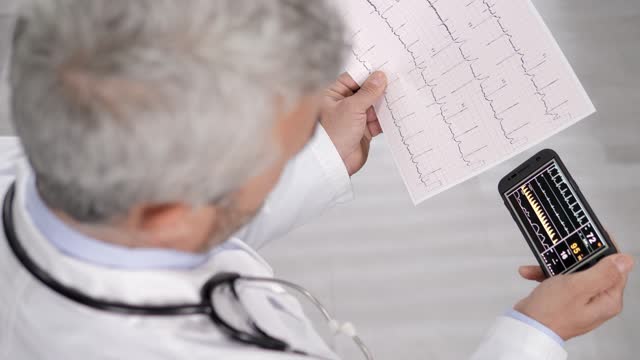
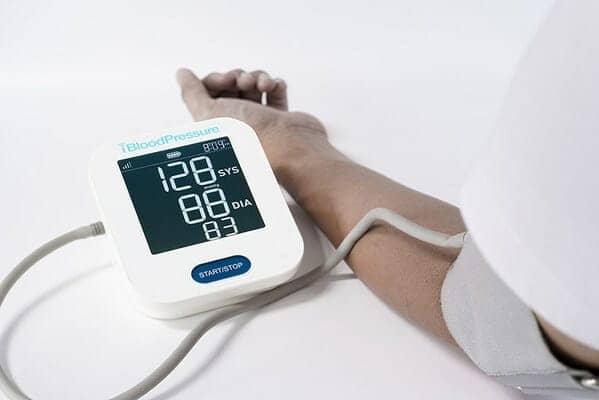
Remote patient monitoring solutions enable continuous monitoring of patients’ vital signs and health metrics. This continuous care allows healthcare providers to detect potential issues early and intervene proactively, preventing complications and hospital readmissions. Patients appreciate the proactive approach, knowing their health is being monitored consistently.
2. Improved Communication
Effective communication is key to patient satisfaction. Remote monitoring services facilitate better communication between patients and healthcare providers through digital platforms. Patients can easily share their health data, ask questions, and receive timely responses from their care team. This seamless communication fosters trust and satisfaction.
3. Personalized Care Plans
Remote monitoring services provide healthcare providers with detailed insights into patients’ health conditions. This data allows for the creation of personalized care plans tailored to individual needs. Personalized care plans are more effective and demonstrate to patients that their unique health needs are being addressed, enhancing their satisfaction.
4. Convenience and Accessibility
One of the significant advantages of remote monitoring services is the convenience they offer. Patients can receive care from the comfort of their homes, eliminating the need for frequent hospital visits. This convenience is particularly beneficial for patients with chronic conditions or mobility issues, significantly enhancing their satisfaction with the care they receive.
5. Engagement and Empowerment
Remote monitoring services empower patients by involving them in their own care. With access to their health data and the ability to monitor their progress, patients become more engaged and proactive in managing their health. Increased patient engagement leads to better health outcomes and higher satisfaction levels.
Implementing Remote Monitoring Services for Enhanced Satisfaction
To maximize the benefits of remote monitoring services, healthcare providers should consider the following strategies:
Educate Patients: Provide comprehensive education on how to use remote monitoring devices and the benefits they offer. Ensure patients are comfortable and confident in using the technology.
Offer Continuous Support: Establish a support system to assist patients with technical issues and questions about their health data. Continuous support is crucial for maintaining patient satisfaction.
Integrate Seamlessly: Ensure that remote monitoring systems integrate seamlessly with existing healthcare systems and workflows. This integration facilitates better data management and communication.
Monitor and Evaluate: Regularly monitor the effectiveness of remote monitoring services and gather patient feedback to make necessary improvements. Continuous evaluation helps in maintaining high satisfaction levels.
Conclusion
Remote patient monitoring solutions are transforming healthcare by enhancing patient satisfaction through continuous care, improved communication, personalized care plans, convenience, and patient empowerment. For healthcare providers looking to implement these services, Global Touch LLC offers innovative solutions tailored to meet the needs of both patients and providers.
By leveraging remote monitoring services, healthcare providers can ensure higher patient satisfaction, better health outcomes, and a more efficient healthcare delivery system. As technology continues to advance, the potential for remote monitoring to enhance patient care and satisfaction will only grow, making it an indispensable tool in modern healthcare.