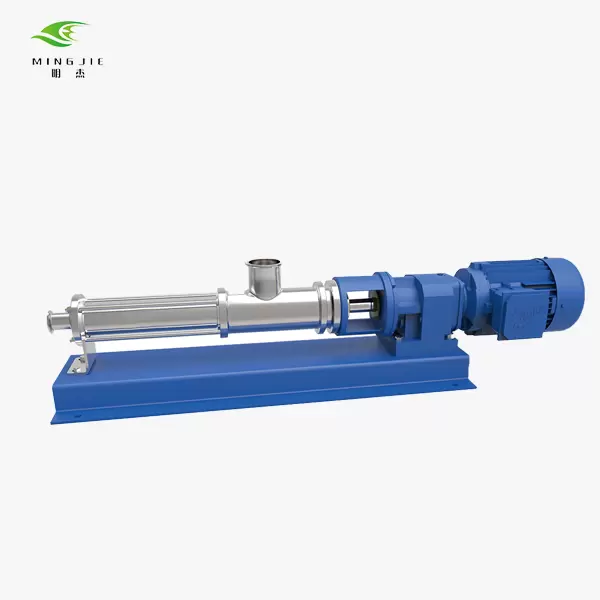
The Net Positive Suction Head (NPSH) requirement, often abbreviated as NPSHR, is a critical design and operating parameter for progressive cavity pumps. This article will discuss why NPSH is important, how to calculate NPSH, and factors that influence a pump's NPSH requirement.
What is NPSH?
NPSH refers to the amount of pressure added to the suction side of the pump, above atmospheric pressure, that is needed to overcome hydraulic and mechanical losses so the pump can operate cavitation-free. If the NPSH available (NPSHA) is less than the pump's NPSH requirement (NPSHR), cavitation will occur.
Cavitation is the formation and implosion of vapor bubbles in the pump's liquid, which can cause performance issues, noise, vibrations, and even damage to components. To avoid cavitation, the NPSHA must exceed the NPSHR under all operating conditions.
Factors Affecting NPSHR
The main factors that determine a progressive cavity pump's NPSH requirement are its performance curve, viscosity range, and design. Higher flows, pressures, and viscosities generally increase NPSHR.
Other influential factors include temperature (cooler liquids have higher NPSHR), elevation/suction lift, intake piping configuration, and the characteristics of the fluid being pumped such as vapor pressure.

Calculating NPSHR
The NPSHR of a pump at a given flow rate is specified on its performance curve. The total NPSHA must be calculated based on the specific installation:
NPSHA = P + S - Hf - hvp
Where:
P = Atmospheric pressure + any gauge pressure
S = Suction pressure exerted by a liquid column or tank
Hf = Friction losses in the suction piping
hvp = Vapor pressure of the liquid at the pumping temperature
Choosing the Right Pump for Your Application
When sizing a progressive cavity pump, it's important to evaluate the application's NPSHA and select a model that can provide the required flow rate with a safety margin above its NPSHR. An accurate progressive cavity pump selection ensures reliable, cavitation-free operation.
Progressive cavity pumps offer robust suction performance over a wide viscosity range and are suitable for many low flow applications requiring suction lift or high pressures.
With a proper understanding of NPSH principles and pump data, engineers can ensure reliable progressive cavity pump operation to maximize efficiency, performance and equipment lifespan.



These pumps are of the following types: Progressive Cavity Pump, Twin Screw Pump, Gear Pump, Macerator and AODD.Roto Pumps is the market leader for the past 45 years.
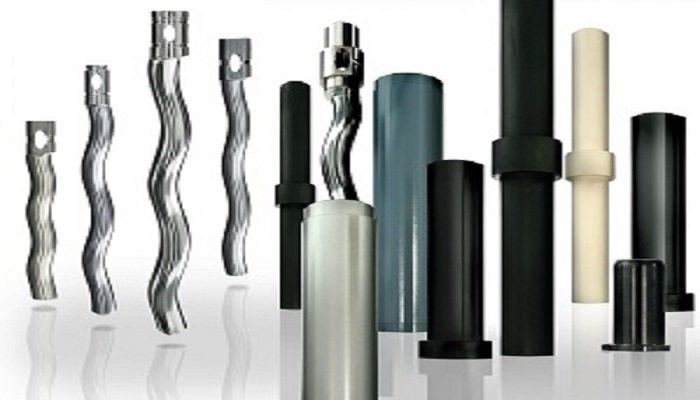
These pumps operate with the help of a single external helix metallic rotor and a stator that is a double internal helix elastomer.
When the rotor rotates inside the stator, cavities are formed.
These cavities move the liquid from the suction end to the discharge end of the pump.
The Progressive Cavity Pump can perform in both directions and handle highly viscous liquids with pseudo-plastic characteristics.
Because of their single rotating element cavities are formed which ensure metered and uniform flow of liquids.