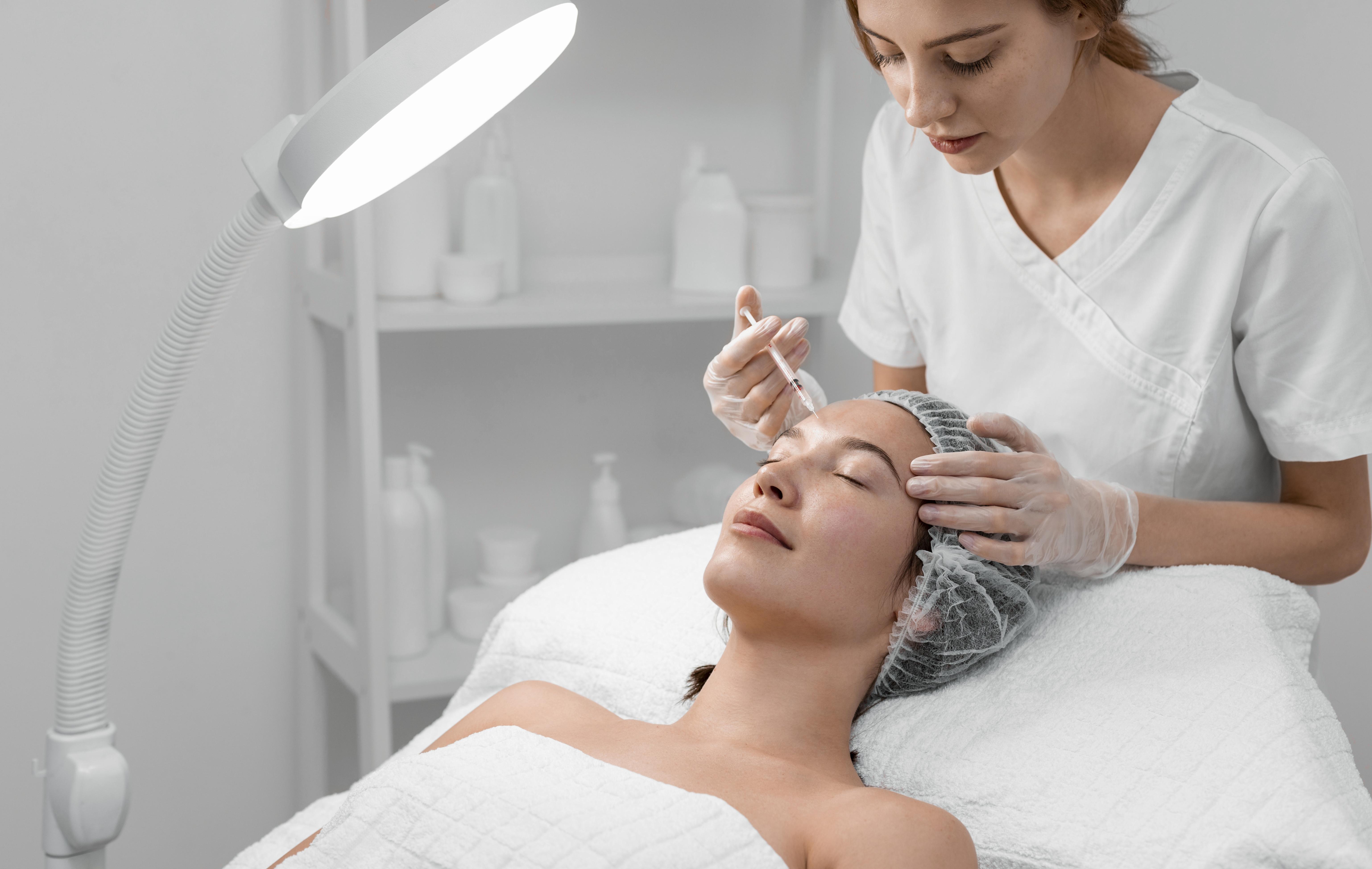
The Role of Innovative Technologies in Revolutionizing Spa and Skin Treatments
Spa and skin treatments have come a long way in recent years, thanks to the rapid advancements in technology. Innovative technologies have revolutionized the way we approach skincare, providing us with more effective and efficient solutions. From rejuvenating facials to body contouring, these cutting-edge tools and techniques have transformed the spa industry, making it easier than ever to achieve beautiful and healthy skin. In this article, we will explore some of the most groundbreaking technologies that are changing the face of spa and skin treatments.
1. Laser Treatments
One of the most significant advancements in spa and skincare technology is the development of laser treatments. Laser therapy has gained immense popularity due to its ability to address a wide range of skin concerns while minimizing discomfort and downtime. Whether it's removing unwanted hair, reducing the appearance of scars and wrinkles, or treating pigmentation issues, lasers have become a go-to solution for many individuals seeking effective skin treatments.
Lasers work by emitting light energy that is absorbed by specific targets in the skin, such as hair follicles or pigment-producing cells. The absorbed energy then destroys or disrupts the targeted structures, leading to desired results. Laser treatments can be tailored to each individual's needs, making them highly versatile and suitable for various skin types and concerns.
2. Cryotherapy
Another innovative technology making waves in the spa industry is cryotherapy. Cryotherapy involves exposing the body or specific areas to extremely cold temperatures for therapeutic purposes. This treatment has gained popularity among athletes and individuals seeking recovery and rejuvenation.
During cryotherapy sessions, the body is exposed to temperatures as low as -200°F (-130°C) for a short period. The intense cold triggers a variety of physiological responses, including vasoconstriction and the release of endorphins. These responses can promote healing, reduce inflammation, and increase circulation, resulting in improved skin health and overall well-being.
3. Radiofrequency Therapy
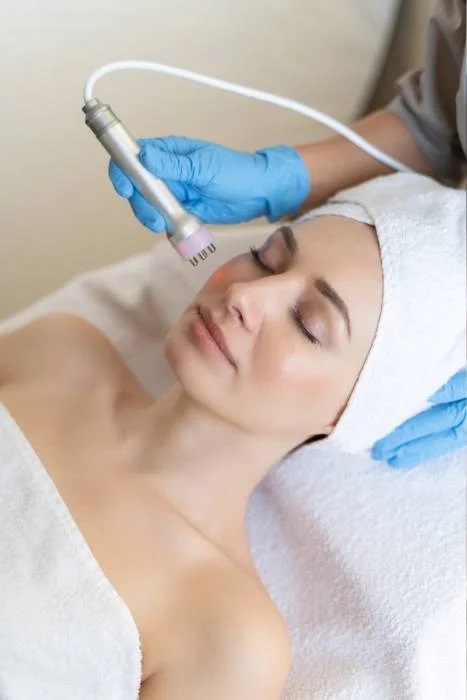
Radiofrequency (RF) therapy is a non-invasive treatment that uses radiofrequency energy to heat the deeper layers of the skin. This innovative technology has become increasingly popular in the spa industry due to its ability to stimulate collagen production, tighten loose skin, and improve skin texture.
During an RF treatment, the radiofrequency energy penetrates the skin, causing the tissues to heat up. This controlled heating triggers collagen remodeling and contraction, leading to a firmer and more youthful appearance. RF therapy can be used on various parts of the body, including the face, neck, arms, and abdomen, making it a versatile option for skin rejuvenation.
4. Ultrasonic Skin Exfoliation
Traditional exfoliation methods often involve abrasive scrubs or chemical peels, which can sometimes cause irritation and redness. However, with the advent of ultrasonic skin exfoliation, a gentler and more effective alternative is now available.
Ultrasonic skin exfoliation works by using high-frequency vibrations to remove dead skin cells and impurities from the skin's surface. This process not only eliminates dullness and roughness but also enhances the absorption of skincare products. By incorporating ultrasonic exfoliation into spa treatments, estheticians can provide their clients with a deep cleanse and a radiant complexion without causing any harm or discomfort.
5. LED Light Therapy
LED (Light Emitting Diode) light therapy is a non-invasive and painless treatment that harnesses the power of different wavelengths of light to target specific skin concerns. This technology has gained popularity in beauty clinics and spas due to its versatility and effectiveness.
LED light therapy can address a wide range of issues, including acne, hyperpigmentation, signs of aging, and inflammation. Different colors of light have different therapeutic effects on the skin. For example, blue light can help kill acne-causing bacteria, while red light stimulates collagen production and reduces the appearance of fine lines and wrinkles. LED light therapy is gentle and suitable for all skin types, making it an inclusive solution for various individuals seeking skin rejuvenation.
6. Artificial Intelligence in Skincare
As technology continues to evolve, artificial intelligence (AI) has found its way into the world of skincare. AI-powered skincare tools and apps are now available to help individuals assess their skin conditions, recommend personalized skincare routines, and track their progress.
These intelligent tools may analyze photos of the skin, consider environmental factors, and provide real-time feedback on the efficacy of skincare products. By leveraging AI in skincare, individuals can make more informed decisions about their skincare routines and achieve optimal results.
Conclusion
The incorporation of innovative technologies has revolutionized spa and skin treatments, offering effective solutions for a wide range of skin concerns. From laser treatments and cryotherapy to radiofrequency therapy and LED light therapy, these advancements have made it easier than ever to achieve healthy, radiant skin. As technology continues to advance, we can expect even more groundbreaking developments in the field of skincare, further enhancing the spa experience and helping individuals feel confident in their skin.
Siemens washing machine service Centre in Bangalore A washing machine is a machine used to wash various types of clothes without applying any physical effort.
The washing machine is also called a clothes washer or simply the washer.
The washing machine enables you to wash your clothes automatically without having to supervise its operation.
Using the right cycle is Siemens refrigerator repair service in Bangalore very important as it protects the clothes from getting damaged.
Washing machines not only saves our time but also saves us from the physical effort of hand-washing.
Customer Helpline Support Service Point We Are Provide All Types OF Home Appliance Repair Service Center, Quality Spare Replaced 24/7, At Door Step Service Near me, Air Conditioner Service Centre, Washing Machine service, TV repair Centre, freeze repair, LED LCD Plasma Service Centre, refrigerator Service Centre, Microwave Oven repair service Centre Near me, 24/ 7 Service.