Introduction
Monolithic apps have been the backbone of many organizations for years, providing a stable and reliable foundation for their business operations. However, with the rapid advancements in technology and changing consumer demands, the need to modernize these monolithic apps has become increasingly crucial. In this blog post, we will delve into the process of modernizing monolithic apps and provide a comprehensive guide for CIOs looking to embark on this journey.
Understanding the Monolithic Architecture
Monolithic architecture is a design approach where an application is developed as a single, indivisible unit. This architecture style bundles together all application functionalities, from input handling and processing to data management and output rendering, in a single codebase. The components within a monolithic app, such as the database operations, client-side interface, and server-side application, are interwoven and deployed together, making it a cohesive but complex structure. One of the key characteristics of monolithic architecture is its straightforward development and deployment processes, thanks to the unified codebase. Initially, this simplicity aids rapid application development and troubleshooting. However, as the application grows, scaling and updating the app become more challenging due to the intertwined nature of its components.
Every change, no matter how minor, requires redeploying the entire application, increasing the risk of introducing bugs and making continuous integration difficult. The monolithic model, while effective for smaller or less complex applications, poses significant limitations for businesses aiming to scale rapidly or update frequently in response to market demands. Understanding these inherent challenges is pivotal for CIOs as they consider the pathway towards modernizing these traditional applications to meet current and future business needs.
The Business Case for Modernization
The imperative to modernize monolithic apps stems from several key business drivers that collectively foster an environment conducive to growth and innovation. Enhanced agility emerges as a primary benefit, enabling organizations to swiftly pivot in response to evolving market dynamics and consumer preferences. This agility, in turn, facilitates the faster roll-out of new features and improvements, thereby accelerating time-to-market and improving competitive stance.
Additionally, scalability and cost-efficiency stand out as significant advantages. By transitioning from monolithic to more modular architectures, businesses gain the ability to scale components independently, optimizing resource utilization and operational costs. This modular approach not only supports efficient scaling in response to demand but also simplifies maintenance and updates, reducing the overall lifecycle costs of applications.
Furthermore, modernization opens the door to integrating cutting-edge technologies and methodologies, enhancing the application's performance and user experience. The adoption of cloud-native services, for example, can dramatically improve the resilience and elasticity of applications. This strategic alignment with modern technology trends not only future-proofs the organization’s software assets but also enhances its ability to innovate and meet the rising expectations of tech-savvy consumers and users.
In essence, the business case for modernizing monolithic apps is grounded in the pursuit of agility, scalability, cost efficiency, and technological advancement. These factors collectively empower organizations to navigate the digital landscape more effectively, responding to challenges and seizing opportunities with greater speed and precision.
Strategies for Modernizing Monolithic Apps
To approach the modernization of monolithic apps, CIOs can explore a variety of strategies tailored to their unique organizational needs and goals. A common and effective strategy involves refactoring the monolithic structure into a series of microservices. This process decomposes the app into smaller, manageable units that operate independently, enhancing flexibility and enabling teams to adopt a more agile development process. Microservices architecture not only facilitates easier updates and scalability but also supports a more resilient system design.
Another critical strategy is the adoption of containerization technologies, such as Docker and Kubernetes. These tools offer a streamlined approach to packaging, deploying, and managing applications across various environments without the need for extensive reconfiguration. Containerization simplifies the deployment process and improves the consistency and efficiency of application execution.
For some organizations, a complete overhaul or rewrite of the application may be the most viable option. This strategy allows for the incorporation of modern development frameworks and programming languages from the outset, aligning the application with current and future technological standards and practices. However, it requires a significant investment in time and resources.
Leveraging automation in the modernization process is also crucial. Automating testing and deployment processes can drastically reduce the time and effort involved in the transition, minimizing human error and enhancing overall project efficiency. Engaging with Custom Application Development Services can provide the necessary expertise and support to navigate the complexities of modernization, ensuring a smooth and successful transition to a more agile and scalable architecture.
Overcoming Challenges in Modernization Projects
The journey to modernize monolithic apps is fraught with obstacles that can derail even the most well-intentioned projects. One significant hurdle is the entanglement of legacy code, which may be deeply integrated into the business's operations, making it difficult to modify or replace without disrupting existing processes. Additionally, the task of migrating data from the old system to the new can present considerable challenges, as it requires ensuring data integrity and consistency across different systems. Resistance from within the organization is another common issue, as employees and stakeholders accustomed to the old ways may be skeptical or opposed to the changes.
Addressing these challenges demands a proactive approach, starting with a comprehensive evaluation of the current system to identify and understand dependencies and potential problem areas. It's also crucial to develop a clear communication plan that articulates the benefits of modernization to all stakeholders, promoting buy-in and reducing resistance. By carefully managing the transition, including offering training and support to ease the adoption of new technologies and practices, organizations can navigate these hurdles effectively and move closer to realizing the benefits of a modern, agile application infrastructure.
Essential Technologies and Practices for Modernization
Navigating the intricacies of modernizing monolithic apps requires embracing certain pivotal technologies and methodologies that can significantly smooth the transition. A core technology that plays a crucial role in this process is containerization, facilitated by platforms such as Docker and Kubernetes. These technologies aid in encapsulating applications in containers, ensuring consistent performance across different computing environments and simplifying the deployment process. Alongside containerization, the microservices architecture stands out as a fundamental approach, breaking down monolithic structures into smaller, independently scalable services. This not only enhances operational flexibility but also improves resilience and facilitates easier updates.
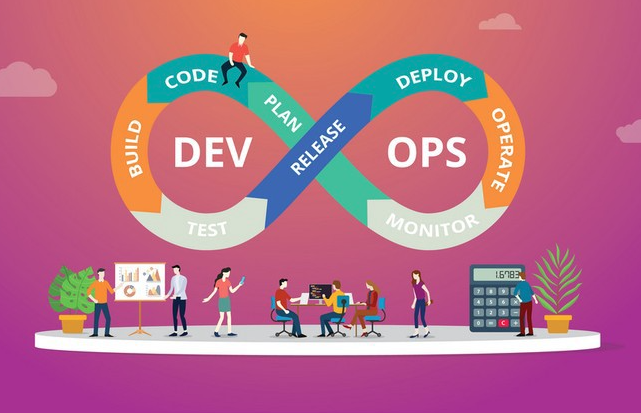
Incorporating Continuous Integration/Continuous Deployment (CI/CD) pipelines into the development workflow is another practice that cannot be overstated. CI/CD automates the software delivery process, from initial development through testing and deployment, ensuring that applications are always in a deployable state and significantly reducing the lead time for changes.
Adopting agile methodologies is equally important, fostering an environment of continuous improvement and enabling teams to respond more effectively to changing requirements. This approach encourages collaboration, adaptability, and a faster feedback loop, which are critical for the successful modernization of monolithic apps. Engaging with specialized service providers in areas such as Android Application Development Services or Custom Application Development Services can also provide access to expertise and resources that further streamline the modernization process.
Planning Your Monolithic App Modernization Journey
Embarking on a monolithic app modernization journey demands meticulous planning and foresight. Organizations must commence with a thorough evaluation of their current application landscape, pinpointing areas where improvements are most needed and identifying any potential roadblocks. This initial assessment serves as the foundation for crafting a detailed modernization roadmap, which should delineate the project's objectives, desired outcomes, and a step-by-step process for achieving them. Establishing clear, measurable key performance indicators (KPIs) is critical to tracking progress and gauging the success of modernization efforts over time.
Additionally, determining the scope of the project early on helps in allocating resources effectively and setting realistic timelines. By adopting a strategic approach, informed by insights from the assessment phase and guided by established KPIs, organizations can navigate the complexity of modernizing monolithic apps with clarity and purpose, ensuring alignment with broader business goals and technological capabilities. This forward-looking strategy paves the way for a seamless transition to a more dynamic and scalable application ecosystem.
Also Read: Modernizing Monolithic Apps – Guide For CIOs
Conclusion
Navigating the transition from monolithic architectures to more modern, agile frameworks is not just a technical endeavor but a strategic imperative for organizations aiming to thrive in the digital era. The journey, while complex, offers numerous benefits, including enhanced agility, scalability, and the ability to rapidly respond to market changes. It requires a clear understanding of the initial architecture, a solid business rationale, a commitment to adopting new technologies and practices, and an effective strategy to manage arising challenges. Through careful planning, execution, and the support of experienced partners in Android Application Development Services and Custom Application Development Services, organizations can successfully modernize their applications. By choosing to hire app developers with expertise in these areas, businesses can foster innovation, improve operational efficiency, and ensure long-term success and competitiveness in the digital marketplace.