





Worm Treatment for Dogs
Dogs are loyal companions and beloved family members. As responsible dog owners, it is our duty to ensure the health and well-being of our furry friends. One of the most common health issues that dogs face, especially puppies, is worm infestation. Worms can cause a range of problems in dogs, including gastrointestinal issues, weight loss, and even death if left untreated. In this article, we will discuss the top four worms that infect pets in Australia and how to protect your precious puppies from them.
Signs of Worm Infections in Puppies
Worm infestations can have severe consequences on your puppy's health. It is crucial to be aware of the signs and symptoms of worm infections so that you can seek prompt veterinary care. Here are some common indicators that your puppy may be suffering from a worm infestation:
1. Weight loss: If your puppy is experiencing unexplained weight loss or appears thinner than usual, it could be a sign of worm infestation. Worms consume valuable nutrients from your puppy's body, leading to weight loss and poor growth.
2. Pot-bellied appearance: A bloated or pot-bellied appearance in puppies can be indicative of a worm infestation. Worms can cause an accumulation of fluid in the abdomen, leading to a distended appearance.
3. Diarrhea: Worms can disrupt the normal digestive function, leading to diarrhea or loose stools in puppies. If you notice persistent gastrointestinal issues in your puppy, it is essential to consult a veterinarian.
4. Weakness and lethargy: Puppies infected with worms often exhibit signs of weakness and lethargy. If your puppy seems unusually tired or lacks energy, a worm infestation could be a possible cause.
These are just a few of the signs that your puppy may have worms. It's important to note that some worms may not display visible symptoms early on, making regular veterinary check-ups and preventive measures crucial for your puppy's health.
Types of Worms Affecting Dogs in Australia
1. Roundworms: Roundworms are one of the most common types of worms found in puppies in Australia. They are highly contagious and can be transmitted to puppies through their mother's milk. Infected puppies often experience gastrointestinal issues, including vomiting and diarrhea.
2. Hookworms: Hookworms are another prevalent type of worm that affects puppies in Australia. They are tiny parasites that can cause severe anemia in puppies. Hookworm larvae can penetrate the skin, and puppies can also ingest them by licking contaminated surfaces.
3. Whipworms: Whipworms primarily affect dogs rather than puppies, but they can still infect young puppies. They inhabit the large intestine and can cause chronic diarrhea, weight loss, and anemia. Whipworms are more common in outdoor or kennel-living dogs.
4. Tapeworms: Tapeworms are flat, segmented worms that can be transmitted to puppies through fleas or by ingesting infected prey. Infected puppies may experience weight loss, itching around the anus, and the presence of rice-like segments in their stool.
These are the top four worms that commonly infect pets in Australia. It is crucial to be proactive in protecting your puppies from these parasites through regular deworming and preventive measures.
Preventing and Treating Worm Infections
Preventing and managing worm infestations in puppies require a multi-faceted approach. Here are some essential steps to protect your puppies from debilitating worm infections:
1. Regular deworming: Follow your veterinarian's recommendations for deworming your puppies. Deworming schedules may vary depending on the age and health status of your puppies.
2. Proper hygiene: Maintain cleanliness in your puppy's living environment. Clean up feces promptly and wash bedding and toys regularly to minimize the risk of reinfestation.
3. Flea control: Since fleas can transmit tapeworms to puppies, it is crucial to use effective flea control methods. Consult your veterinarian for safe and suitable flea prevention products for your puppies.
4. Avoiding contaminated areas: Restrict access to areas where puppies may come into contact with contaminated soil or feces, such as dog parks or public spaces.
5. Regular veterinarian check-ups: Regular veterinary check-ups are essential for monitoring your puppy's health and detecting worm infestations early on. Your veterinarian can recommend specific preventive measures and treatments based on your puppy's individual needs.
By taking these preventive measures and staying vigilant for signs of worm infestation, you can protect your precious puppies from the devastating effects of worms. Remember, early detection and treatment are key in ensuring the health and happiness of your furry friends.
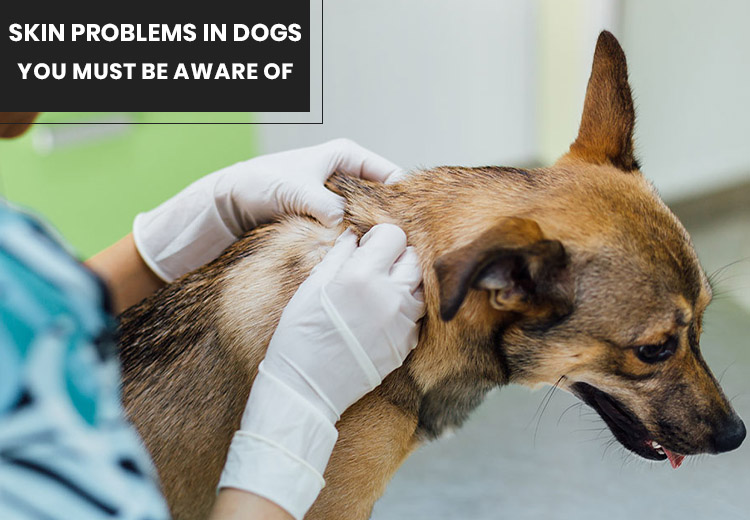




Pomeranian puppies are one of the most popular small dog breeds in the world, and for good reason. With their fluffy coats, adorable faces, lively personalities, and compact size, they make wonderf
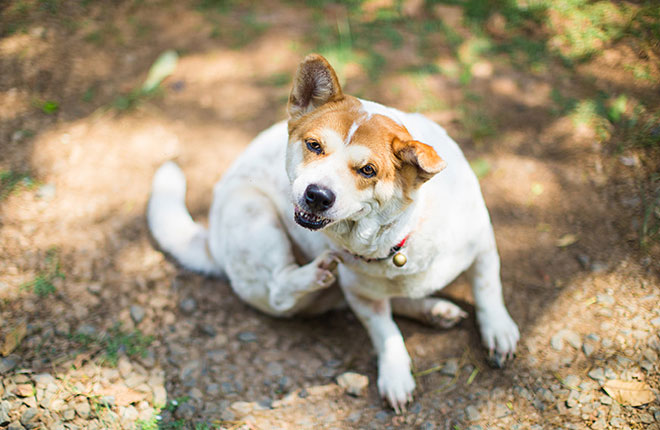
Fleas and ticks are a source of annoyance and potential health threat in every part of the UK.
It is possible to pick up fleas and ticks during the entire calendar year.
The winter is no less of a risk than the spring or summer.
This is especially true because these insects can thrive in our homes.
Dogs and cats which spend time outdoors are at equal risk of picking up fleas.
However, because dogs spend a larger amount of time outdoors, they are at a higher risk than cats for ticks.