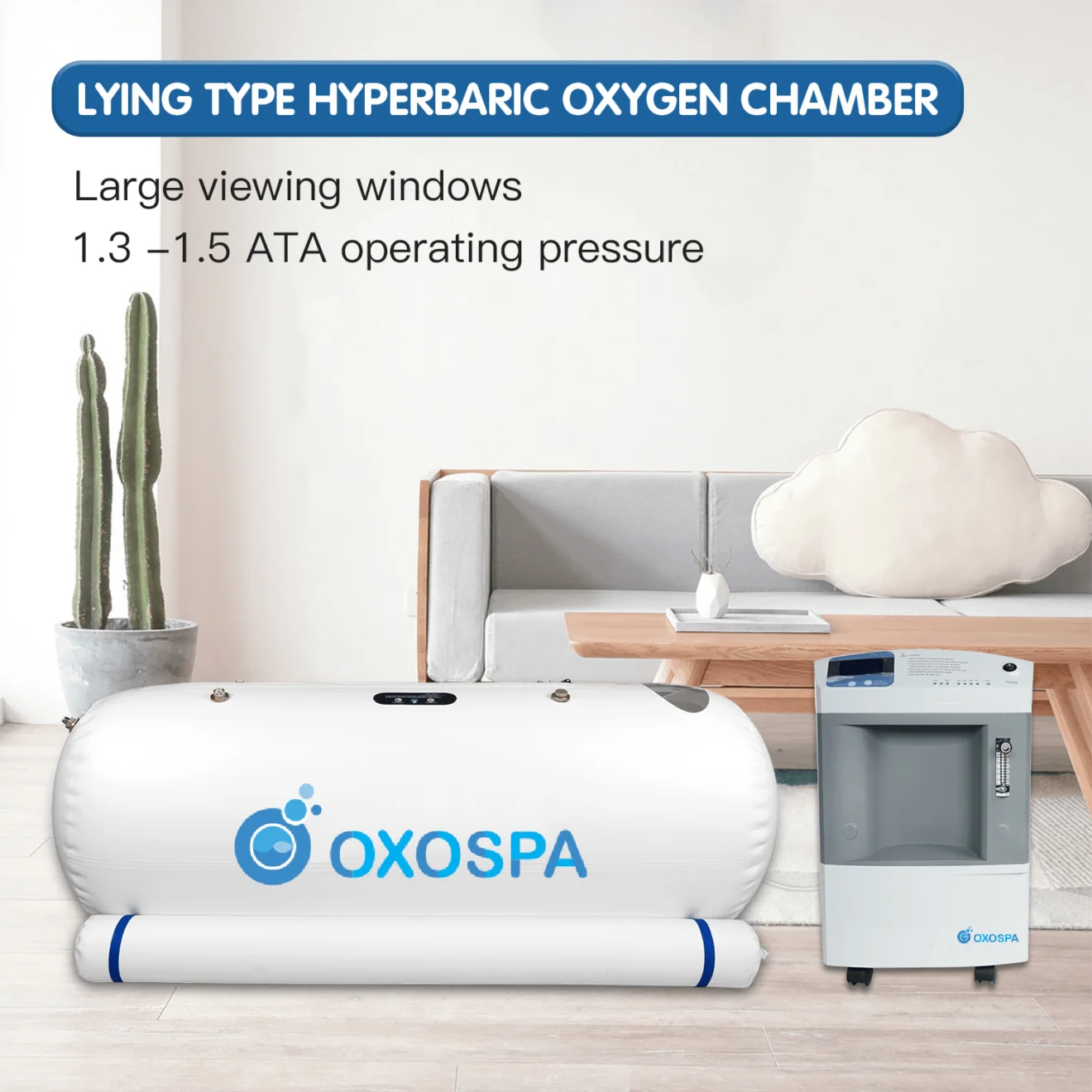
Traumatic Brain Injury (TBI) is a serious health concern that can have long-lasting effects on an individual's cognitive and physical abilities. While traditional treatments for TBI focus on symptom management and rehabilitation, hyperbaric oxygen therapy (HBOT) has emerged as a promising adjunctive treatment option. In this article, we explore how HBOT, conducted in a hyperbaric oxygen chamber setting at facilities like oxospa HBOT, can aid in the management of TBI.
Understanding Traumatic Brain Injury
TBI occurs when a sudden trauma or blow to the head disrupts normal brain function. This can result in a range of symptoms, including headaches, dizziness, memory loss, and cognitive impairments. Severe cases of TBI may lead to coma or permanent disability. The management of TBI typically involves a multidisciplinary approach, including medication, physical therapy, and cognitive rehabilitation.
What is Hyperbaric Oxygen Therapy?
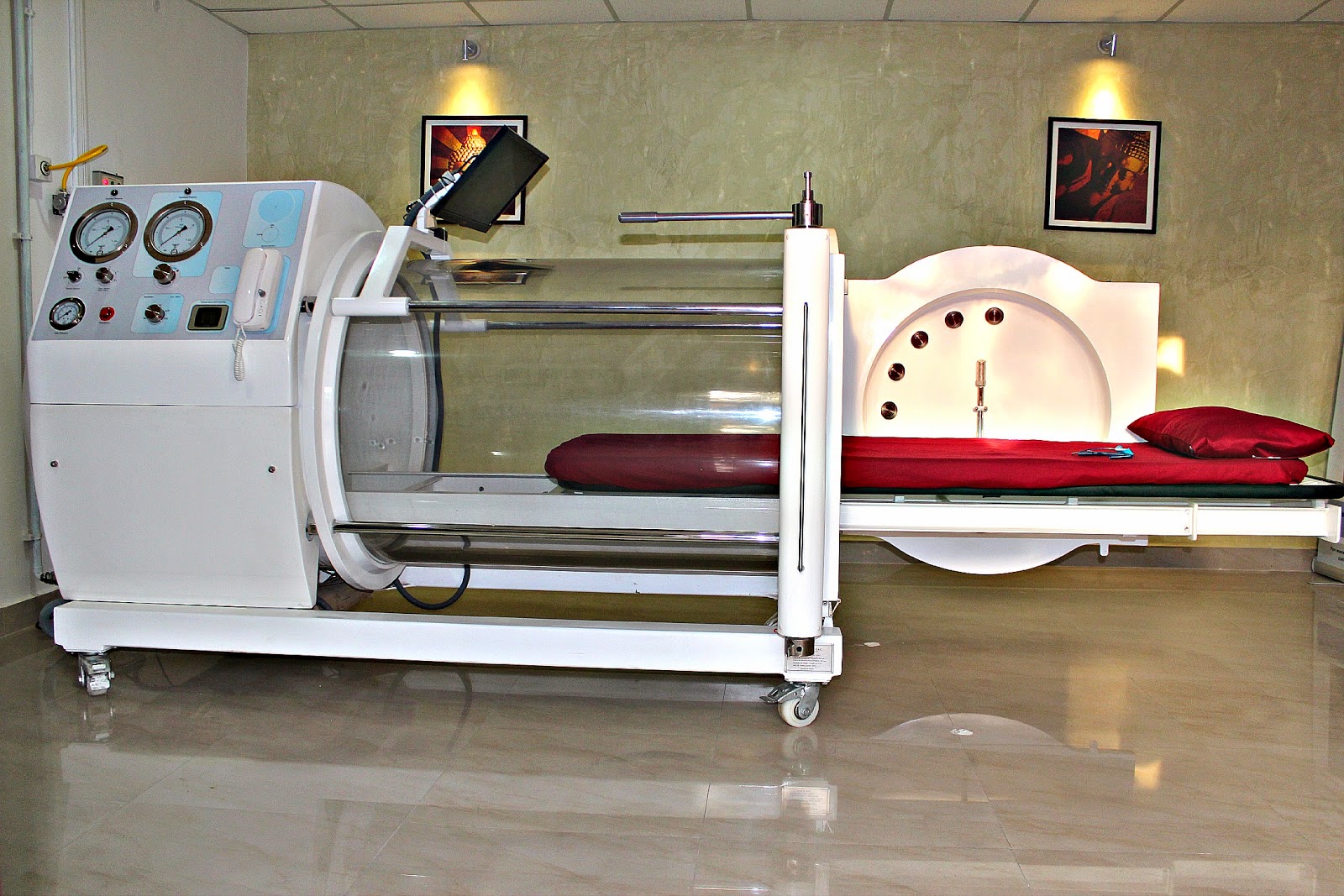
Hyperbaric Oxygen Therapy involves breathing pure oxygen in a pressurized environment, typically inside a hyperbaric oxygen chamber. This increased pressure allows oxygen to dissolve more effectively in the blood, promoting healing and reducing inflammation. HBOT has long been used to treat conditions such as decompression sickness and non-healing wounds, but its application in TBI management is a relatively newer area of research.
How HBOT Benefits Traumatic Brain Injury Patients
1. Promotes Oxygen Delivery to Injured Tissues:
The primary mechanism of HBOT is to increase the oxygen levels in the blood, which enhances oxygen delivery to damaged brain tissues. This oxygen-rich environment stimulates cellular repair processes and supports the healing of injured neurons.
2. Reduces Inflammation:
TBI often leads to inflammation in the brain, which can exacerbate tissue damage and impair recovery. HBOT has anti-inflammatory properties, helping to mitigate the inflammatory response and protect healthy brain tissue from further harm.
3. Enhances Neurological Function:
Studies have shown that HBOT can improve cognitive function and neurological outcomes in TBI patients. By facilitating the repair of damaged neurons and promoting neuroplasticity, HBOT may aid in restoring lost cognitive abilities and motor function.
4. Fosters Neurogenesis and Angiogenesis:
HBOT has been found to stimulate the growth of new blood vessels (angiogenesis) and neurons (neurogenesis) in the brain. This can potentially lead to improved blood flow and oxygenation in the injured areas, facilitating the healing process and supporting recovery.
The Role of Hyperbaric Oxygen Chamber Setting
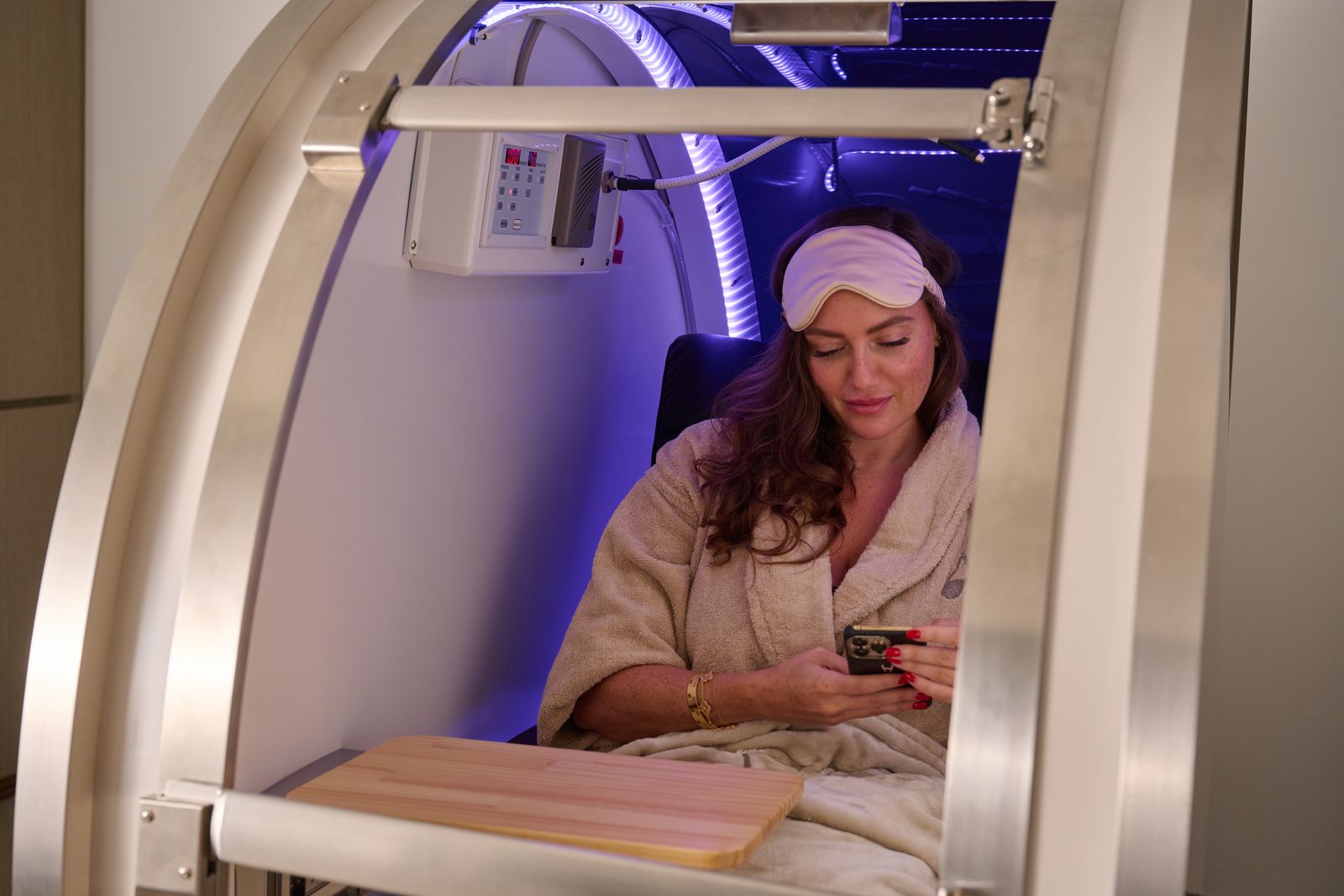
The environment in which HBOT is administered plays a crucial role in its effectiveness. Facilities like Oxospa offer state-of-the-art hyperbaric oxygen chambers that provide a safe and controlled setting for treatment. These chambers are pressurized to specific levels, ensuring optimal oxygen delivery to the patient while minimizing the risk of complications.
Considerations and Future Directions
While HBOT shows promise in the management of TBI, it is essential to recognize that it is not a standalone treatment. Rather, it should be integrated into a comprehensive care plan tailored to the individual needs of the patient. Additionally, further research is needed to elucidate the optimal protocols, dosages, and long-term effects of HBOT in TBI management.
Hyperbaric Oxygen Therapy, conducted in a hyperbaric oxygen chamber setting at facilities like oxospa HBOT, holds significant potential in the management of Traumatic Brain Injury. By promoting oxygenation, reducing inflammation, and enhancing neurological function, HBOT offers new hope for TBI patients striving to recover their cognitive and physical abilities. As research in this field continues to evolve, HBOT may become an increasingly valuable tool in the rehabilitation of TBI survivors.