






Spinal decompression therapy is a non-invasive treatment that has gained traction in the medical community for its effectiveness in relieving pain associated with spinal conditions. This therapy involves the use of a traction table or similar motorized device designed to alleviate pressure on the spine. Understanding the biomechanics and scientific principles behind spinal decompression therapy provides insight into why it is increasingly recommended for patients seeking relief from back pain.
The Science Behind Spinal Decompression Therapy
Biomechanics of Spinal Decompression
The human spine is composed of vertebrae, intervertebral discs, nerves, and connective tissues, all of which work in harmony to support bodily movements and maintain stability. Spinal decompression therapy operates on the principle of mechanical traction, which involves stretching the spine to change the force and position of the spine. This change in pressure and position can lead to an unloading of the spine's discs and joints.
During a spinal decompression session, the spine is gently stretched, creating a controlled unloading of the vertebrae, which reduces the pressure inside the discs (intradiscal pressure). This negative pressure promotes the diffusion of water, oxygen, and nutrient-rich fluids from the surrounding tissues into the fibrous outer core of the discs. Rehydration of the discs can help them to regain their height and elasticity, which contributes to improved spinal function and reduced pain.
Scientific Principles of Spinal Decompression
The core scientific principle behind spinal decompression therapy is creating a negative intradiscal pressure to promote retraction or repositioning of the herniated or bulging disc material. Additionally, the lower pressure in the disc facilitates the intake of healing nutrients and other substances essential for disc regeneration.
- Reduction of Intradiscal Pressure: As the spine is stretched, the pressure within the intervertebral discs is temporarily reduced, creating a vacuum-like effect that can help to pull the bulging or herniated disc material back towards the center of the disc. This vacuum also promotes the healing response in the disc, decreasing inflammation and allowing healing nutrients to help repair the disc.
- Improved Circulation: Decompression therapy enhances circulation within the spinal column and surrounding structures. Improved blood flow facilitates the removal of waste products and increases the supply of oxygen and nutrients, which are vital for tissue repair.
- Stimulation of Cellular Function: The process of stretching and relaxing the spine can help stimulate the activity of cellular repair. Cells responsible for the production of extracellular matrix components such as collagen and proteoglycans can become more active, which aids in the restoration of disc structure and function.
- Muscle Relaxation: Spinal decompression therapy can help in relaxing tense muscles, providing relief from muscle spasms often associated with spinal disorders. The cyclic stretching reduces muscle guarding and pain, further promoting patient comfort.
Clinical Applications and Effectiveness
Spinal decompression therapy is often used to treat conditions that result from degenerative changes in the spine, such as herniated discs, sciatica, degenerative disc disease, and spinal stenosis. Clinical studies have shown that this therapy can effectively reduce chronic back pain and improve the quality of life for many patients.
Patients typically undergo multiple sessions of spinal decompression therapy over a period of several weeks. Each session lasts approximately 30 to 45 minutes, during which the spine is cycled through phases of stretching and relaxation. The exact number of sessions can vary based on the severity of the condition and the individual’s response to treatment.
Locating Spinal Decompression Therapy
For those looking to find "spinal decompression therapy near me," it is advisable to seek out facilities that specialize in non-surgical spine care. Many chiropractic offices, physical therapy centers, and specialized spine clinics offer spinal decompression therapy as part of their services. It is important to choose a provider who is certified and experienced in delivering this type of therapy to ensure the best outcomes.
Conclusion
Spinal decompression therapy represents a significant advancement in non-surgical spine care, relying on established biomechanical and scientific principles to effectively treat various spinal conditions. By understanding the mechanics and effects of this therapy, patients and healthcare providers can better appreciate its potential benefits in managing and alleviating spinal pain. As research continues to evolve, spinal decompression therapy remains a compelling option for those seeking relief from chronic back pain without undergoing surgery.

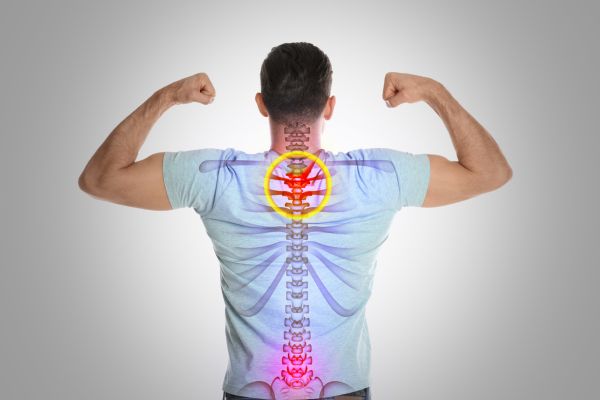

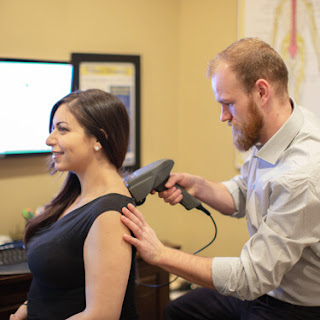


Spinal decompression is a lesser-known treatment option for people suffering from back discomfort.
When you have deteriorating discs, constricted nerves, or other back problems, this treatment can assist.
It also aids those suffering from acute sciatica by alleviating leg discomfort.Let's understand more about non-surgical spinal decompression therapy in Dubai.What Is Non Surgical Spinal Decompression?Spinal decompression treatment should be done regularly.
It is a procedure in which the spine is gradually stretched out to ease back and lower limb pain.
This can alleviate discomfort caused by pinched nerves, for example.It assists if there are problems with the discs, including a herniated or slowly devolving disc too.
You will feel far better when you do the therapy on a routine basis.