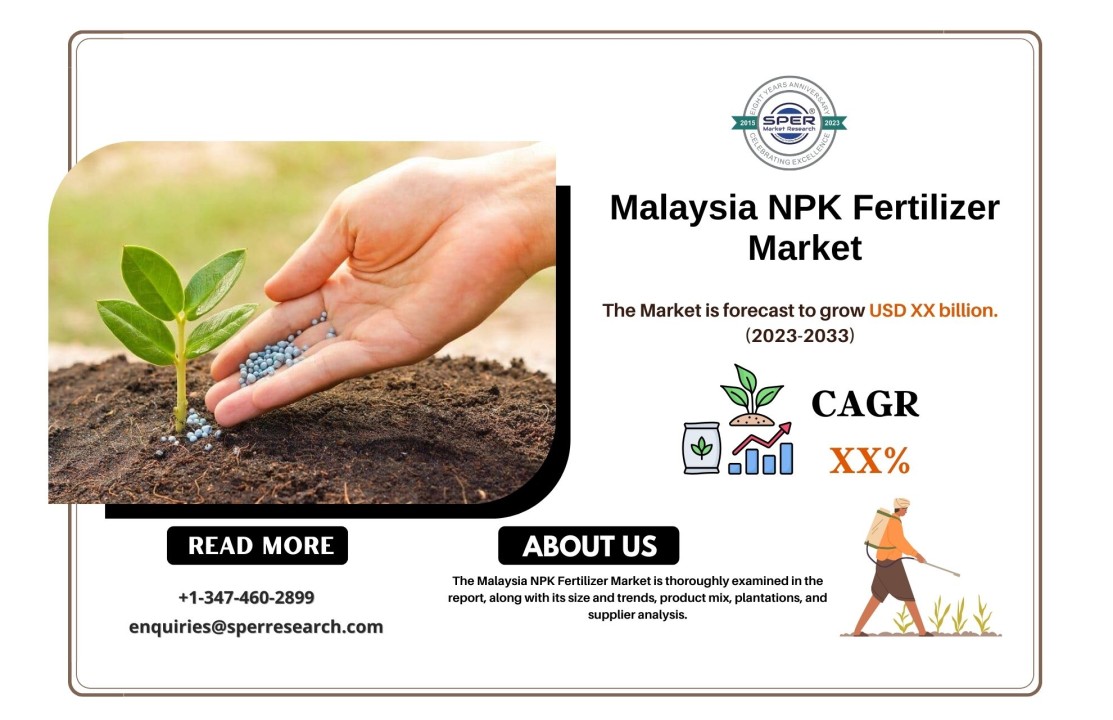
Durian farm fertilizer requirements Durian farming is a delicate process that requires careful attention to detail, especially when it comes to choosing the right fertilizer. Fertilizers play a crucial role in providing the necessary nutrients for durian trees to thrive and produce high-quality fruits. In this guide, we will explore the various factors you should consider when selecting fertilizers for your durian farm.
Fertilizer management techniques
Before diving into the specifics of choosing the right fertilizer, it is essential to understand some essential fertilizer management techniques. Proper management of fertilizers not only ensures optimal tree growth but also minimizes environmental impact.
1. Soil testing: To determine the nutrient levels in your soil, conducting a soil test is crucial. Soil testing helps identify deficiencies and imbalances, allowing you to make informed decisions about the type and quantity of fertilizers to use. Consider sending soil samples to a reputable agricultural laboratory for comprehensive analysis.
2. Nutrient requirements: Different stages of durian tree growth require varying nutrient compositions. Understanding the specific nutrient requirements during each growth stage is vital for providing adequate nourishment to the trees. Generally, durian trees need nitrogen (N), phosphorus (P), and potassium (K) in significant amounts.
3. Application timing: Knowing when to apply fertilizers is just as important as selecting the right ones. Applying fertilizers at the proper time ensures that the nutrients are available when the plants need them the most.
Generally, fertilizers should be applied during the active growing season to support healthy growth and fruit production. NPK fertilizer NPK (nitrogen, phosphorus, and potassium) fertilizers are among the most commonly used fertilizers in agriculture, including durian farming. These fertilizers contain varying ratios of these three primary nutrients, which are essential for overall plant development.
1. Nitrogen (N): Nitrogen is crucial for promoting leafy growth and enhancing overall plant vigor. It plays a vital role in the synthesis of proteins, chlorophyll, and DNA. However, excessive nitrogen can lead to excessive vegetative growth at the expense of fruit production. Therefore, striking the right balance is crucial.
2. Phosphorus (P): Phosphorus is vital for root development, flowering, and fruiting. It aids in energy transfer and is an essential component of DNA and RNA. Phosphorus deficiency can lead to stunted growth and reduced fruit quality. When choosing an NPK fertilizer, consider one with a balanced ratio of nitrogen and phosphorus.
3. Potassium (K): Potassium is essential for overall plant health, disease resistance, and fruit quality. It aids in water regulation, enzyme activation, and carbohydrate formation. Potassium deficiency can result in reduced fruit size and quality. Ensure that the NPK fertilizer you choose contains an adequate amount of potassium.
Durian Farmer
As a durian farmer, your key objective is to cultivate healthy trees and ensure high-quality fruit production. Here are some factors you should consider when choosing the right fertilizer for your durian farm:
1. Soil type and composition: The type and composition of your soil influence its nutrient-holding capacity and fertility. Some soils are naturally nutrient-rich, while others may require supplemental fertilization. Understanding your soil type can help you determine the appropriate fertilizer formulation.
2. Durian varieties: Different durian varieties have varying nutrient requirements. Some varieties may demand higher nitrogen inputs, while others may benefit from increased phosphorus or potassium levels. Research on the specific nutrient requirements of the durian varieties you are cultivating and adjust your fertilizer choices accordingly.
3. Environmental impact: Opt for fertilizers that have minimal environmental impact. Consider using slow-release fertilizers that gradually release nutrients over time, reducing the risk of nutrient runoff into nearby water sources.
Additionally, choose fertilizers that are less likely to leach into the groundwater and cause pollution. Choosing the right fertilizers When selecting fertilizers for your durian farm, keep the following tips in mind:
1. Read the labels: Carefully read the labels of fertilizers to understand their nutrient content and application rates. Look for NPK ratios suitable for durian trees and ensure that the fertilizer is specifically formulated for fruit trees or tropical plants.
2. Seek professional advice: Consulting with agricultural experts or local agricultural extension offices can provide valuable insights into the best fertilizers for durian farming in your specific region. They can also guide you on organic or alternative fertilizers such as AGKaizen (JVF Importer In Malaysia)
3. Consider organic options: Organic fertilizers, such as compost and manure, can be effective options for durian farming. They not only provide essential nutrients but also improve soil structure and fertility over time. However, organic fertilizers may take longer to release their nutrients compared to synthetic fertilizers.
4. Start with small quantities: When trying out a new fertilizer, it is advisable to start with small quantities to determine its effectiveness and observe any potential side effects. Gradually increase the application rate if the results are satisfactory.
In conclusion, choosing the right fertilizer for your durian farm is crucial for optimal tree growth and fruit production. Consider factors such as soil type, nutrient requirements, environmental impact, and expert advice when making your selection. By providing your durian trees with the right nutrients, you are setting the stage for a successful and fruitful harvest.

The NPK Fertilizer Market research report provides the latest industry data, growth, key segments and future trends on the basis of the detailed study.
This market report also allows you to identify the future opportunity and growth rate of the leading segment based on regions and countries.The report also covers detailed competitive landscape including company profiles of key players operating in the global market.
The key players in the NPK fertilizer market include Acron, Azomures, CGC, Euro Chem., Helena Chem., Helm AG, ICL, IFFCO, Kingenta, NPK Expert, Phosagro, Rossosh, Uralchem, Yara and ZAT among others.
An in-depth view of the competitive outlook includes future capacities, key mergers & acquisitions, financial overview, partnerships, collaborations, new product launches, new product developments and other developments with information in terms of H.Q.Get more information on "Global NPK Fertilizer Market Research Report" by requesting FREE Sample Copy athttps://www.valuemarketresearch.com/contact/npk-fertilizer-market/download-sampleMarket DynamicsGrowing demand for high efficiency fertilizers with rapid adoption of precise farming is driving the market growth.
Advantages such as ease of use and superior crop protection offered by NPK fertilizer are also accelerating its demand.
Despite of this, issues in life cycle, low awareness among farmers and stringent regulation imposed on production of NPK fertilizers may hinder the market growth.This detailed market study is centered on the data obtained from multiple sources and is analyzed using numerous tools including porter’s five forces analysis, market attractiveness analysis and value chain analysis.