





Introduction to Geothermal Drilling Equipment
Geothermal drilling equipment is essential for harnessing the earth's heat as a sustainable energy source. This comprehensive guide will explore the various components of geothermal drilling equipment and spare parts, focusing on the wide range of drill rig models available in the market.
Types of Geothermal Drilling Rigs
Rotary Drilling Rigs
Rotary drilling rigs are the most popular choice for geothermal drilling projects. They utilize a rotating drill bit to crush and cut through rock formations, creating a borehole. The main components of a rotary drilling rig include:
- Drill pipe
- Drill bit
- Mud pump
- Mud tank
- Derrick
- Drawworks
Advantages of Rotary Drilling Rigs
- High penetration rates
- Ability to drill through various rock formations
- Efficient removal of drill cuttings
- Suitable for deep drilling applications
Cable Tool Drilling Rigs
Cable tool drilling rigs, also known as percussion drilling rigs, use a heavy bit attached to a cable to break through rock formations. The bit is repeatedly raised and dropped, crushing the rock at the bottom of the borehole. Cable tool drilling rigs are ideal for shallow to medium-depth geothermal drilling projects.
Advantages of Cable Tool Drilling Rigs
- Lower initial investment compared to rotary rigs
- Suitable for areas with limited water supply
- Effective in hard rock formations
- Easier to maintain and repair
Coiled Tubing Drilling Rigs
Coiled tubing drilling rigs utilize a continuous length of flexible tubing to drill slim holes and perform well interventions. The tubing is coiled around a large reel and can be quickly deployed and retrieved from the borehole. Coiled tubing drilling rigs are becoming increasingly popular in geothermal drilling applications.
Advantages of Coiled Tubing Drilling Rigs
- Reduced trip time, as the tubing can be continuously fed into the borehole
- Smaller footprint compared to conventional drilling rigs
- Ability to perform directional drilling
- Suitable for well interventions and workover operations
Geothermal Drilling Equipment Components
In addition to the drilling rig itself, several key components are essential for successful geothermal drilling operations. These components include:
Drill Bits
Drill bits are the cutting tools used to crush and remove rock formations during the drilling process. There are various types of drill bits designed for specific rock types and drilling conditions, such as:
- Tricone bits
- PDC (Polycrystalline Diamond Compact) bits
- Hammer bits
Choosing the Right Drill Bit
Selecting the appropriate drill bit is crucial for optimizing drilling performance and minimizing downtime. Factors to consider when choosing a drill bit include:
- Rock formation characteristics
- Drilling depth
- Rig compatibility
- Cost-effectiveness
Drill Pipe
Drill pipe is used to transmit torque and weight from the drilling rig to the drill bit. It also serves as a conduit for drilling fluid circulation. Drill pipe is typically made of high-strength steel and comes in various sizes and grades to suit different drilling applications.
Drill Pipe Specifications
When selecting drill pipe for geothermal drilling, consider the following specifications:
- Pipe diameter
- Wall thickness
- Tool joint type
- Material grade
- Length
Mud Pumps
Mud pumps are responsible for circulating drilling fluid (mud) through the drill pipe and borehole. The drilling fluid serves several purposes, including:
- Cooling and lubricating the drill bit
- Removing drill cuttings from the borehole
- Stabilizing the borehole walls
- Controlling formation pressure
Mud Pump Types
There are two main types of mud pumps used in geothermal drilling:
- Triplex pumps
- Duplex pumps
Triplex pumps are more common due to their higher efficiency and output capacity.
Mud Tanks
Mud tanks are used to store, mix, and condition the drilling fluid. They typically consist of several compartments, each serving a specific purpose:
- Active tank: Stores the drilling fluid currently being used
- Reserve tank: Holds additional drilling fluid for replenishment
- Settling tank: Allows drill cuttings to settle out of the fluid
- Mixing tank: Used for mixing and preparing new drilling fluid
Mud Tank Capacity
The capacity of mud tanks varies depending on the size of the drilling rig and the depth of the geothermal well. It is essential to have sufficient mud tank capacity to ensure an uninterrupted supply of drilling fluid during operations.
Derricks
Derricks are the tall, vertical structures that support the drill pipe and other drilling equipment. They are typically made of steel and can be either stationary or mobile, depending on the type of drilling rig.
Derrick Specifications
When selecting a derrick for a geothermal drilling rig, consider the following specifications:
- Load capacity
- Height
- Substructure design
- Wind resistance
- Mobility (for mobile rigs)
Drawworks
Drawworks are the hoisting mechanisms used to raise and lower the drill pipe and other equipment in the borehole. They consist of a large drum, powered by an engine or electric motor, around which the drilling line is spooled.
Drawworks Specifications
When selecting drawworks for a geothermal drilling rig, consider the following specifications:
- Hoisting capacity
- Drilling line size
- Braking system
- Power source (diesel engine or electric motor)
Geothermal Drilling Spare Parts
Having a reliable supply of spare parts is essential for minimizing downtime and ensuring the smooth operation of geothermal drilling equipment. Some of the critical spare parts to keep on hand include:
- Drill bits
- Drill pipe sections
- Mud pump components (pistons, valves, liners)
- Drawworks components (brakes, clutches, bearings)
- Derrick components (sheaves, crown blocks, traveling blocks)
Spare Parts Inventory Management
Effective inventory management is crucial for ensuring the availability of spare parts when needed. Consider implementing the following strategies:
- Maintain a comprehensive inventory database
- Establish minimum stock levels for critical parts
- Regularly review and update inventory based on usage and lead times
- Develop relationships with reliable suppliers for prompt delivery of parts
Geothermal Drilling Equipment Maintenance
Regular maintenance is essential for prolonging the life of geothermal drilling equipment and minimizing the risk of failures. Develop a comprehensive maintenance program that includes:
- Daily inspections and checks
- Scheduled preventive maintenance
- Timely repairs and replacements
- Proper lubrication and cleaning
- Detailed maintenance records
Maintenance Best Practices
To optimize the performance and reliability of geothermal drilling equipment, consider implementing the following maintenance best practices:
- Train operators and maintenance personnel on proper equipment use and care
- Follow manufacturer recommendations for maintenance schedules and procedures
- Use high-quality lubricants and replacement parts
- Regularly calibrate and test equipment to ensure accuracy and performance
- Conduct failure analysis and root cause investigations to prevent recurring issues
Conclusion
Geothermal drilling equipment plays a vital role in harnessing the earth's heat for sustainable energy production. By understanding the various components of drilling equipment, including drill rigs, bits, pipes, mud pumps, tanks, derricks, and drawworks, geothermal energy professionals can make informed decisions when selecting and maintaining their equipment.
Investing in high-quality spare parts and implementing a robust maintenance program are essential for minimizing downtime and ensuring the longevity of geothermal drilling equipment. By staying up-to-date with the latest technologies and best practices, the geothermal industry can continue to advance and contribute to a more sustainable energy future.
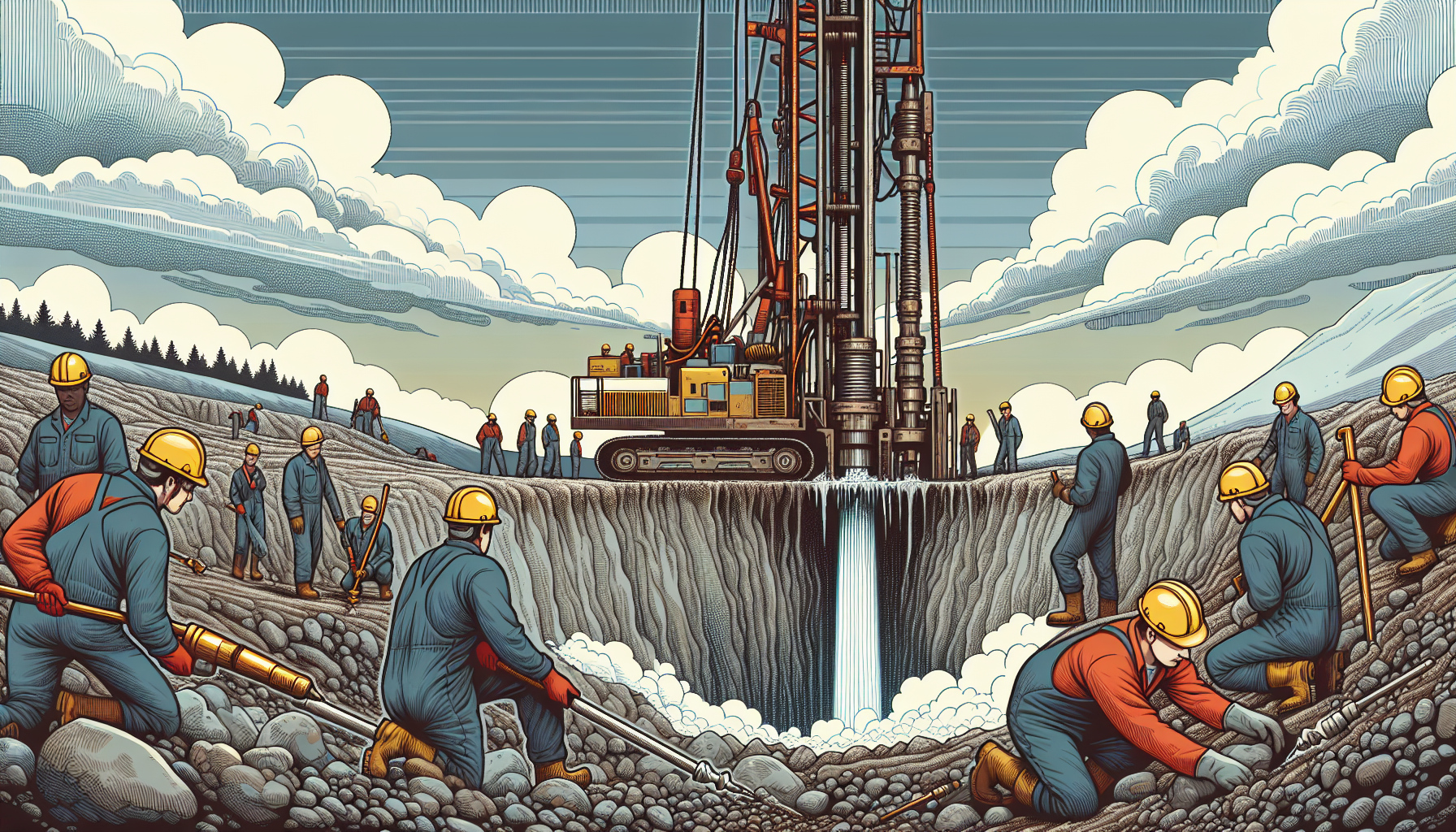

Global Geothermal Drilling Market The GMI Research forecasts that the Geothermal Drilling Market is witnessing an upsurge in demand over the forecast period.
This is mainly due to altering individual lifestyle, increasing inclination towards the deployment of decorative materials in the interior of houses and ongoing expansion in government investment.Introduction of the Geothermal Drilling Market Geothermal drilling refers to the technique of generating boreholes in the earth to extract heat from the ground.
For sustainable exploitation, deep-seated, large-diameter boreholes, and long-lasting well integrities are required.Key Players of the Global Geothermal Drilling Market:Marton Geotechnical Services Ltd.Huisman Equipment B.V.KCA DeutagBaker Hughes CompanyFraste SpaSchlumberger LimitedOrmatHalliburtonDeepRockGeotech DrillingGeothermal Drilling Market Dynamics (including market size, share, trends, forecast, growth, forecast, and industry analysis)The prominent drivers responsible for the growth of the global geothermal drilling market includes the increasing implementation of renewable resources, which include geothermal, led by the rising levels of greenhouse gases (GHGs) in the atmosphere and the intensifying focus on clean energy production.
Furthermore, the substantial increase in the prices of oil has promoted geothermal energy as a resource that holds potential opportunities for the market.
This is mainly due to the high chances of success in the production well over other wells, which minimizes the exploration costs.
This also reduces the lease cost for the contractors because abandonment wells cost less as compared to new fields, thus supporting the market growth.Regional DriversBased on the regional coverage, Asia-Pacific will experience a faster growth owing to the soaring demand for oil and natural gas led by the mounting rate of population, primarily in China, Indonesia, and India.

Global Geothermal Drilling Market The GMI Research forecasts that the Geothermal Drilling Market is witnessing an upsurge in demand over the forecast period.
This is mainly due to altering individual lifestyle, increasing inclination towards the deployment of decorative materials in the interior of houses and ongoing expansion in government investment.Introduction of the Geothermal Drilling Market Geothermal drilling refers to the technique of generating boreholes in the earth to extract heat from the ground.
For sustainable exploitation, deep-seated, large-diameter boreholes, and long-lasting well integrities are required.Key Players of the Global Geothermal Drilling Market:Marton Geotechnical Services Ltd.Huisman Equipment B.V.KCA DeutagBaker Hughes CompanyFraste SpaSchlumberger LimitedOrmatHalliburtonDeepRockGeotech DrillingGeothermal Drilling Market Dynamics (including market size, share, trends, forecast, growth, forecast, and industry analysis)The prominent drivers responsible for the growth of the global geothermal drilling market includes the increasing implementation of renewable resources, which include geothermal, led by the rising levels of greenhouse gases (GHGs) in the atmosphere and the intensifying focus on clean energy production.
Furthermore, the substantial increase in the prices of oil has promoted geothermal energy as a resource that holds potential opportunities for the market.
This is mainly due to the high chances of success in the production well over other wells, which minimizes the exploration costs.
This also reduces the lease cost for the contractors because abandonment wells cost less as compared to new fields, thus supporting the market growth.Regional DriversBased on the regional coverage, Asia-Pacific will experience a faster growth owing to the soaring demand for oil and natural gas led by the mounting rate of population, primarily in China, Indonesia, and India.