


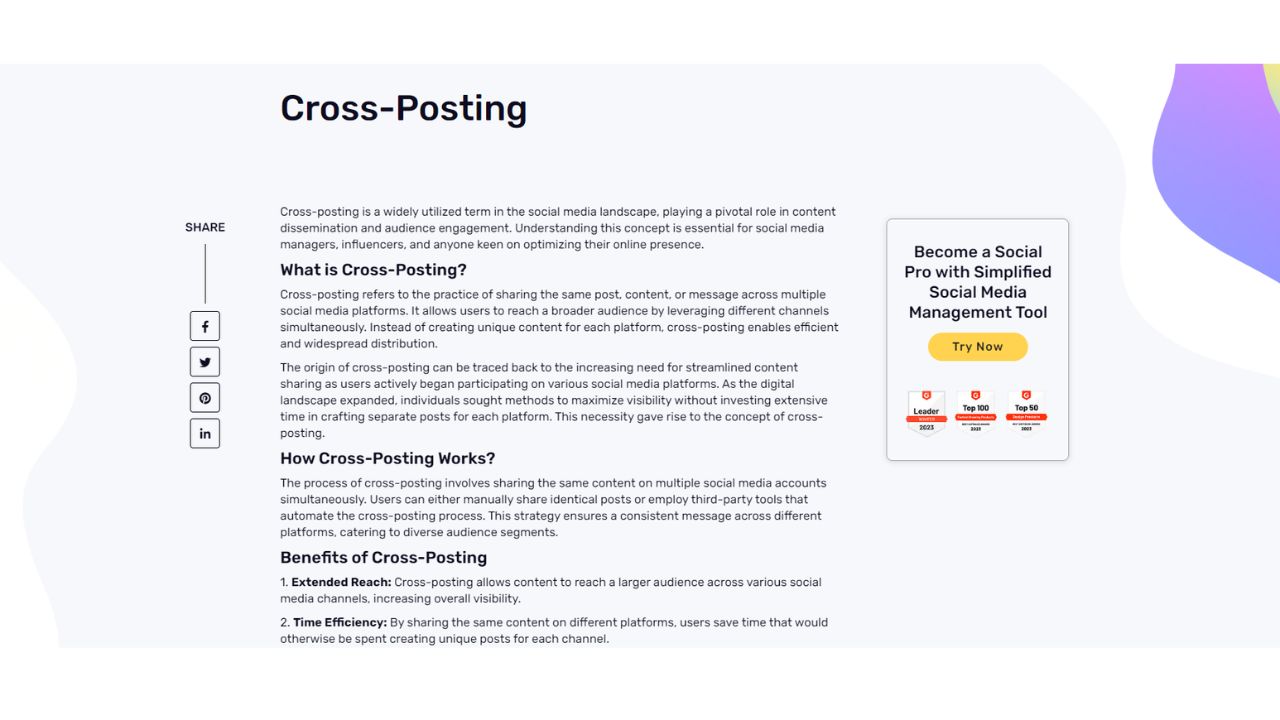
Cross-posting is a term used primarily in the realm of online communities, particularly on social media platforms and forums. It refers to the practice of sharing the same content across multiple platforms or channels simultaneously or at different times. This strategy allows users to reach a broader audience and maximize the visibility of their content. However, cross-posting can have both advantages and disadvantages, depending on the context and execution.
At its core, cross-posting serves as a way to amplify the reach of content by leveraging various online platforms. For example, a user might post a photo on Instagram and then share the same photo on Twitter and Facebook to ensure that followers across all platforms have the opportunity to see it. This approach can be particularly beneficial for individuals or organizations seeking to promote their brand, share important information, or engage with a diverse audience.
One of the key benefits of cross-posting is its ability to save time and effort for content creators. Rather than crafting unique posts for each platform, users can simply share the same content across multiple channels with minimal modifications. This streamlines the content distribution process and allows creators to focus their energy on other tasks or create more content.
Moreover, cross-posting enables users to maintain a consistent presence across different platforms, reinforcing their brand identity and message. By sharing content on multiple channels, individuals and businesses can increase their visibility and establish themselves as authoritative voices within their respective niches. This can lead to greater recognition, increased followership, and improved engagement over time.
Additionally, cross-posting facilitates greater accessibility for audiences, ensuring that content reaches individuals who may not be active on every platform. For example, someone who primarily uses Twitter may not see content posted exclusively on Instagram, but by cross-posting, they have the opportunity to engage with it. This broadens the reach of content and fosters a more inclusive online community.
However, despite its benefits, cross-posting also has its drawbacks. One of the main concerns is the potential for redundancy and oversaturation. When the same content is posted across multiple platforms without any variation, it can appear repetitive and disengaging to followers who follow accounts across multiple platforms. This may lead to decreased interest in the content or even unfollows.
Furthermore, cross-posting can be perceived as lazy or insincere if not executed thoughtfully. Users who simply copy and paste content without considering the unique characteristics of each platform may come across as inauthentic or disinterested in fostering genuine engagement with their audience. To mitigate this risk, it's essential for content creators to tailor their posts to suit the norms and expectations of each platform.
Another potential downside of cross-posting is the risk of diluting engagement metrics. Since the same content is being shared across multiple platforms, likes, comments, and shares may be spread out rather than concentrated on a single post. This can make it challenging to accurately assess the performance of individual posts and may obscure valuable insights into audience preferences and behavior.
In conclusion, cross-posting is a valuable strategy for expanding the reach of content and engaging with diverse audiences across multiple online platforms. When done thoughtfully and strategically, it can help individuals and businesses increase their visibility, maintain a consistent brand presence, and foster a sense of community online. However, it's important for content creators to balance the benefits of cross-posting with the potential drawbacks, ensuring that their approach is tailored to the unique characteristics of each platform and respectful of their audience's preferences.

As an agency, regular posting on social media is important as it increases brand awareness and makes your clients more visible to potential customers.
By posting regularly, you make sure that audience see more of your clients.
With white label social media posting platform your agency can easily meet the social media posting requirements of clients.
Social Media Posting Platform offers agencies various benefits like - Multi-Channel Posting.
DashClicks, a white label platform, offer social media posting platform to agencies which provides all the above mentioned benefits and much more.
DashClicks is trusted by thousands of agencies across the world to provide best-in-class social media posting services, combined with a stunning agency platform.

In the fast-paced world of digital marketing, a strong social media presence is essential for reaching your audience. Each social media platform attracts different demographics, so adopting a multi