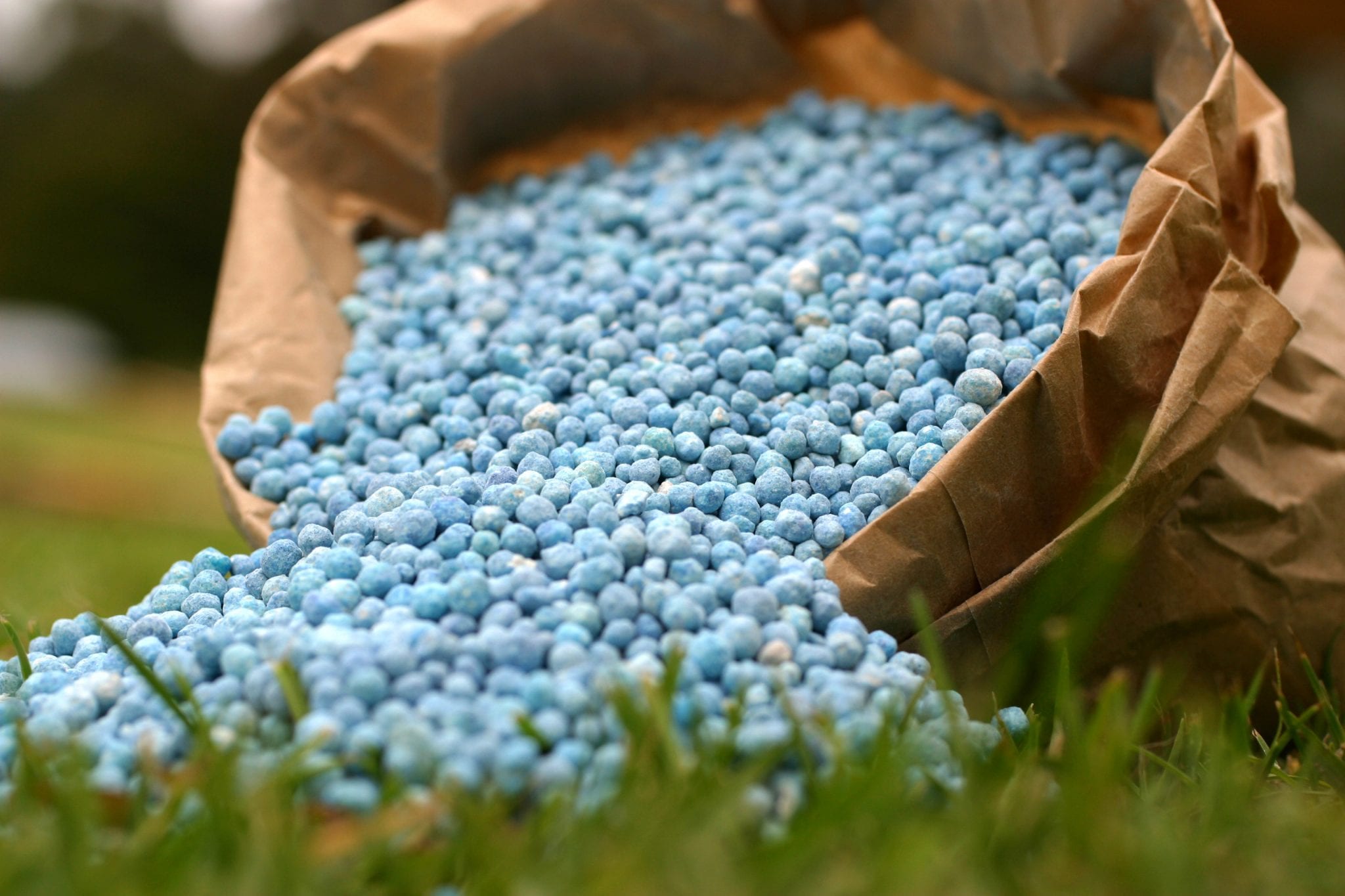



Organic farming, which emphasizes ecological balance and biodiversity, often raises questions about the necessity of fertilizers. While traditional chemical fertilizers are generally avoided in organic practices, the use of organic fertilizers is considered essential for maintaining soil health and crop productivity. Here’s a detailed look at the role and necessity of fertilizers in organic farming:
Soil Health and Nutrient Management
Soil Fertility: Organic farming relies on maintaining and enhancing the natural fertility of the soil. Over time, crops deplete essential nutrients from the soil, which must be replenished to sustain productivity. Organic fertilizers, such as compost, green manure, bone meal, and animal manure, are rich in vital nutrients like nitrogen, phosphorus, and potassium, which are crucial for plant growth.
Microbial Activity: Organic fertilizers support the proliferation of beneficial soil microorganisms. These microorganisms decompose organic matter, releasing nutrients in a form that plants can absorb. This process not only enriches the soil but also improves its structure and water-holding capacity, making it more resilient to erosion and drought.
Environmental Benefits
Reduced Pollution: Unlike synthetic fertilizers, organic fertilizers are less likely to cause nutrient runoff into water bodies, which can lead to problems like eutrophication. The slow-release nature of organic fertilizers ensures that nutrients are available to plants over a longer period, reducing the risk of leaching into groundwater.
Carbon Sequestration: The use of organic fertilizers can enhance the soil’s ability to sequester carbon. By increasing organic matter in the soil, organic farming helps mitigate climate change by capturing atmospheric carbon dioxide.
Sustainable Practices
Crop Rotation and Cover Cropping: Organic farmers often use crop rotation and cover cropping to manage soil fertility. These practices help prevent nutrient depletion, control pests, and improve soil structure. Cover crops, such as legumes, can fix atmospheric nitrogen, adding this essential nutrient back into the soil.
Composting: Composting is a key practice in organic farming. It recycles organic waste into a valuable soil amendment rich in nutrients and beneficial microbes. Compost improves soil health, boosts crop yields, and reduces the need for external fertilizer inputs.
Challenges and Considerations
Nutrient Deficiencies: One challenge in organic farming is ensuring that all necessary nutrients are available in sufficient quantities. Organic fertilizers generally have lower nutrient concentrations compared to synthetic ones, and their nutrient release rates can be slower and less predictable. This requires careful planning and management to meet the nutritional needs of crops.
Soil Testing and Amendments: Regular soil testing is crucial in organic farming to monitor nutrient levels and soil health. Based on test results, organic farmers may need to apply specific amendments to address deficiencies and optimize soil fertility.
Conclusion
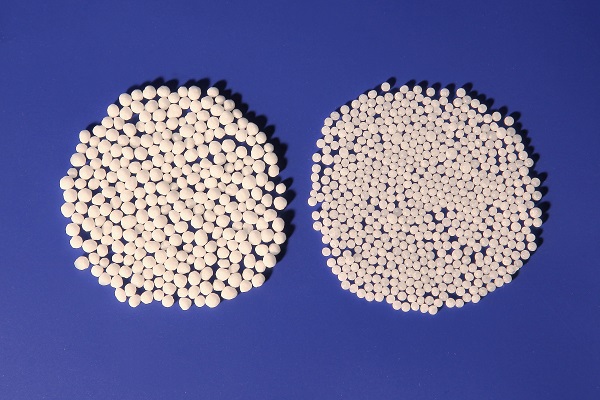
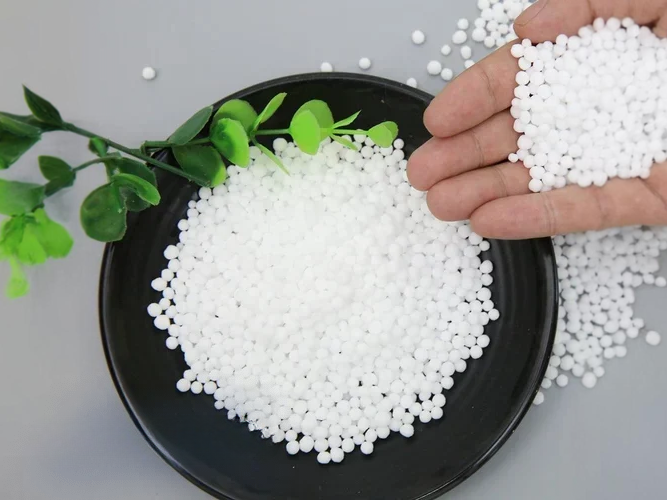
Urea Fertilizers are indeed necessary in organic farming, but they differ significantly from conventional chemical fertilizers. Organic fertilizers play a vital role in sustaining soil health, enhancing biodiversity, and ensuring long-term agricultural productivity. By incorporating natural and sustainable practices, organic farming aims to create a balanced ecosystem where soil fertility is maintained through renewable and environmentally friendly inputs.