


Oral thrush caused by Candida yeast is prevalent and uncomfortable. Oral thrush is typically treatable, although there may be no one treatment. In fact, age and underlying medical conditions might affect therapy efficacy and choice. Healthcare practitioners must understand these subtleties to offer customized treatment that improves results and patient comfort. This discussion examines how Oral thrush treatment varies by age and health status.
Age-related Considerations
Patient age affects oral thrush treatment. Due to their growing immune systems and frequent use of pacifiers or bottles, infants are prone to oral thrush. Oral antifungals like nystatin are routinely given to newborns as suspensions or gels. These drugs are safe for newborns and young children and are administered straight to the mouth. However, older folks may have distinct health issues or drugs that predispose them to oral thrush. Age weakens the immune system, leaving older persons more susceptible to fungal infections. Thus, like newborns, this group may get oral or topical antifungal medicines. Drug interactions and negative effects may need stricter monitoring in older persons.
Underlying Health disorders
Recurrent or more severe occurrences of oral thrush may occur in people with certain underlying health disorders, such as diabetes mellitus or immunocompromising diseases like HIV/AIDS. Therefore, in these situations, a more severe and all-encompassing therapeutic strategy could be required. For instance, it's important to optimize blood sugar levels in people with poorly managed diabetes since elevated glucose levels might encourage the development of fungi.
In addition, Oral thrush treatment has a possible adverse effect on patients receiving radiation therapy or chemotherapy for cancer treatment. To treat such situations and minimize consequences, a mix of supportive care techniques and antifungal drugs may be used.
Denture Wearers
Another category that could need special attention while treating oral thrush is those who wear dentures. Candida yeast may be harbored by ill-fitting or inadequately cleaned dentures, which can result in recurring infections. Denture cleanliness thus becomes crucial in addition to antifungal medication. Wearers of dentures should be taught to take them off at night so that the oral tissues may breathe and heal, as well as to clean them carefully and on a regular basis.
Pregnancy
Due to hormonal changes that might impair immunity, pregnant women are more prone to oral thrush. Pregnancy-related treatment necessitates careful consideration of drug safety for both the growing fetus and the mother. Pregnant women may be advised to utilize antifungal medications like clotrimazole since they are usually seen to be safe when taken as prescribed. However, before beginning therapy, medical professionals must consider the advantages and disadvantages.
In conclusion, age, underlying medical issues, and other unique characteristics may all have an impact on how oral thrush is treated. For oral thrush to be properly managed and recurrence to be avoided, the treatment plan must be customized to each patient's requirements and circumstances.

Pets can be affected by oral conditions just like humans.
Feline Stomatitis and tooth resorption are two issues that majorly affect cats and dogs.
So get complete treatment for your pets at Veterinary Dental Care.
We have a team of experts that specialize in the care of the oral health of dogs and cats.
Visit our website to know more.

Report Elections 2019 - The General Elections commission (KPU) to meet President Joko Widodo (Jokowi) at the state Palace, Jakarta, Monday (11/11).
In the meeting, the COMMISSION reported the results of the implementation of presidential elections (Presidential Election) and Legislative Elections (Pileg) 2019.
According to him, the number of representation of women, both as candidates and elected as a legislator ride than some of the previous Pileg.
In the Legislative election in 2019, the number of women who successfully become members of the DPR and the DPD has reached 162 persons.
That number rose significantly by the 23.6% compared to the 2014 Legislative election are around 131 people.
“So since 2014-2019, the 2014 Elections and the 2019 elections, the number of female candidates increased as the mandate in the LAW on affirmation of women's representation,” he said.
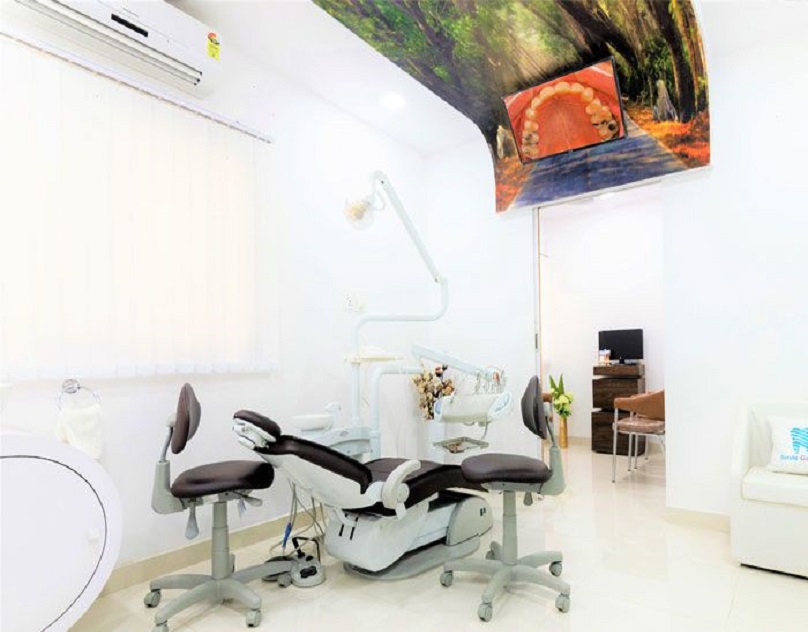
However, also do visit smile- gallery, If you're looking for a dental clinic in areracolony.com and bespeak your appointment online.
It provides the most affordable yet high-quality dental services.
Regular check-ups with your dentist will help you help goo conditions.
Regular check-ups make it easier for the dentist to descry the early signs of problems.
Our cultures are getting complex day by day, and that's why we're getting susceptible to health issues more frequently.
We all are familiar with the fact that forestallment is always better than cure, and it's the key to maintaining good oral health.