

Pipelines are essential for transporting various substances, including water, oil, and gas, across vast distances. Proper maintenance of these pipelines is crucial to ensure their efficiency and longevity. Among the various components used in pipeline maintenance, blind flanges play a vital role.

This article explores the significance of blind flanges in pipeline maintenance, delving into their purpose, types, and specifications that make them indispensable in industrial settings.
Understanding Blind Flanges
Blind flanges are solid disk-shaped components used to close the ends of pipes, valves, or equipment openings. Unlike other flanges, they do not have an opening in the center, which makes them particularly useful for sealing off a section of a pipeline. Blind flanges are bolted into place and can be removed easily when necessary, making them ideal for temporary or permanent closures.
Purpose of Blind Flanges in Pipeline Maintenance
1. Sealing and Isolation
One of the primary functions of blind flanges is to seal off sections of a pipeline. This is especially important during maintenance activities when specific sections need to be isolated from the rest of the system. By sealing these sections, blind flanges prevent the flow of liquids or gases, ensuring a safe and controlled environment for maintenance work. This isolation is crucial to avoid accidents and ensure the safety of maintenance personnel.
2. Testing and Inspection
Blind flanges are also used in the testing and inspection of pipelines. During these processes, sections of the pipeline may need to be pressurized to check for leaks or weaknesses. Blind flanges provide a secure closure, allowing for accurate pressure testing. They also enable the creation of controlled test environments where specific sections can be inspected without affecting the entire pipeline system.
Types of Blind Flanges
Blind flanges come in various types and materials, each suited to specific applications and environments. Understanding these types helps in selecting the right flange for the job.
1.Standard Blind Flanges
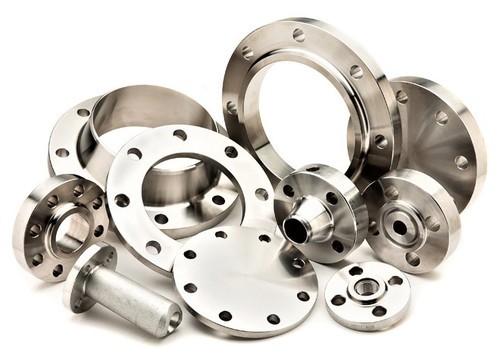
Standard blind flanges are the most commonly used type. They are designed to fit standard pipe sizes and pressure ratings. These industrial flanges are typically made from materials such as stainless steel, carbon steel, or alloy steel, chosen based on the requirements of the pipeline system.

2.Raised Face Blind Flanges
Raised face blind flanges have a small raised area around the bore, providing a better seal when used with a gasket. This type of flange is commonly used in environments where a higher degree of sealing is required, such as high-pressure or high-temperature pipelines.
3.Ring Type Joint Blind Flanges
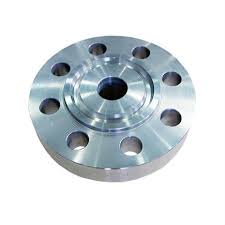
Ring type joint (RTJ) blind flanges are used in high-pressure applications. They feature a groove cut into their face, which accommodates a metal ring gasket. This design ensures a strong and leak-proof seal, making RTJ blind flanges suitable for critical applications in the oil and gas industry.
Flange Specifications and Standards
The effectiveness of blind flanges in pipeline maintenance depends significantly on adhering to specific flange specifications and standards. These specifications ensure compatibility, safety, and performance across various applications.
Material Specifications
The material used for blind flanges must be compatible with the substances transported through the pipeline and the operating conditions. Common materials include:
1. Stainless Steel
Known for its corrosion resistance and strength, making it suitable for a wide range of applications.
2. Carbon Steel
Offers good strength and is cost-effective, commonly used in less corrosive environments.
3. Alloy Steel
Provides enhanced performance in extreme conditions, such as high temperatures or pressures.
Dimensional Standards
Blind flanges must meet specific dimensional standards to ensure they fit correctly with the pipeline components. These standards include:
1. ASME B16.5
Covers pipe flanges and flanged fittings for sizes up to 24 inches.
2. ASME B16.47
Applies to large-diameter steel flanges ranging from 26 inches to 60 inches.
3. API 6A
Pertains to the wellhead and Christmas tree equipment, including flanges used in oil and gas drilling.
Pressure Ratings
Blind flanges are rated for different pressure levels, known as pressure classes. Common pressure classes include 150, 300, 600, 900, 1500, and 2500. Choosing the correct pressure rating is essential to ensure the flange can withstand the operational pressures of the pipeline.
Benefits of Using Blind Flanges in Maintenance
Blind flanges offer numerous benefits in the context of pipeline maintenance, contributing to the overall efficiency and safety of operations.
1. Easy Installation and Removal
One of the main advantages of blind flanges is their ease of installation and removal. They can be quickly bolted or unbolted, allowing for swift isolation of pipeline sections. This ease of use is particularly beneficial during emergency repairs or routine maintenance checks.
2. Versatility
Blind flanges are versatile and can be used in various pipeline systems, regardless of the substance being transported. Whether it's oil, gas, water, or chemicals, blind flanges can provide a reliable seal.
3. Cost-Effective
Using blind flanges can be cost-effective in the long run. By facilitating easy isolation and testing, they reduce the downtime required for maintenance activities. This efficiency translates to lower operational costs and improved productivity.
Best Practices for Using Blind Flanges
To maximize the benefits of blind flanges in pipeline maintenance, it's essential to follow best practices during their selection, installation, and use.
1. Proper Selection
Choosing the right blind flange involves considering factors such as material compatibility, pressure rating, and dimensional standards. Ensuring that the flange meets the specific requirements of the pipeline system is crucial for optimal performance.
2. Regular Inspection
Blind flanges should be regularly inspected for signs of wear, corrosion, or damage. Regular inspections help in identifying potential issues before they escalate, ensuring the continued integrity of the pipeline system.
3. Correct Installation
Proper installation is key to the effectiveness of blind flanges. Ensuring that the flange is correctly aligned and securely bolted will prevent leaks and ensure a strong seal. It's also important to use the appropriate gaskets and sealing materials as required by the flange type.
Conclusion
Blind flanges are indispensable components in pipeline maintenance, offering reliable sealing and isolation capabilities. Their role in ensuring safe and efficient maintenance operations cannot be overstated.
By understanding the types, specifications, and best practices associated with blind flanges, industries can enhance their pipeline maintenance strategies, leading to improved safety, reduced costs, and prolonged pipeline life.
Frequently Asked Questions
1. What are the best practices for installing and maintaining blind flanges?
Proper installation, regular inspection, and adherence to maintenance schedules are essential for ensuring the effectiveness of blind flanges. Following manufacturer guidelines and industry standards is key to maximizing their performance and longevity.
2. What are some common challenges associated with blind flanges, and how can they be overcome?
Challenges such as leakage risks, material compatibility issues, and temperature/pressure variations can affect the performance of blind flanges. Regular inspections, proper maintenance, and selecting the right materials can help mitigate these challenges.
3. What are the future trends and innovations in blind flanges and pipeline maintenance?
Future trends include the integration of smart monitoring technology, advancements in material science, and the automation of maintenance processes. These innovations aim to improve efficiency, reliability, and safety in pipeline maintenance operations.
4. Are there any regulations or standards that govern the use of blind flanges in pipeline maintenance?
Yes, blind flanges must adhere to industry standards such as ASME B16.5, ASME B16.47, and API 6A, which specify dimensional requirements, material specifications, and pressure ratings. Compliance with these standards ensures the quality and reliability of blind flanges.
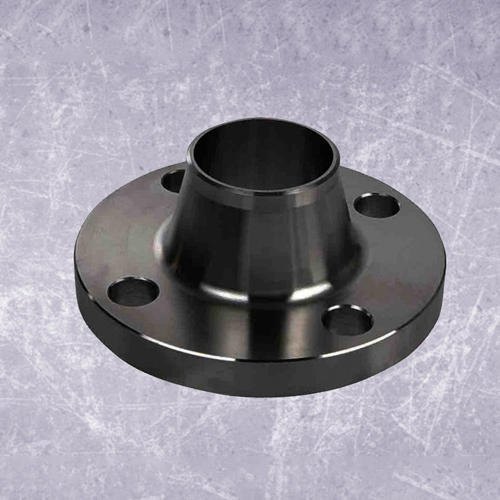

Western Steel Agency is a top Carbon Steel Flanges Manufacturer in India.
Precision and high-quality raw materials were used in our manufacturing.
We provide a variety of flanges, including slip-on flanges, blind flanges, weld neck flanges, and many others.
We are also the topmost Pipe Fittings Manufacturers in India and Forged Fittings Manufacturers in India.
Please free to contact us:Write to us: info@wsaindia.netCall us: +917922741096Website: https://wsaindia.netProduct source: Carbon Steel Flanges