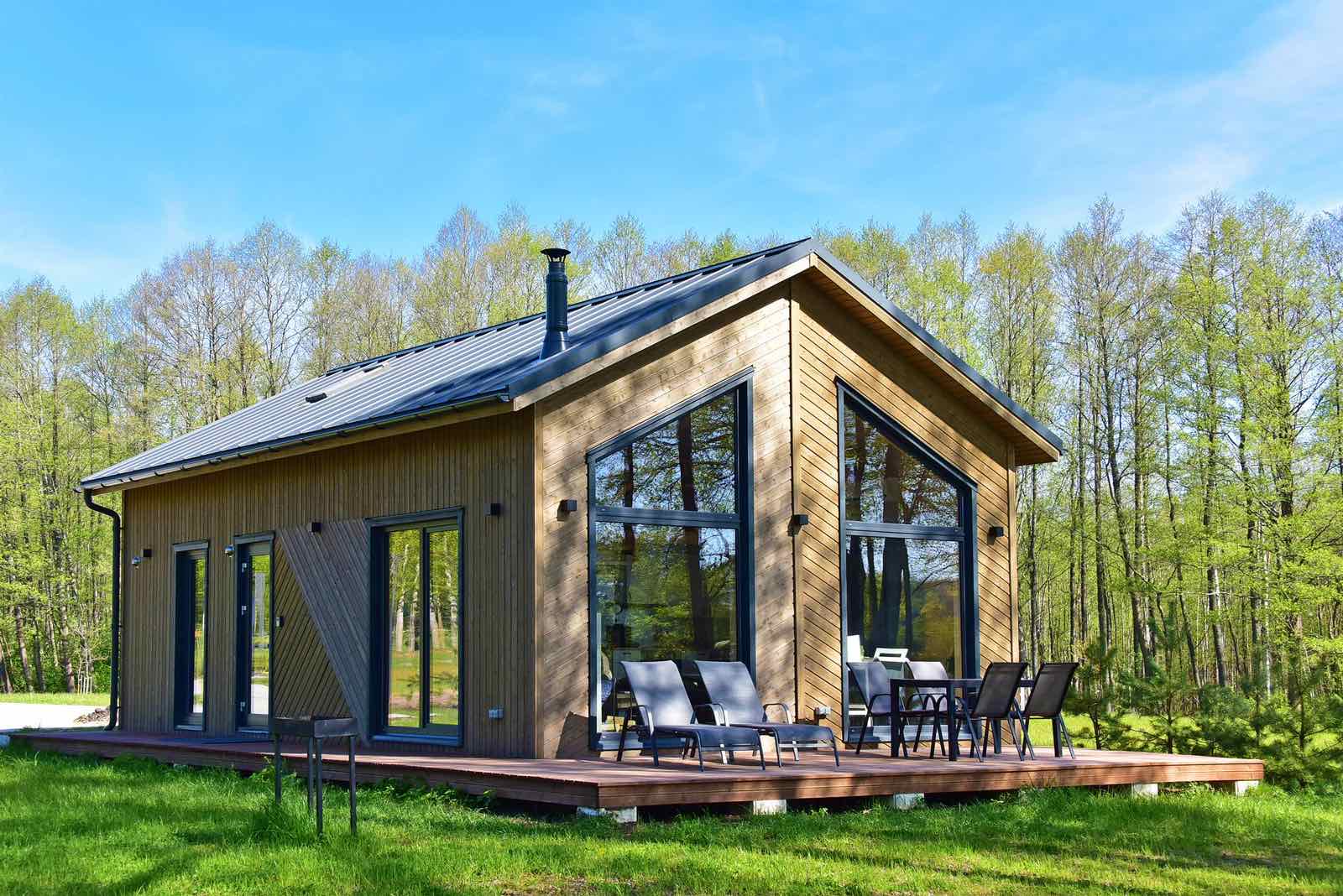
In recent years, the housing industry has experienced a significant transformation with the rise of prefabricated (prefab) shelters. These innovative structures, which are manufactured off-site and assembled on location, offer a range of benefits that address contemporary housing challenges such as affordability, sustainability, and efficiency. Prefab shelters, encompassing everything from temporary emergency housing to permanent residential units, are reshaping the way we think about construction and habitation.
Efficiency and Speed of Construction
One of the most compelling advantages of prefab shelters is the speed with which they can be built. Traditional construction methods often suffer from delays due to weather conditions, labor shortages, and logistical issues. In contrast, prefab shelters are produced in a controlled factory environment, allowing for consistent quality and minimal interruptions. Once the components are completed, they are transported to the site and quickly assembled. This streamlined process can reduce construction time by up to 50%, making prefab shelters an ideal solution for urgent housing needs, such as in disaster-stricken areas or for accommodating a rapidly growing population.
Cost-Effectiveness
Cost efficiency is another critical benefit of prefab shelters. Governments and non-profit organizations are increasingly turning to prefab shelters to address housing shortages and provide cost-effective solutions for low-income communities.The factory-based manufacturing process takes advantage of economies of scale, reducing material waste and labor costs. Furthermore, the speed of construction translates to lower overall expenses, as shorter building times mean reduced labor costs and less financing required. These savings can be passed on to consumers, making prefab shelters an attractive option for affordable housing initiatives.
Sustainability and Environmental Impact
Prefab shelters also offer significant environmental benefits. The controlled manufacturing environment allows for precise cutting of materials, leading to less waste compared to traditional construction sites. Additionally, many prefab shelters are designed with sustainability in mind, incorporating eco-friendly materials and energy-efficient systems. Solar panels, advanced insulation, and water-saving fixtures are common features in modern prefab designs. By reducing the carbon footprint associated with construction and operation, prefab shelters contribute to broader environmental goals and promote sustainable living practices.
Versatility and Design Flexibility
Another notable feature of prefab shelters is their versatility. They can be customized to meet a wide range of needs, from temporary shelters for refugees and disaster victims to luxurious, permanent residences. Prefab shelters come in various forms, including modular homes, tiny houses, and even multi-story buildings. This flexibility allows for creative and innovative designs that can cater to different tastes and requirements. Architects and designers are increasingly exploring the possibilities offered by prefab construction, leading to aesthetically pleasing and functional living spaces that challenge the outdated perception of prefab homes as uninspired or basic.
Quality and Durability
Contrary to some misconceptions, prefab shelters are not inferior in quality to traditionally built homes. In fact, the controlled manufacturing process often results in higher quality construction. Each component undergoes rigorous inspection before leaving the factory, ensuring that it meets strict standards. Additionally, prefab shelters are designed to be robust and durable, capable of withstanding transportation and assembly stresses. Many prefab homes are built to endure harsh weather conditions and have lifespans comparable to conventional houses.
Future Prospects
The future of prefab shelters looks promising as advancements in technology and materials continue to enhance their appeal. Innovations such as 3D printing, smart home integration, and improved sustainable materials are likely to drive further growth in the prefab industry. As more people become aware of the benefits of prefab shelters, demand is expected to increase, leading to even more innovative and efficient housing solutions.
Prefab shelters represent a revolutionary approach to modern housing, offering significant advantages in terms of efficiency, cost-effectiveness, sustainability, versatility, and quality. As the world faces ongoing challenges related to housing shortages and environmental concerns, prefab shelters are poised to play a crucial role in shaping the future of residential construction.
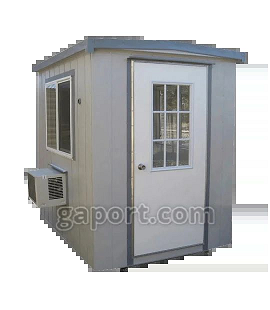
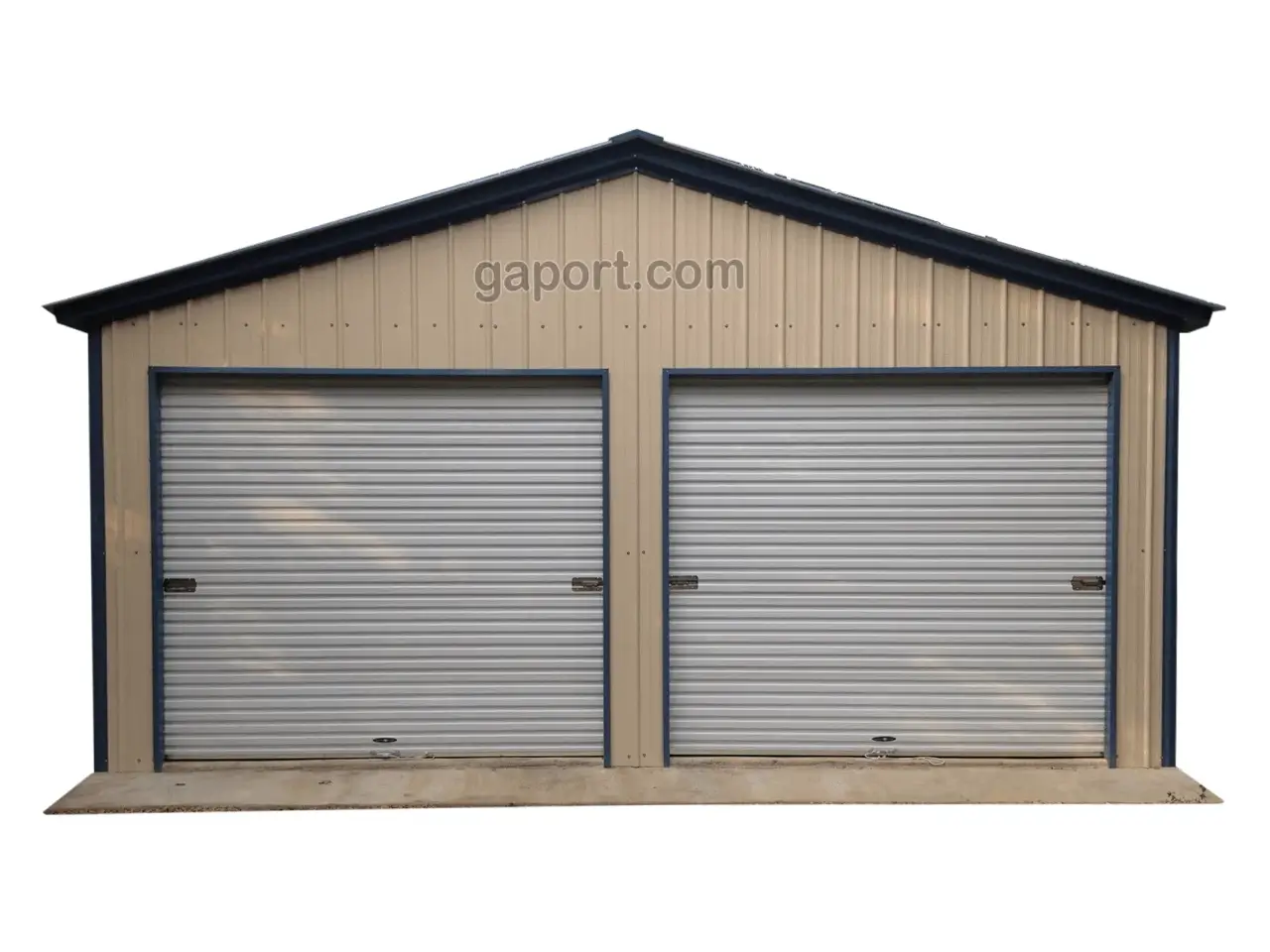
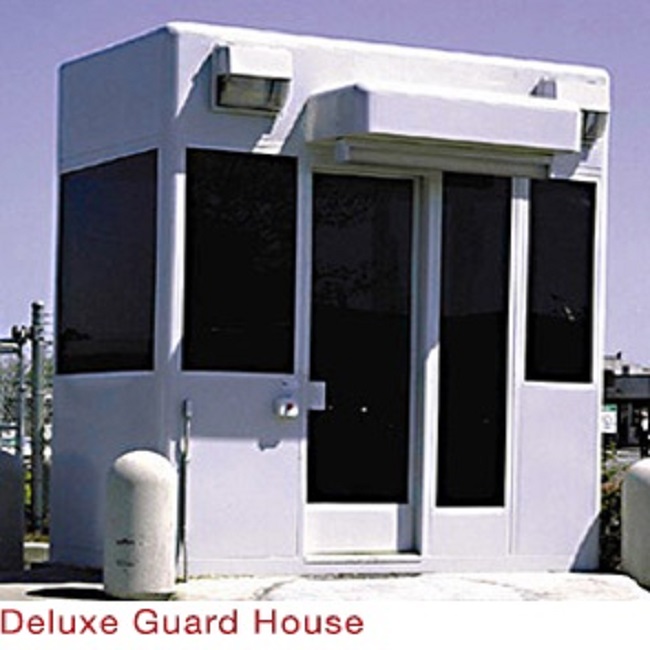
Looking for prefab shelters to protect people and goods.
Enterprises provides best range of prefab shelters which are suitable for multiple uses like Parking, smokers, bus line and many more.
Get in touch with B.I.G.