


In the ever-evolving landscape of Indian entrepreneurship, small and medium-sized enterprises (SMEs) play a pivotal role. Recognizing the need to support these businesses, the Government of India introduced the Udyam Aadhar registration, a simplified process aimed at streamlining the
registration of micro, small, and medium enterprises (MSMEs). This article delves into the significance of Udyam Aadhar, its benefits, and the step-by-step registration process, providing a comprehensive guide for aspiring entrepreneurs.
Understanding Udyam Aadhar
Udyam Aadhar is a unique identification number provided to MSMEs, introduced to simplify and digitize the registration process. This initiative, launched on July 1, 2020, replaced the earlier system of Udyog Aadhar Memorandum (UAM). The new process ensures greater transparency, reduces bureaucratic hurdles, and makes it easier for businesses to avail themselves of various government schemes and incentives.
Benefits of Udyam Aadhar Registration
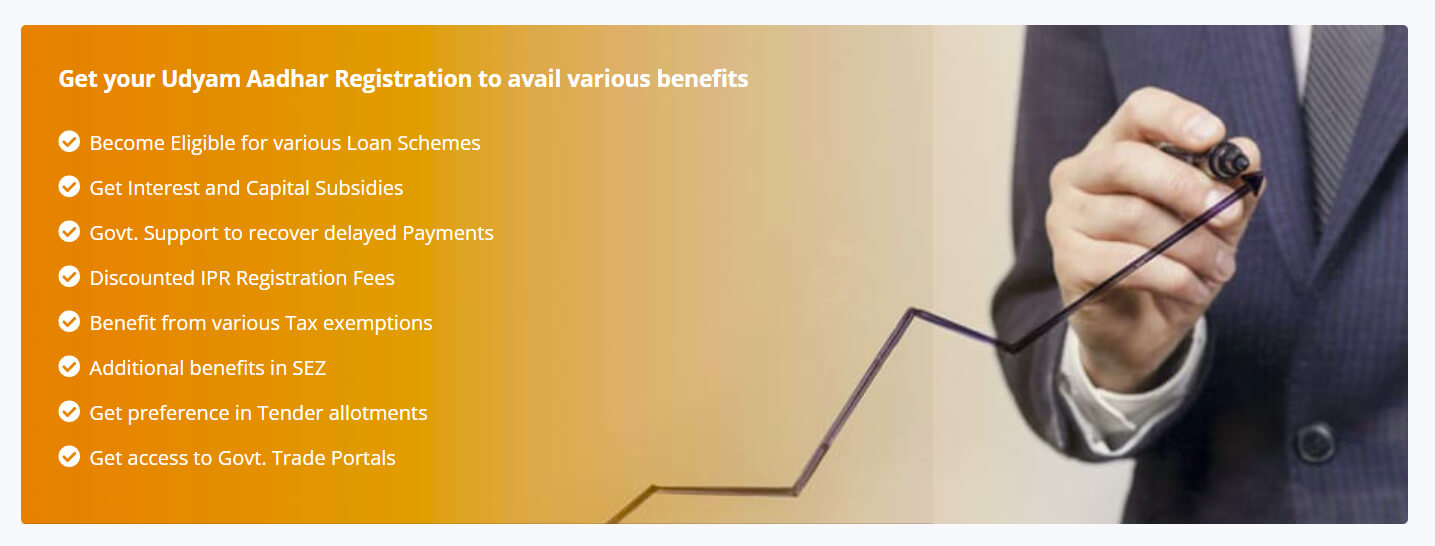
Access to Government Schemes: Registered MSMEs can access various subsidies, incentives, and schemes offered by the government, including credit facilitation, low-interest loans, and tax benefits.
Ease of Doing Business: Simplified registration enhances ease of doing business, allowing entrepreneurs to focus more on their core activities rather than bureaucratic processes.
Market Promotion: Registered businesses gain recognition in the market, enhancing their credibility and trustworthiness, which can attract more customers and business opportunities.
Protection against Delayed Payments: The Micro, Small, and Medium Enterprises Development (MSMED) Act offers protection against delayed payments from buyers, ensuring a steady cash flow for registered MSMEs.
Banking Benefits: Financial institutions provide collateral-free loans, credit rating support, and lower interest rates to registered MSMEs, facilitating easier access to finance.
Eligibility Criteria for Udyam Aadhar
To register under Udyam Aadhar, a business must fall under the micro, small, or medium enterprise category based on the following criteria:
Micro Enterprise: Investment in plant and machinery or equipment should not exceed INR 1 crore, and turnover should not exceed INR 5 crores.
Small Enterprise: Investment in plant and machinery or equipment should not exceed INR 10 crores, and turnover should not exceed INR 50 crores.
Medium Enterprise: Investment in plant and machinery or equipment should not exceed INR 50 crores, and turnover should not exceed INR 250 crores.
Step-by-Step Guide to Udyam Aadhar Registration
Step 1: Visit the Udyam Registration Portal
Access the official Udyam Registration portal at https://udyamregistration.gov.in.
Step 2: Enter Aadhaar Details
Enter the 12-digit Aadhaar number and the name of the entrepreneur as per the Aadhaar card. An OTP will be sent to the registered mobile number for verification.
Step 3: Fill in Business Details
Provide essential business details such as the type of organization, PAN number, location, bank details, and the date of commencement of the business.
Step 4: Classification and Activities
Select the appropriate classification of the enterprise (micro, small, or medium) and specify the primary business activity (manufacturing or services).
Step 5: Submit and Generate Udyam Aadhar
After filling in all the required details, click on the “Submit” button. An OTP will be sent for final verification. Upon successful verification, the Udyam Aadhar registration certificate will be generated and sent to the registered email address.
Conclusion
Udyam Aadhar registration is a significant step towards empowering MSMEs in India. By simplifying the registration process and offering a host of benefits, it encourages entrepreneurs to formalize their businesses and avail themselves of various government incentives.
As an entrepreneur, registering under Udyam Aadhar can pave the way for growth, stability, and success in the competitive business landscape. Take the first step today and unlock the potential of your enterprise with Udyam Aadhar.