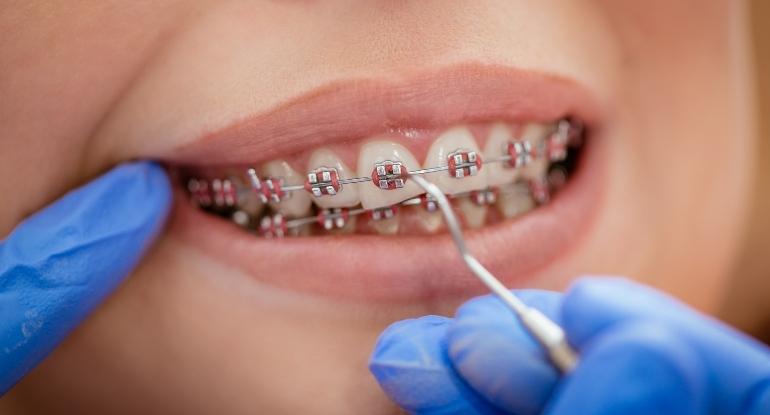
Braces are a common orthodontic treatment used to correct a variety of dental issues, from crooked teeth to misaligned bites. While the process of getting braces and caring for them might seem overwhelming, understanding the basics can make the journey smoother and more manageable. This blog will provide you with essential information about braces treatment and long-term oral care, helping you achieve a healthy and beautiful smile.
What Are Braces?
Braces are orthodontic devices designed to straighten teeth, correct bite issues, and improve overall dental health. They consist of brackets attached to each tooth and connected by wires and rubber bands. Over time, these components apply gentle pressure to the teeth, gradually moving them into the desired position.
Why Get Braces?
There are several reasons why someone might need braces:
- Crooked or Misaligned Teeth: Braces can straighten teeth that are crowded, crooked, or out of place.
- Bite Problems: Issues such as overbite, underbite, crossbite, and open bite can be corrected with braces.
- Jaw Alignment: Braces can help align the jaws properly, improving overall oral function.
- Spacing Issues: Whether it's gaps between teeth or overcrowding, braces can help create a more uniform smile.
Types of Braces
There are various types of braces available, each with its own set of benefits:
1. Traditional Metal Braces
Metal braces are the most common type and are made of high-grade stainless steel. They are durable, effective, and more comfortable than in the past. Metal braces are a popular choice for children and teenagers.
2. Ceramic Braces
Ceramic braces function similarly to metal braces but are made of clear or tooth-colored materials, making them less noticeable. They are a good option for those who want a more discreet treatment.
3. Lingual Braces
Lingual braces are placed on the inner side of the teeth, facing the tongue. This makes them invisible from the outside. However, they can be more challenging to clean and might take longer to get used to.
4. Clear Aligners
Clear aligners, such as Invisalign, are removable trays made of clear plastic that fit snugly over the teeth. They are nearly invisible and can be taken out for eating and cleaning, making them a convenient option for many people.

The Braces Treatment Process
The process of getting braces involves several stages, each critical to achieving the desired results:
1. Initial Consultation
The first step is an initial consultation with an orthodontist. During this visit, the orthodontist will examine your teeth, take X-rays, and discuss your treatment goals. They will then create a personalized treatment plan tailored to your needs. Improve your smile and boost your confidence. Visit Panache Dental for braces treatment in Panchsheel Park.
2. Placing the Braces
Once you decide to proceed with treatment, the orthodontist will place the braces on your teeth. This involves cleaning your teeth, applying a special adhesive, and attaching the brackets. The wire is then threaded through the brackets and secured with rubber bands. This process usually takes about one to two hours.
3. Regular Adjustments
Throughout the treatment, you will need to visit the orthodontist regularly (usually every 4-6 weeks) for adjustments. During these visits, the orthodontist will tighten the wires, check the progress of your teeth, and make any necessary adjustments to ensure your teeth are moving correctly.
4. Caring for Your Braces
Maintaining good oral hygiene is crucial while wearing braces. Here are some tips to help you care for your braces:
- Brush and Floss Regularly: Brush your teeth after every meal and floss daily to remove food particles and plaque.
- Use Special Tools: Consider using an interdental brush, floss threader, or water flosser to clean around the brackets and wires.
- Avoid Certain Foods: Stay away from sticky, hard, and sugary foods that can damage your braces or cause tooth decay.
- Wear a Mouthguard: If you play sports, wear a mouthguard to protect your braces and teeth from injury.
5. Completing the Treatment
The duration of braces treatment varies depending on the complexity of the case, but it typically ranges from 18 months to 3 years. Once your teeth have moved into their correct positions, the orthodontist will remove the braces. This process is usually quick and painless.
6. Using Retainers
After your braces are removed, you will need to wear a retainer to maintain the new position of your teeth. Retainers can be removable or fixed, and your orthodontist will provide instructions on how to care for and wear them. Wearing your retainer as directed is essential to prevent your teeth from shifting back to their original positions.
Long-Term Oral Care After Braces
Once your braces are off, maintaining good oral hygiene and regular dental visits is crucial to ensure your teeth stay healthy and in their new positions. Here are some tips for long-term oral care:
1. Maintain Good Oral Hygiene
- Brush Twice a Day: Use fluoride toothpaste and a soft-bristled toothbrush to clean your teeth thoroughly.
- Floss Daily: Flossing helps remove plaque and food particles from between your teeth and under the gumline.
- Use Mouthwash: An antimicrobial mouthwash can help reduce plaque and prevent gum disease.
2. Visit Your Dentist Regularly
Regular dental check-ups and cleanings are essential to monitor your oral health and catch any potential issues early. Your dentist can also provide professional cleaning to remove any plaque or tartar buildup that brushing and flossing might miss.
3. Follow a Healthy Diet
- Eat a Balanced Diet: A diet rich in fruits, vegetables, lean proteins, and whole grains supports overall oral health.
- Limit Sugary Foods and Drinks: Excess sugar can lead to cavities and tooth decay.
- Stay Hydrated: Drinking plenty of water helps wash away food particles and bacteria.
4. Wear Your Retainer
As mentioned earlier, wearing your retainer as instructed by your orthodontist is crucial to maintaining the position of your teeth. Be diligent about wearing your retainer, especially during the first few months after your braces are removed.
5. Avoid Harmful Habits
- Don’t Use Your Teeth as Tools: Avoid using your teeth to open packages or bite nails, as this can damage your teeth and any dental work.
- Stop Smoking: Smoking can stain your teeth and increase the risk of gum disease and oral cancer.
Conclusion
Braces treatment is a significant step towards achieving a healthier, more beautiful smile. By understanding the process and committing to good oral care, you can ensure that your investment in braces leads to long-lasting results. Whether you choose traditional braces, ceramic braces, lingual braces, or clear aligners, working closely with your orthodontist and following their advice will help you achieve the best possible outcome. Remember, the journey to a perfect smile doesn't end when the braces come off—maintaining good oral hygiene and regular dental visits are key to preserving your smile for years to come.