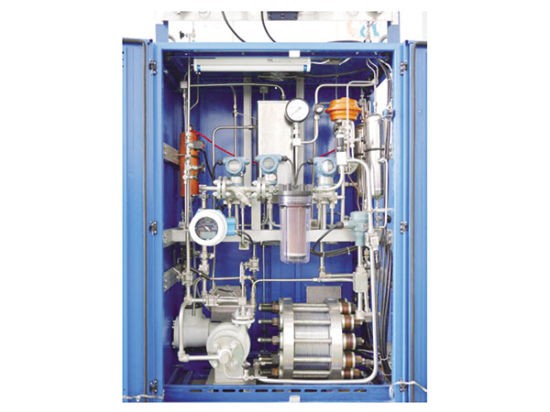
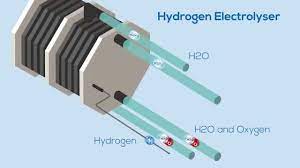
The global hydrogen electrolyzer market is experiencing remarkable growth as the world pivots towards cleaner and more sustainable energy solutions. Hydrogen, often dubbed the fuel of the future, is gaining traction due to its potential to reduce carbon emissions and provide a versatile energy source. Central to the production of green hydrogen is the electrolyzer, a device that uses electricity to split water into hydrogen and oxygen. This article explores the dynamics, drivers, and future prospects of the hydrogen electrolyzer market.
Understanding Hydrogen Electrolyzers
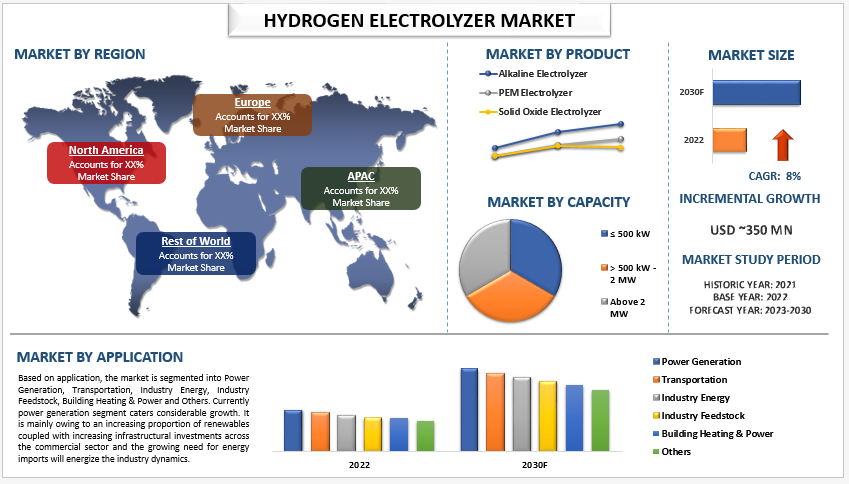
Hydrogen electrolyzers come in three main types: alkaline electrolyzers, proton exchange membrane (PEM) electrolyzers, and solid oxide electrolyzers. Each type has distinct advantages and applications. Alkaline electrolyzers are well-established, offering cost-effective and scalable solutions. PEM electrolyzers, known for their high efficiency and fast response times, are ideal for renewable energy integration. Solid oxide electrolyzers operate at high temperatures, making them suitable for industrial applications.
Market Drivers
Several factors are propelling the hydrogen electrolyzer market forward:
1. Environmental Regulations and Policies: Governments worldwide are implementing stringent regulations to curb carbon emissions. The European Union’s Green Deal and various national hydrogen strategies are prime examples. These policies are incentivizing the adoption of hydrogen technologies, including electrolyzers.
2. Renewable Energy Integration: The intermittent nature of renewable energy sources like wind and solar creates a need for efficient energy storage solutions. Hydrogen, produced via electrolysis during periods of excess renewable energy, can be stored and used when needed, enhancing grid stability and renewable energy utilization.
3. Technological Advancements: Continuous innovations are making electrolyzers more efficient, durable, and cost-effective. Advances in materials science, such as the development of new catalysts and membranes, are crucial in reducing the operational costs of electrolyzers.
4. Industrial Demand: Industries such as steel production, ammonia synthesis, and refining are significant hydrogen consumers. As these industries seek to decarbonize, the demand for green hydrogen is rising, driving the need for more electrolyzers.
5. Investment and Funding: Significant investments from both the private and public sectors are accelerating market growth. Major corporations are investing in hydrogen technologies, and government grants and subsidies are making projects financially viable.
For a comprehensive analysis of the market drivers https://univdatos.com/report/hydrogen-electrolyzer-market-2/
Market Challenges
Despite the positive outlook, the hydrogen electrolyzer market faces several challenges:
1. High Initial Costs: The capital expenditure for setting up electrolyzer plants is high. While operational costs are declining, the initial investment remains a barrier for many potential adopters.
2. Infrastructure Development: The existing hydrogen infrastructure is limited. Building a comprehensive hydrogen supply chain, including production, storage
, and distribution networks, requires significant time and financial resources.
3. Energy Efficiency: Although electrolyzer technology is improving, the process of water electrolysis is still energy-intensive. Ensuring that the electricity used is derived from renewable sources is crucial for the overall sustainability of hydrogen production.
4. Scalability: Scaling up production to meet growing demand without compromising efficiency and cost-effectiveness is a complex challenge. Manufacturing capabilities and supply chain logistics need to evolve concurrently.
Regional Market Insights
The hydrogen electrolyzer market exhibits varying dynamics across different regions:
- Europe: Europe is at the forefront of the hydrogen electrolyzer market, driven by ambitious climate goals and substantial investments. The European Green Deal aims to make Europe the first climate-neutral continent by 2050, and hydrogen is a key component of this strategy. Countries like Germany, France, and the Netherlands are investing heavily in hydrogen infrastructure and electrolyzer projects.
- North America: The United States and Canada are witnessing increased interest in hydrogen electrolyzers, particularly in sectors like transportation and industrial applications. Government incentives and private sector investments are fostering growth in this region.
- Asia-Pacific: This region is emerging as a significant player in the hydrogen electrolyzer market. Japan and South Korea have well-developed hydrogen strategies, with substantial investments in research and development. China is also expanding its hydrogen production capabilities, focusing on integrating hydrogen into its vast industrial base.
- Middle East and Africa: The abundant renewable energy resources in this region, especially solar power, present a significant opportunity for green hydrogen production. Countries like Saudi Arabia and the UAE are exploring large-scale hydrogen projects.
For a sample report, visit https://univdatos.com/get-a-free-sample-form-php/?product_id=48713
Future Outlook
The future of the hydrogen electrolyzer market looks promising, with several trends likely to shape its trajectory:
1. Cost Reduction: Continuous technological advancements and economies of scale are expected to drive down the costs of electrolyzers, making hydrogen more competitive with conventional fuels.
2. Sector Coupling: Integrating hydrogen production with various sectors, such as power generation, transportation, and industry, will enhance energy efficiency and foster a holistic approach to decarbonization.
3. Partnerships and Collaborations: Collaborations between governments, private companies, and research institutions will be crucial in overcoming technical and financial barriers, accelerating the deployment of hydrogen technologies.
4. Global Hydrogen Economy: The development of a global hydrogen economy, with international trade and standardized regulations, will facilitate the widespread adoption of hydrogen as a key energy carrier.
Conclusion
The hydrogen electrolyzer market is poised for significant growth as the world transitions towards a sustainable energy future. While challenges remain, the confluence of favorable policies, technological advancements, and increasing investments paints an optimistic picture. As electrolyzer technology continues to evolve, it will play a pivotal role in the global effort to achieve net-zero emissions and build a resilient, low-carbon economy.
Contact Us:
UnivDatos Market Insights
Email - contact@univdatos.com
Contact Number - +1 9782263411x
Website -www.univdatos.com
Hydrogen Electrolyzer Market report published by Value Market Research, which studies the future outlook of the market.
It includes the size, share, growth, trends, key players, segments and regional analysis in detail during the study year 2019-2027.The research report also covers the comprehensive profiles of the key players in the market and an in-depth view of the competitive landscape worldwide.
The major players in the Acta S.p.A, Ballard Power Systems, HyperSolar, Inc., ITM Power, Kingkar Eco-Technologies Co., Ltd., Plug Power Inc., Proton Power Control Pvt Ltd.,.This section includes a holistic view of the competitive landscape that includes various strategic developments such as key mergers & acquisitions, future capacities, partnerships, financial overviews, collaborations, new product developments, new product launches, and other developments.Get more information on "Global Hydrogen Electrolyzer Market Research Report" by requesting FREE Sample Copy at https://www.valuemarketresearch.com/contact/hydrogen-electrolyzer-market/download-sampleMarket SegmentationThe broad Hydrogen Electrolyzer market has been sub-grouped into the Type, Application and region.
The report studies these subsets with respect to the geographical segmentation.
The strategists can gain a detailed insight and devise appropriate strategies to target specific market.
This detail will lead to a focused approach leading to identification of better opportunities.By TypePolymer Electrolyte Membrane (PEM) ElectrolyzerAlkaline Water ElectrolyzerSolid Oxide ElectrolyzerBy ApplicationChemicalsAutomobileEnergyFood and BeveragesPharmaceutical & BiotechnologyElectronicsGlassOthersBy RegionNorth AmericaEuropeAsia PacificLatin AmericaMiddle East and AfricaBrowse Global Hydrogen Electrolyzer Market Research Report with detailed TOC at https://www.valuemarketresearch.com/report/hydrogen-electrolyzer-marketRegional Analysis Furthermore, the report comprises of the geographical segmentation which mainly focuses on current and forecast demand for Hydrogen Electrolyzer in North America, Europe, Asia Pacific, Latin America, and Middle East & Africa.