


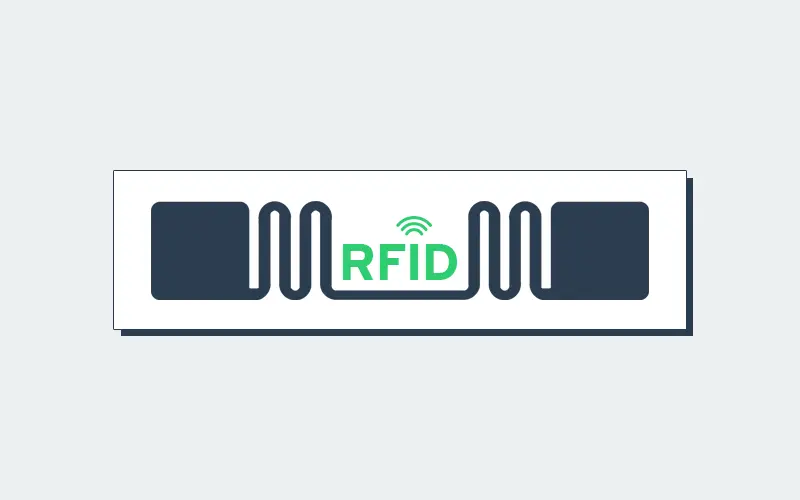
Hey there, fellow farmers and agriculture enthusiasts! Today, let's talk about an exciting technological innovation that is revolutionizing the way we monitor and manage our livestock and crops: RFID labels.
RFID, which stands for Radio Frequency Identification, is a system that uses electromagnetic fields to automatically identify and track tags attached to objects. These tags contain electronically stored information, which can be read by RFID readers. In the world of agriculture, RFID labels are being used to improve efficiency, accuracy, and overall productivity in a variety of ways.
One of the key benefits of using RFID labels in agriculture is the ability to accurately track and monitor livestock. By attaching RFID tags to animals, farmers can easily keep track of individual animals, monitor their health and well-being, and even track their movements throughout the farm. This allows for more efficient herd management, better tracking of breeding cycles, and improved inventory control. With RFID technology, farmers can quickly and accurately identify each animal, even in large herds, saving time and reducing the risk of errors.
In addition to livestock management, RFID labels are also being used in crop monitoring and management. By attaching RFID tags to plants, farmers can track the growth and health of individual crops, monitor environmental conditions, and even track the movement of produce throughout the supply chain. This level of monitoring and data collection allows farmers to make more informed decisions about planting, watering, fertilizing, and harvesting, leading to higher yields and better-quality produce.
RFID labels are also being used in agriculture to improve traceability and food safety. By attaching RFID tags to products, farmers can easily track the journey of their crops and livestock from the field to the table. This level of traceability can help farmers identify and address issues such as contamination, spoilage, or disease outbreaks, ensuring that only safe and high-quality products make it to market.
Overall, the use of RFID labels in agriculture is transforming the industry by providing farmers with real-time data, improved efficiency, and enhanced traceability. As technology continues to advance, we can expect to see even more innovative uses of RFID technology in agriculture, further improving productivity and sustainability in the farming sector.
So, next time you're out in the fields or tending to your livestock, consider the benefits of incorporating RFID labels into your operations. It may just be the key to unlocking greater efficiency and success on your farm.



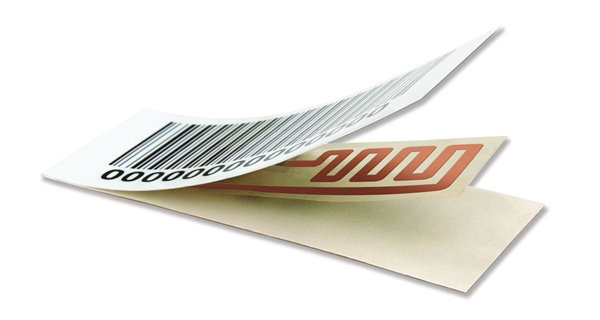

RFID Tags and Labels Market: OverviewThe global radio-frequency identification (RFID) tags and labels market is marked to be responsible for bringing a revolutionary change in the retail sector.
The integration of advanced technology such as RFID tagging into retail operation could invite a massive demand in the market.
However, there are other sales channels for manufacturers of RFID tags and labels to cash in on, viz.
business to business (B2B) and institutional.
RFID tags and labels are increasingly used in government-owned inventories and the aerospace and defense sectors for the purpose of using a significant mechanism to track and identify objects.As per the researchers authoring the report, the global RFID tags and labels market could be divided according to sales channel, application, and type of product, which is expected to see a further classification into RFID tags and RFID labels.
Amongst these, RFID labels could secure a higher market attractiveness in the foreseeable future.The report offers a brilliant evaluation of the global RFID tags and labels market while taking into account its growth factors, market deterrents, segmentation, and vendor landscape.