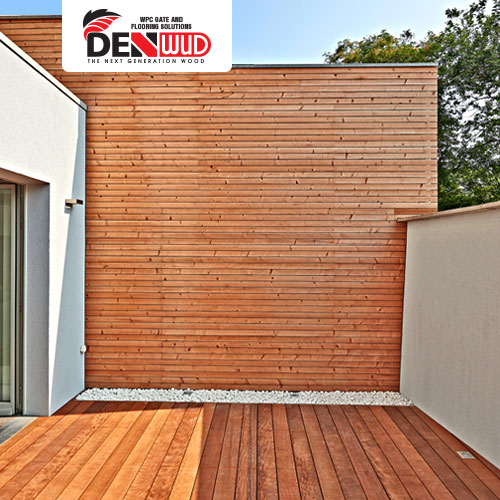
Wood Plastic Composite (WPC) boards are revolutionizing the construction and furniture industries due to their unique blend of natural wood and plastic. This innovative material offers a sustainable and versatile alternative to traditional wood, providing numerous benefits that make it an increasingly popular choice for various applications. In this article, we will explore what WPC boards are, their advantages, applications, and how they compare to traditional wood.
What Are WPC Boards?
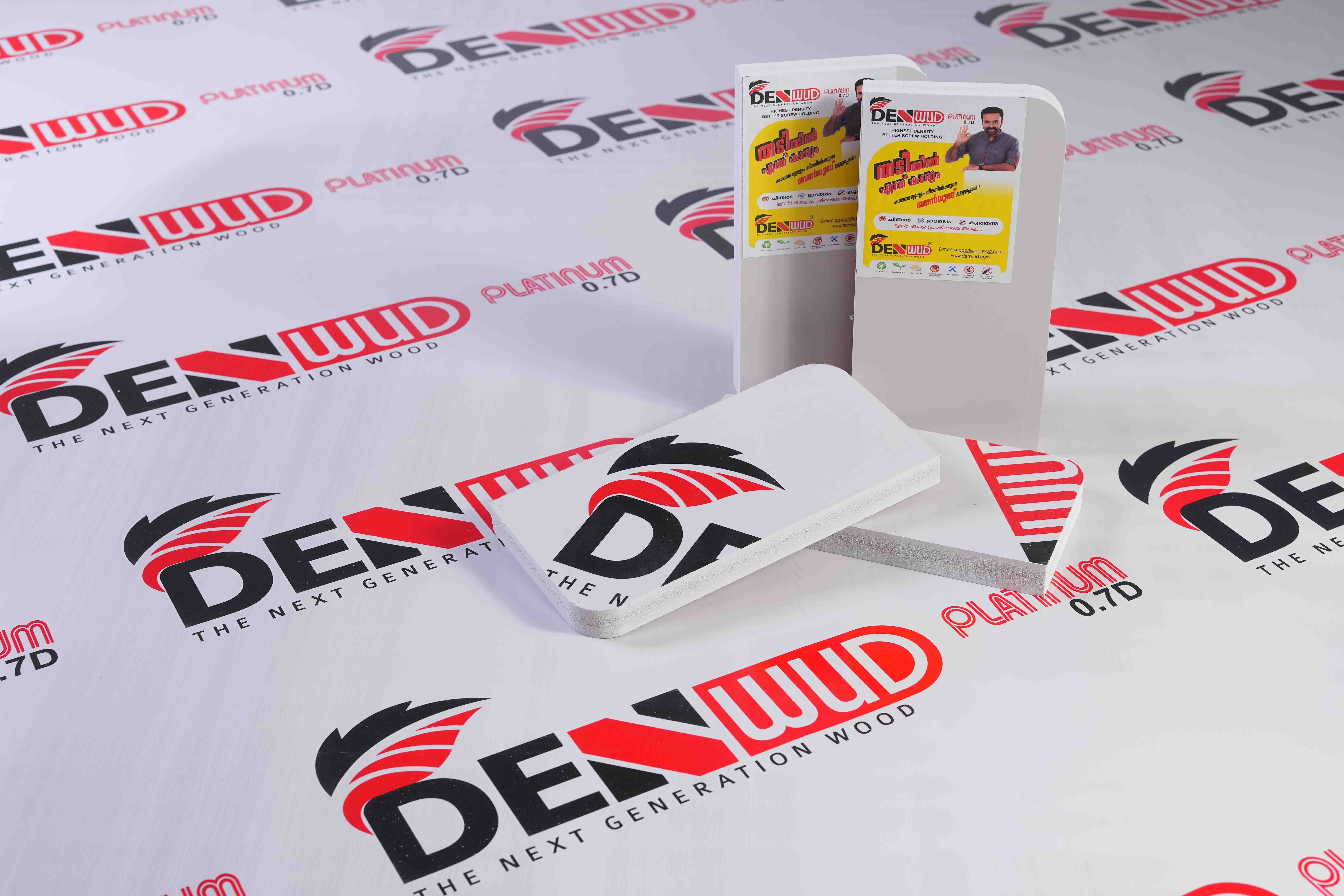
WPC boards are composite materials made by combining wood fibers or wood flour with thermoplastics such as polyethylene, polypropylene, or polyvinyl chloride. These components are mixed together and then extruded or molded into boards or other shapes. The result is a material that combines the natural appearance of wood with the durability and low maintenance of plastic.
Advantages of WPC Boards
- Durability:
- WPC boards are highly durable and resistant to rot, decay, and insect damage, making them ideal for outdoor use where traditional wood might deteriorate quickly.
- Low Maintenance:
- Unlike wood, WPC boards do not require regular staining, painting, or sealing. They are easy to clean and maintain, saving time and effort.
- Environmental Sustainability:
- WPC boards are often made from recycled materials, including recycled plastics and wood waste. This helps reduce environmental impact and promotes sustainable practices.
- Weather Resistance:
- WPC boards can withstand harsh weather conditions, including heavy rain, strong sunlight, and high humidity. They do not warp, crack, or splinter like traditional wood.
- Aesthetic Appeal:
- WPC boards have a natural wood-like appearance and can be customized with various finishes and colors. They provide a modern and aesthetically pleasing look for both indoor and outdoor applications.
- Termite and Pest Resistance:
- The plastic content in WPC boards makes them resistant to termites and other pests, which can be a significant issue with natural wood.
- Versatility:
- WPC boards can be used in a wide range of applications, from decking and fencing to furniture and interior design elements.
Applications of WPC Boards
- Decking:
- WPC decking is one of the most popular applications due to its durability and weather resistance. It provides a safe, non-slip surface that is ideal for outdoor areas.
- Fencing:
- WPC boards are used to create long-lasting, low-maintenance fences that can withstand the elements and provide privacy and security.
- Cladding:
- Exterior cladding made from WPC boards offers protection and aesthetic appeal to buildings, combining the look of wood with the performance of plastic.
- Furniture:
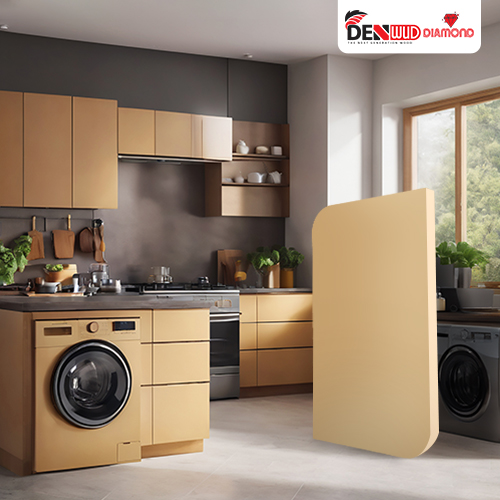
- WPC boards are increasingly used in furniture manufacturing, providing a durable, attractive, and eco-friendly option for both indoor and outdoor furniture.
- Interior Design:
- WPC boards can be used for wall panels, partitions, ceilings, and other interior design elements, offering a modern and sustainable alternative to traditional materials.
- Signage and Display Boards:
- Due to their durability and ease of customization, WPC boards are ideal for signage and display boards in both commercial and residential settings.
Comparing WPC Boards to Traditional Wood
- Durability: WPC boards are generally more durable than traditional wood, especially in outdoor applications. They do not rot, warp, or splinter, and are resistant to pests and harsh weather conditions.
- Maintenance: Traditional wood requires regular maintenance, including painting, staining, and sealing. In contrast, WPC boards are low maintenance and easy to clean.
- Environmental Impact: While traditional wood can contribute to deforestation and environmental degradation, WPC boards are often made from recycled materials and promote sustainable practices.
- Cost: The initial cost of WPC boards may be higher than traditional wood, but the long-term savings on maintenance and replacement make them a cost-effective option.
Conclusion
WPC boards offer a unique combination of the natural look and feel of wood with the durability and low maintenance of plastic. Their numerous advantages, including weather resistance, environmental sustainability, and versatility, make them an excellent choice for a wide range of applications, from decking and fencing to furniture and interior design. As the demand for sustainable and high-performance building materials continues to grow, WPC boards are set to play a significant role in the future of construction and design. Whether you are a homeowner, builder, or designer, considering WPC boards for your next project could provide you with a durable, attractive, and eco-friendly solution.
Ready to transform your space with the benefits of WPC boards. Contact us today to learn more and get started on your next project!
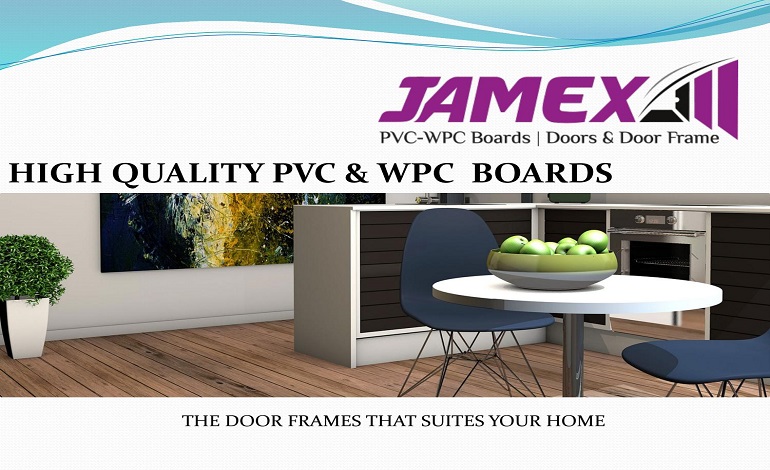
Jamex pvc/wpc manufacturers provide the best quality wpc/pvc Doors, pvc/wpc Boards, wpc/pvc door frames, product supply and manufacturers in Hyderabad,India