Introduction
Welcome to the exciting world of 3D measurement technologies and their revolutionary impact on various industries. In this article, we will explore the incredible advancements made in the field of 3D measurement and how it has transformed the way we design, manufacture, and analyze products. Specifically, we will focus on the remarkable capabilities of 3D optical scanners and their wide-ranging applications. So, let's dive in and discover how these technologies are shaping the future!
3D Measurement Technologies
3D measurement technologies refer to the methods and tools used to capture the physical shape and dimensions of objects in a three-dimensional space. These technologies enable us to accurately measure and represent real-world objects in a digital format, allowing for in-depth analysis, visualization, and replication. By capturing the geometry and texture of an object, 3D measurement technologies provide a wealth of information that can be utilized in various industries.
Advantages of 3D Measurement Technologies
Before delving into the specific applications of 3D measurement technologies, let's take a moment to highlight some of the key advantages they offer:
- Accuracy: 3D measurement technologies provide highly precise and accurate measurements, ensuring minimal margin of error.
- Efficiency: These technologies enable rapid data acquisition, reducing the time taken for measurements and analysis.
- Non-contact: Unlike traditional measurement methods, 3D measurement technologies do not require physical contact with the object being measured, minimizing the risk of damage or alteration.
- Visualization: The generated 3D models allow for interactive visualization and virtual manipulation, aiding in better understanding and decision-making.
- Scalability: 3D measurement technologies can be applied to objects of various sizes, from tiny components to large structures, making them versatile for a wide range of industries.
3D Optical Scanners
Among the different 3D measurement technologies available, 3D optical scanners have gained significant prominence due to their exceptional capabilities. These scanners utilize advanced optical systems to capture the surface geometry of objects with high precision. By projecting patterns of light onto the object and analyzing the reflected light, 3D optical scanners create detailed 3D representations of the object's shape.
How do 3D Optical Scanners work?
3D optical scanners employ various techniques for data acquisition, including:
- Laser Triangulation: This method involves projecting a laser line or dot onto the surface of the object and measuring the distortion of the reflected light to determine the object's shape.
- Structured Light: With this approach, a known pattern of projected light is captured by one or more cameras, and by analyzing the deformation of the pattern on the object's surface, a 3D model is generated.
- Photogrammetry: By taking multiple photographs of an object from different angles and using specialized software to analyze the differences in the images, a 3D model can be reconstructed.
Once the data is acquired, it is processed using sophisticated algorithms to construct a digital representation of the object's surface. The resulting 3D model can be further refined, analyzed, and utilized for a wide range of applications.
Applications in Various Industries
The remarkable capabilities of 3D optical scanners have paved the way for numerous applications across various industries. Let's explore some of the prominent sectors benefiting from these technologies:
1. Manufacturing and Engineering
In the manufacturing and engineering fields, 3D optical scanners play a vital role in product design, assembly, quality control, and reverse engineering. These scanners enable precise measurement of components, ensuring proper fit and alignment. They also assist in detecting manufacturing defects, reducing rework, and optimizing production processes. Furthermore, 3D optical scanners facilitate reverse engineering by capturing the dimensions of existing objects and generating accurate 3D models for replication or modification.
2. Architecture and Construction
Architects, engineers, and construction professionals extensively use 3D optical scanners for building documentation, site analysis, and structural analysis. These scanners allow for the creation of accurate as-built models of buildings, capturing intricate details of architectural elements. They also aid in analyzing structural integrity, identifying potential deviations, and ensuring compliance with design specifications. Additionally, 3D optical scanners contribute to the preservation of historical sites and heritage buildings by creating digital archives for documentation and restoration purposes.
3. Healthcare and Medical Research
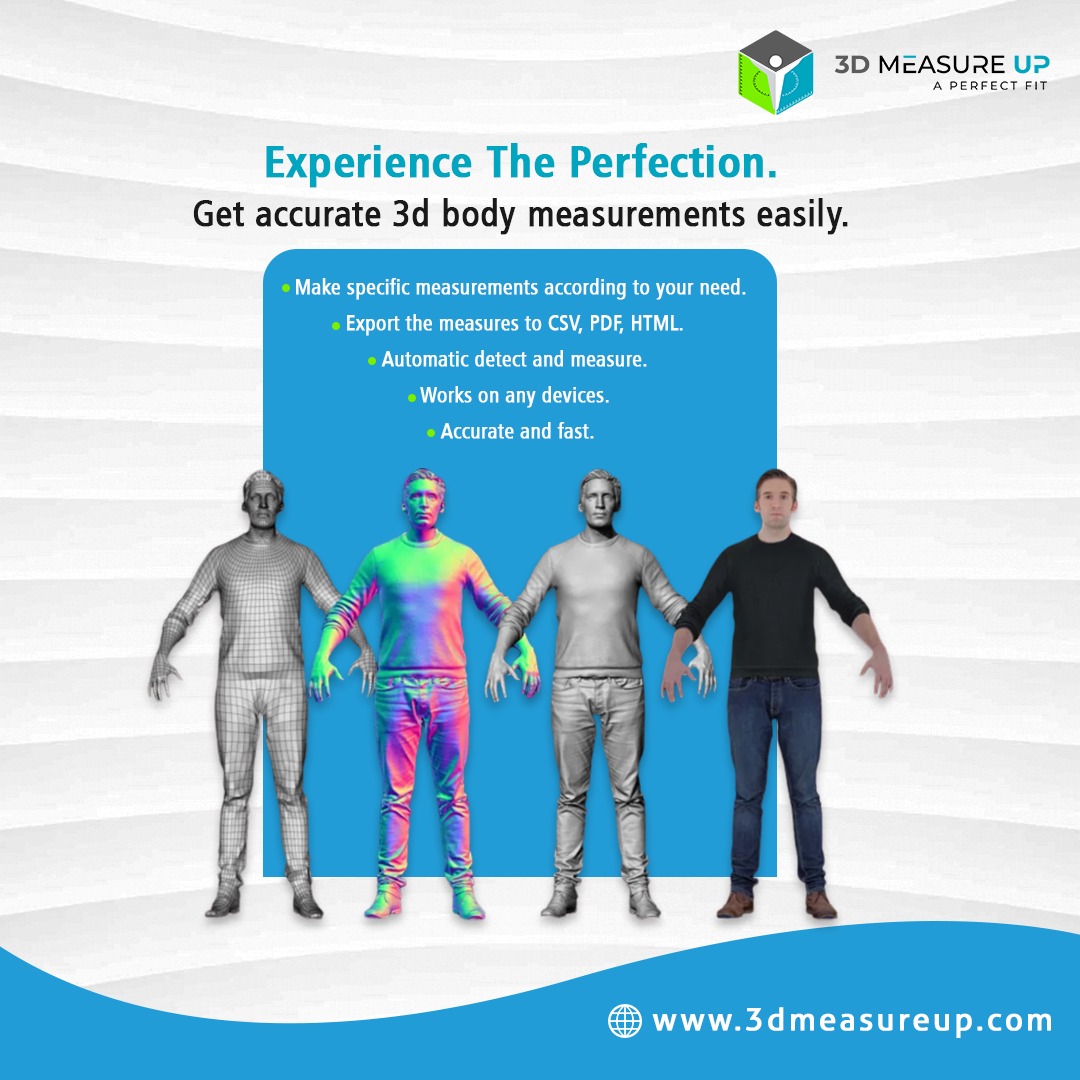
The healthcare industry has greatly benefited from 3D measurement technologies, particularly in areas such as prosthetics, orthotics, and medical research. 3D optical scanners enable the customization of prosthetic devices by capturing precise measurements of patients' bodies and creating tailored designs. They also assist in the development of orthotics and patient-specific implants. In medical research, 3D measurement technologies facilitate the analysis of anatomical structures, aiding in the understanding of complex diseases and the planning of surgical procedures.
4. Arts and Entertainment
3D optical scanners have found their way into the world of arts and entertainment, revolutionizing the creation of digital visual effects, animation, and virtual reality. These scanners help in capturing real-world objects, characters, and environments, which can then be used as references for digital artists. They also assist in the development of realistic 3D models for video games, movies, and augmented reality experiences. Additionally, 3D optical scanners enable the preservation and restoration of cultural heritage artifacts, facilitating virtual exhibitions and immersive experiences.
5. Forensics and Crime Scene Investigation
Forensic investigators rely on 3D optical scanners to accurately document crime scenes and gather evidence. These scanners capture detailed information about the scene, including the position of objects, blood spatter patterns, and bullet trajectories. This enables investigators to recreate the crime scene digitally and analyze the evidence in a more comprehensive and accurate manner. 3D measurement technologies enhance the precision and efficiency of forensic investigations, aiding in criminal justice processes.
6. Automotive and Aerospace
In the automotive and aerospace industries, 3D optical scanners are used for quality control, design verification, and aerodynamic analysis. These scanners ensure the accurate measurement of critical components, helping in detecting manufacturing defects and deviations. They also aid in assessing the aerodynamic performance of vehicles and aircraft by capturing the surface contours and identifying areas of turbulence. 3D measurement technologies contribute to improving safety, optimizing fuel efficiency, and enhancing overall product performance.
The Future of 3D Measurement Technologies
As technology continues to advance, the future of 3D measurement technologies looks extremely promising. Key areas of development include:
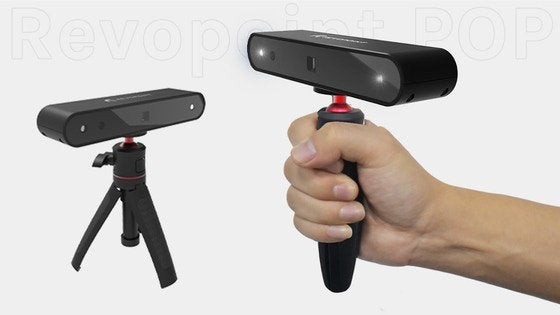
- Miniaturization: 3D measurement devices are becoming more compact and portable, allowing for easy integration into various industries and applications.
- Higher Speed and Resolution: Advancements in hardware and algorithms are enabling faster data acquisition and higher resolution, resulting in more detailed and accurate 3D models.
- Integration with Artificial Intelligence: The combination of 3D measurement technologies with AI algorithms opens up new possibilities for automation, intelligent analysis, and decision-making.
- Real-time Monitoring and Control: The ability to capture and analyze 3D data in real-time enables proactive monitoring and control in industries such as robotics, automation, and quality assurance.
- Advancements in Materials and Textures: 3D measurement technologies are evolving to capture not just geometry but also intricate surface details, colors, and textures with greater accuracy.
Conclusion
3D measurement technologies, with a special emphasis on 3D optical scanners, have undoubtedly revolutionized various industries by providing accurate, efficient, and non-contact methods of measurement. The applications of these technologies are vast and diverse, ranging from manufacturing and engineering to healthcare, arts, and forensics. With ongoing advancements and future developments, we can expect even more remarkable capabilities and widespread adoption of 3D measurement technologies. As industries continue to harness the power of 3D measurement, we are bound to witness further innovation and transformation in the years to come.