





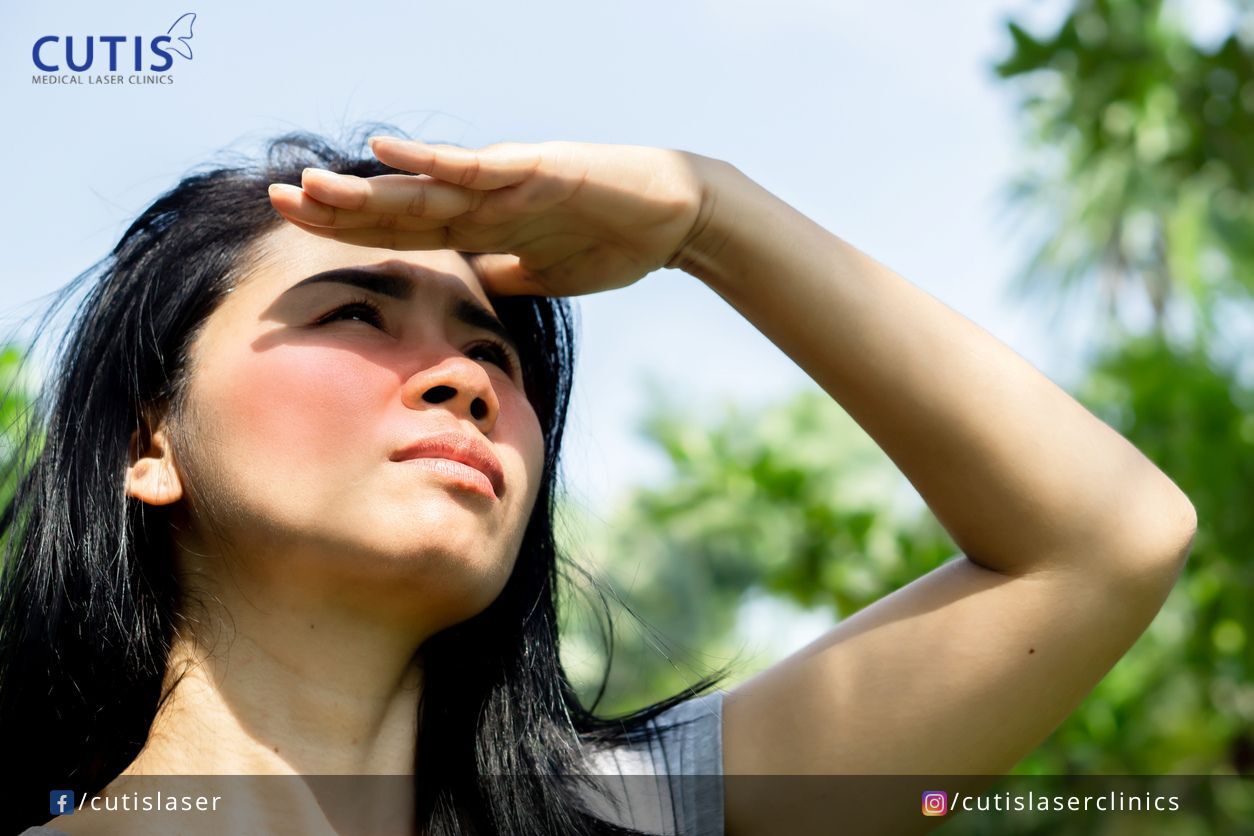
Many of us know that the sun’s ultraviolet (UV) rays are one of the skin’s worst enemies. And despite this, a lot of us still bask in the sun a little too long or neglect sun protection, especially on cloudy days. We are not so concerned about the cumulative effects of UV damage, which in most cases, take years before becoming visible.
How does the sun damage your skin?
One of the most notable effects of too much sun exposure is that it dries out the skin by depleting it of its natural oils and moisture. UV rays, furthermore, prematurely age your skin and cause DNA damage that can increase your risk of skin cancer. Below are the most common types of skin damage.
- Sunburn – appears quickly after prolonged and unprotected UV exposure. Mild sunburn causes painful reddening and inflammation or skin that feels hot to touch, while severe cases cause fluid-filled blisters that may pop or peel to reveal tender skin underneath.
- Suntan – refers to the darkening of the skin due to sun exposure. Compared to darker skin, fairer skin has decreased self-protection in the sun and is therefore more likely to burn and susceptible to sun damage.
- Photoaging – is the premature aging of the skin due to exposure to UV radiation from the sun or artificial sources. Common signs of photoaging include spider veins (telangiectasia) on the face, loss of elasticity, fine lines and wrinkles around the eyes and mouth, pigment changes, and thinning of the skin.
- Pigmentation changes – or uneven skin pigmentation is the skin’s way of protecting itself from the damaging effects of the sun. The skin creates more melanin or brown pigment that can alter the skin’s color, resulting in pigmentation, which may include:
- Solar lentigines – are sometimes called liver spots or age spots. They appear as flat and darkened spots or patches due to UV-induced extra pigmentation.
- Melasma – is a skin condition that causes large patches of skin pigmentation (usually appearing on the forehead and cheeks) due to sun damage and hormonal changes. It is sometimes referred to as the mask of pregnancy and can get worse after sun exposure.
- Freckles – can be inherited or occur due to sun damage. They are flat and circular and appear in clusters or areas frequently exposed to the sun, such as the face and forearms. It is common for freckles to become darker during the summer months.
- Actinic keratoses – are small, scaly patches of sun-damaged skin that have a reddish or brownish tint. These develop from years of sun exposure and are commonly found on the face, lips, forearms, scalp, neck, or back of hands. Actinic keratoses require treatment or removal by a physician.
- Increased risk of melanoma or other types of skin cancers – may happen due to repeated cases of sunburn and prolonged/unprotected UV exposure. Anyone can develop skin cancer, but some may have a higher risk, such as those with light skin, eyes, or hair, a history of sunburns, or a family history of skin cancers.
To Know more visit us at: https://www.cutislaserclinics.com/blog/what-age-does-sun-damage-start-to-show/





Do you want to get rid of all signs of aging and other skin diseases, which you are facing from years?
If yes, you need to get in touch with leading aesthetic medical clinics in Singapore.
At such stops, you will find industry’s finest skin doctors, specialists or dermatologists, and cosmetic surgeons, who have good command over treating all types of skin problems like acne, pigmentation, signs of aging such as wrinkles, fine lines, dullness, dark spots or blemishes, etc.
Moreover, they hold massive experience in treating skin patients with latest technology treatments like laser rays, and rest of cosmetic skin surgical methods, which are trending at present in the medical field.
It is not over, you will experience organic skincare treatments done by skilled dermatologists in Singapore to treat varied skin issues like acne, scars, blemishes, fine lines, wrinkles, etc.
You will get excellent treatments for all types of skin problems from genuine skin specialists and dermatologists in Singapore at reasonable charges.Skin Specialists or Dermatologists in SingaporeThere are many renowned aesthetic medical clinics in Singapore, which are right sources to find highly experienced skin specialists and dermatologists of the industry.
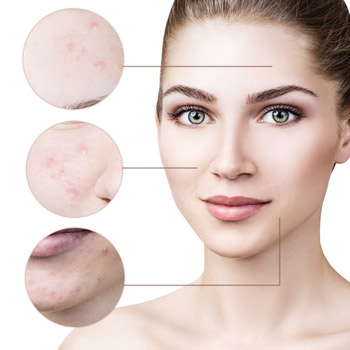
Acne scars are treated by cosmetic procedures such as chemical peels,subscision, laser resurfacing.
Best acne scar treatment in Hyderabad, acne scar removal acne marks, pimple scars, acne laser treat, pimple marks removal acne marks removal, best serum for acne scars acne scars on face.