In the realm of electronics and electrical engineering, thermal management is crucial to ensure the optimal performance and longevity of components. At the heart of effective thermal management lies the thermal heat sink, a critical component designed to dissipate heat and maintain a device's temperature within safe limits. This article delves into the basics of thermal heat sinks, their applications, and insights from leading heat sink manufacturers.
A thermal heat sink is a passive heat exchanger that absorbs heat generated by an electronic or mechanical device and dissipates it into the surrounding environment. By transferring thermal energy away from the device, heat sinks help maintain optimal operating temperatures, preventing overheating and potential damage.
How Does a Thermal Heat Sink Work?
The functionality of a thermal heat sink is based on three fundamental mechanisms of heat transfer: conduction, convection, and radiation.
- Conduction: Heat is conducted from the hot surface of the electronic component to the heat sink.
- Convection: The heat sink then transfers the heat to the surrounding air. This process can be natural (passive) convection, where air moves over the heat sink fins due to temperature differences, or forced convection, where fans increase airflow.
- Radiation: Finally, a small portion of heat is radiated away from the heat sink's surface.
Types of Thermal Heat Sinks
Thermal heat sinks come in various forms and materials, each suited to different applications:
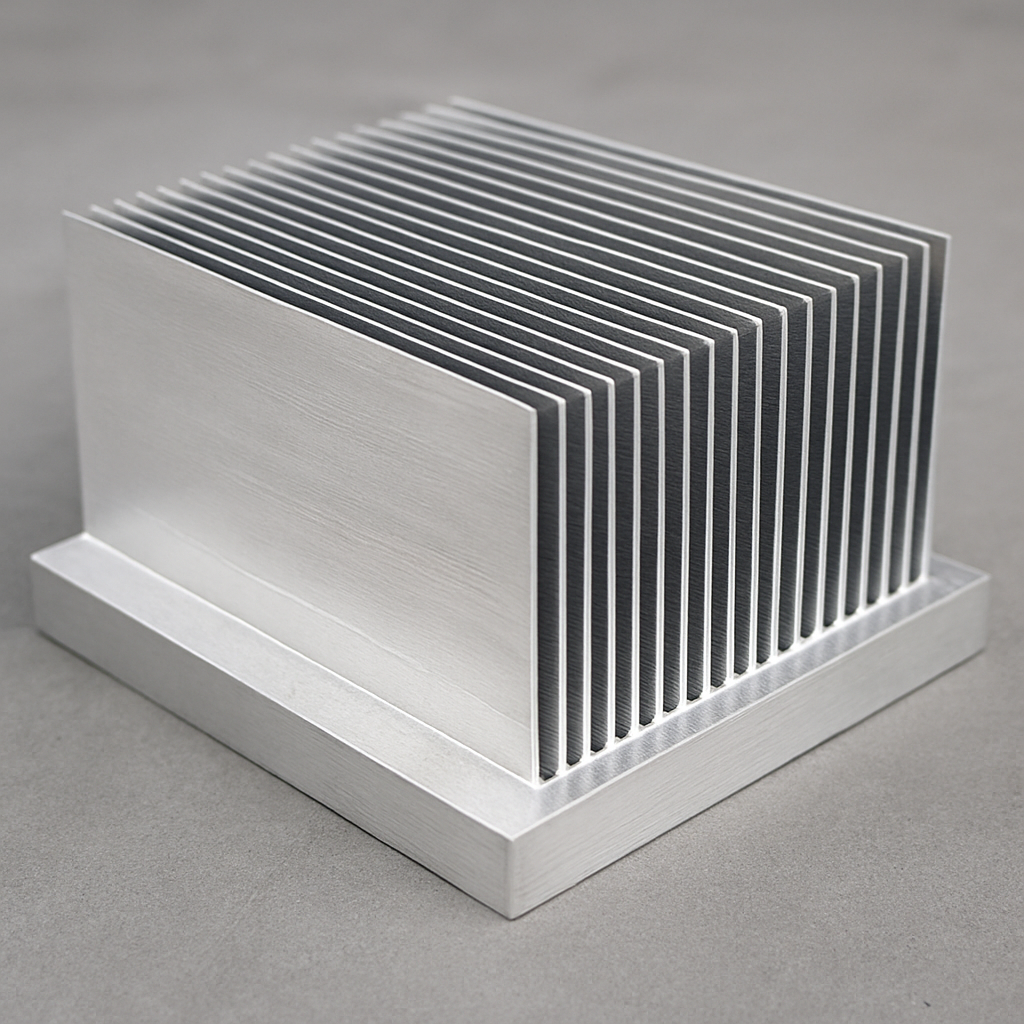
- Finned Heat Sinks: Featuring multiple fins to increase surface area, these are commonly used in CPUs and GPUs.
- Pin Fin Heat Sinks: Utilize cylindrical pins instead of fins, offering efficient heat dissipation in compact designs.
- Extruded Heat Sinks: Made from extruded aluminum, these are cost-effective and widely used in power electronics.
- Bonded Fin Heat Sinks: Combine multiple materials to enhance thermal performance, ideal for high-power applications.
- Skived Heat Sinks: Manufactured from a single piece of metal, providing excellent thermal conductivity and mechanical strength.
Applications of Thermal Heat Sinks
Heat sinks are ubiquitous in modern technology, finding applications across various industries:
- Consumer Electronics: Smartphones, laptops, and gaming consoles rely on heat sinks to manage the heat generated by processors and GPUs.
- Automotive: Heat sinks are used in electric vehicles to cool battery packs and power electronics, ensuring efficient operation.
- LED Lighting: High-intensity LEDs generate significant heat, necessitating heat sinks to prolong their lifespan and maintain brightness.
- Renewable Energy: Solar inverters and wind turbine controllers use heat sinks to manage the heat from power conversion processes.
- Industrial Machinery: Heat sinks are critical in cooling motors, transformers, and other high-power equipment.
Insights from Heat Sink Manufacturers
Leading heat sink manufacturer continuously innovate to improve thermal management solutions. They employ advanced materials, such as copper and graphite, and incorporate cutting-edge manufacturing techniques like 3D printing and CNC machining to enhance heat sink performance.
Additionally, customization is a significant trend in the industry. Manufacturers work closely with clients to design heat sinks tailored to specific requirements, optimizing dimensions, materials, and fin configurations for maximum efficiency. This bespoke approach ensures that heat sinks meet the unique demands of diverse applications, from compact consumer gadgets to large-scale industrial systems.
Thermal heat sinks are indispensable in maintaining the efficiency and reliability of electronic and mechanical systems. By understanding their basics, types, and applications, one can appreciate their vital role in modern technology. As heat sink manufacturers continue to innovate and refine their designs, the future promises even more effective thermal management solutions, enabling the advancement of ever-more powerful and compact electronic devices.