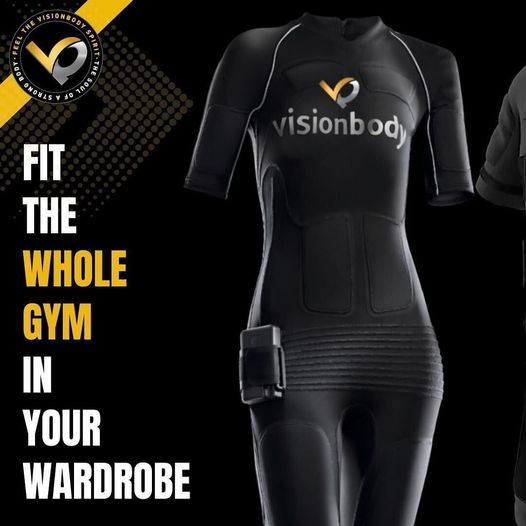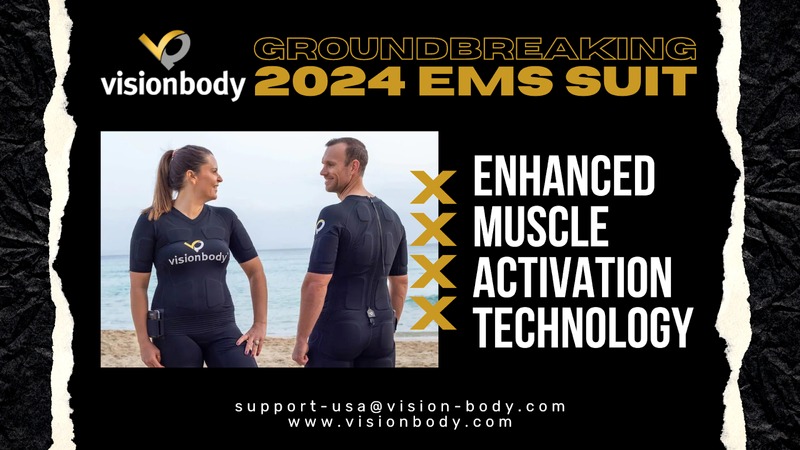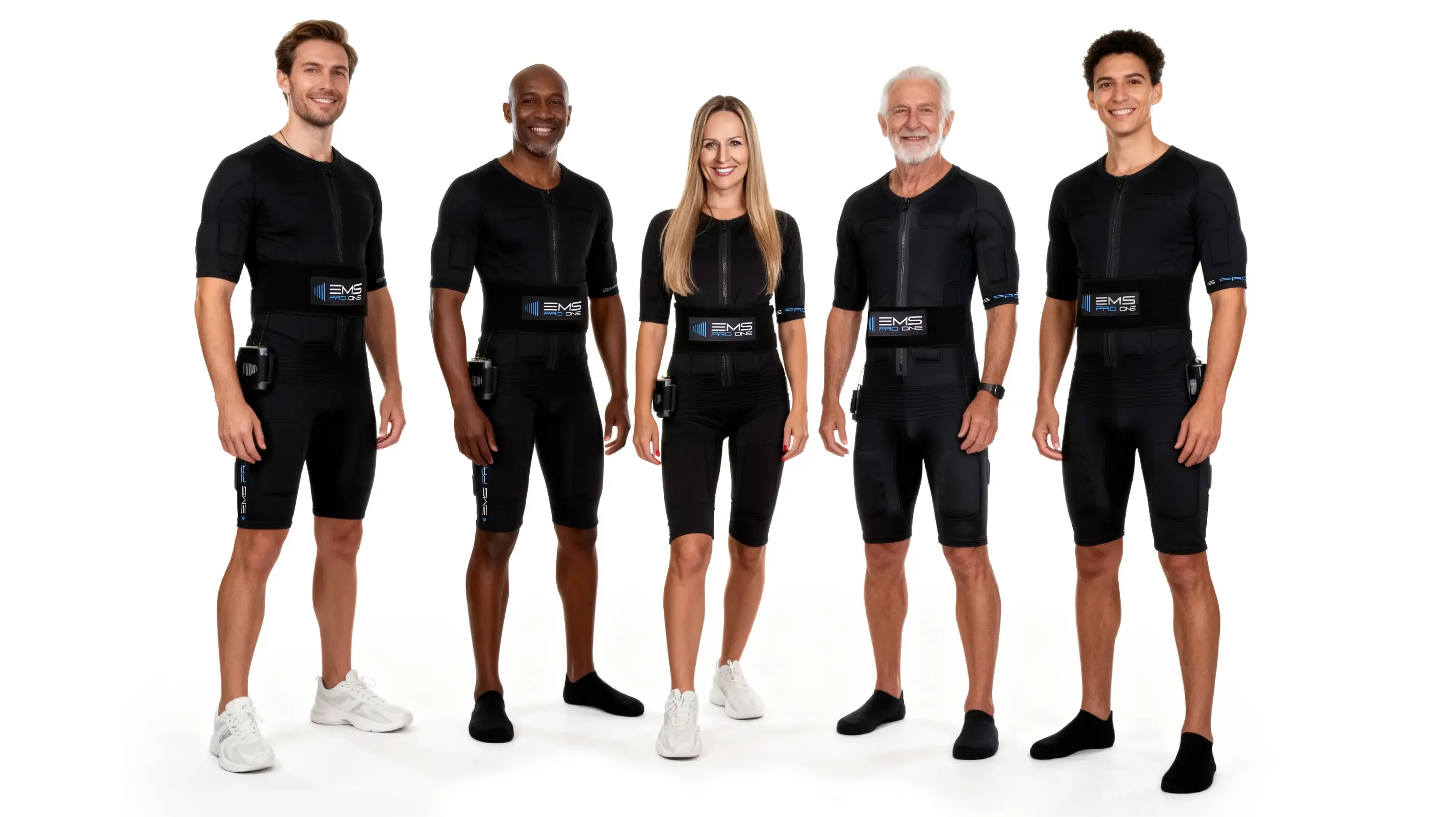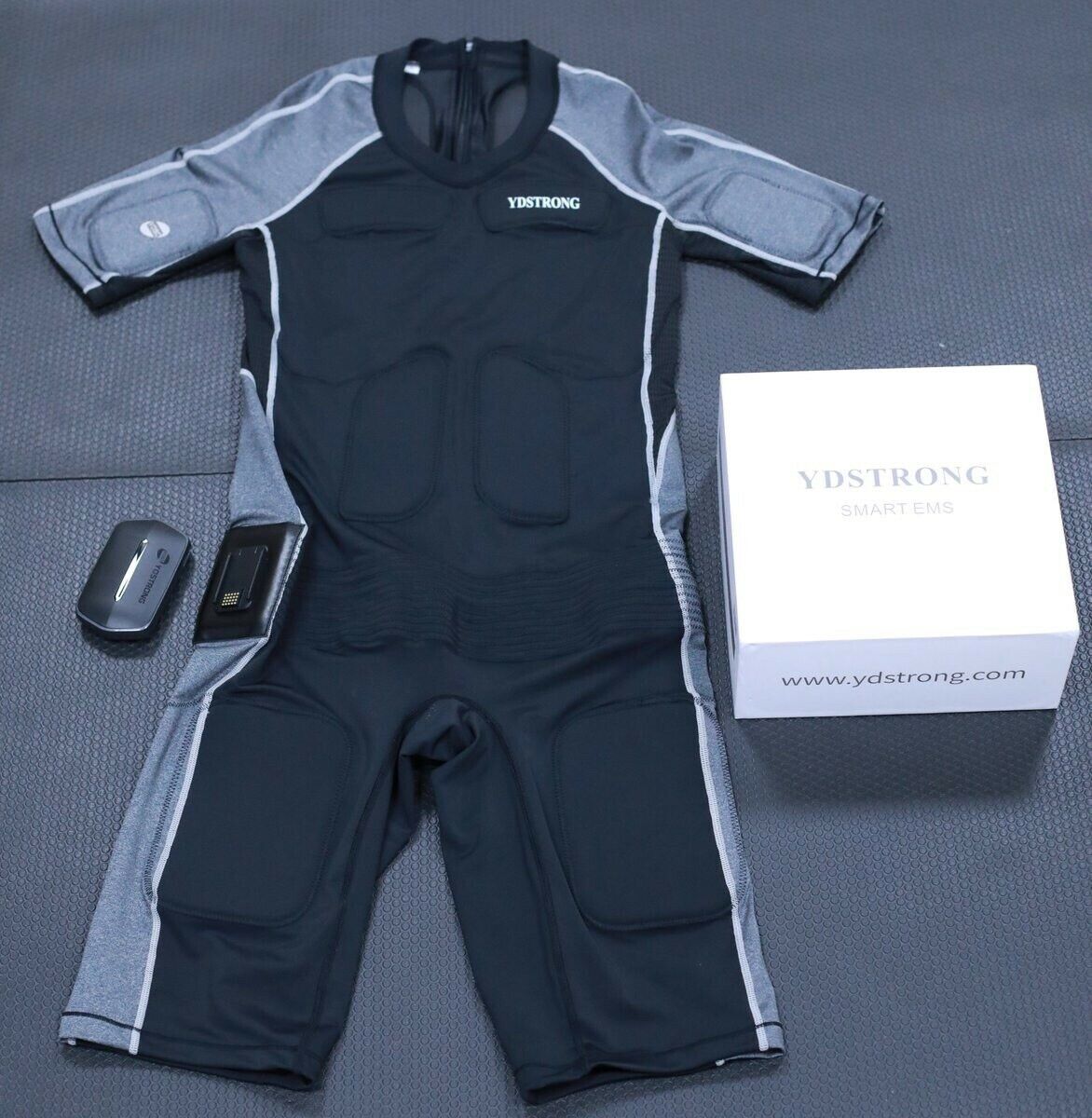


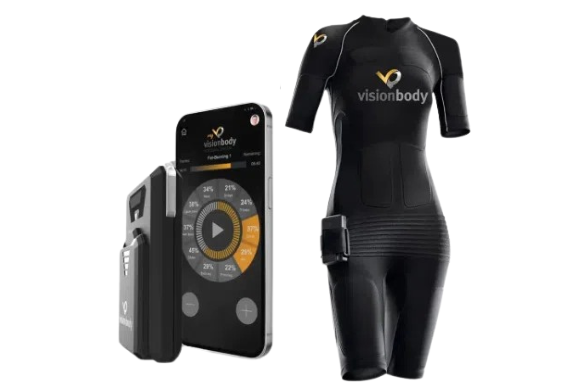
In the realm of electronic therapy devices, Electrical Muscle Stimulation (EMS) suits and Transcutaneous Electrical Nerve Stimulation (TENS) units are prominent options, each serving unique purposes. As technology evolves, companies like VisionBody are leading the way with innovative solutions such as their 10-channel wireless EMS workout suit, the 12-channel Ultimate EMS body suit, and EMS pants. This article explores the differences between these devices, focusing on their functionality, use cases, and the scenarios where one might be preferable over the other.
How Does the Functionality of EMS Differ from TENS?
The core difference between EMS exercise suits and TENS lies in their primary functions and the mechanisms they employ. EMS body suits are designed to induce muscle contraction using electrical impulses, effectively simulating a workout, and enhancing muscle strength and rehabilitation. This functionality makes them ideal for fitness and rehabilitation contexts.
In contrast, TENS units are primarily used for pain relief. They work by delivering electrical pulses across the skin to help manage pain, not by causing muscle contraction but by interrupting pain signals before they reach the brain, a technique known as pain gating.
What are the Specific Use Cases for EMS Body Suits vs. TENS?
EMS workout suits, like those offered by VisionBody, are geared towards enhancing physical training and muscle rehabilitation. These suits can be used to:
- Boost strength and endurance as part of a fitness routine.
- Aid in muscle recovery post-exercise.
- Help in rehabilitation after injuries.
TENS units, on the other hand, are predominantly used for pain management. They are often utilized by individuals suffering from conditions like:
- Chronic pain syndromes.
- Post-surgical pain.
- Labor pain.
Can Full Body EMS Suits Provide Pain Relief Similar to TENS Units?
While EMS exercise suits are primarily intended for muscle conditioning and rehabilitation, they can incidentally provide some degree of pain relief. This relief is mostly due to muscle relaxation and improved circulation after a workout. However, they are not specifically designed for pain management like TENS units, which are optimized to block pain signals and are often used in clinical settings for this purpose.
How Does the Stimulation Intensity Compare Between EMS and TENS?
The stimulation intensity of full body EMS suits and TENS units varies significantly due to their different applications. Using an EMS workout suit involves high intensity electric frequencies to ensure effective muscle contraction, suitable for muscle growth and recovery. This intensity is carefully controlled to mimic natural muscle contractions during exercises.
TENS, however, uses lower intensity currents that are enough to interfere with pain signals without necessarily causing muscle contraction. This makes TENS more focused on comfort and pain relief, allowing users to wear the device for longer periods, often several hours at a time.
Are There Any Scenarios Where TENS is Preferable Over EMS?
There are definite scenarios where TENS units might be preferable over full body EMS suits:
· When the primary need is pain relief rather than muscle conditioning.
· In cases where muscle contraction might exacerbate a condition or injury.
· For individuals seeking a non-invasive pain management therapy that can be used frequently and for extended periods.
VisionBody’s lineup of EMS workout suits, including their comprehensive range from wireless suits to EMS pants, caters to a growing demand for high-tech fitness solutions. While these suits offer remarkable benefits in muscle conditioning and rehabilitation, TENS units remain a staple for those solely focused on pain management. Understanding the specific needs and outcomes associated with each technology will guide consumers in choosing the right device for their health and fitness goals.