

Introduction
Welcome to our step-by-step guide on implementing a 3D product configurator on your website. In today's digital age, online product customization has become a crucial component for businesses looking to provide a personalized shopping experience to their customers. With the advancement of technology, integrating a 3D product configurator can take your website to the next level, allowing customers to visualize and customize products in real-time. In this article, we will walk you through the process of mastering online product customization and help you enhance your website's user experience.
Website Product Configurator
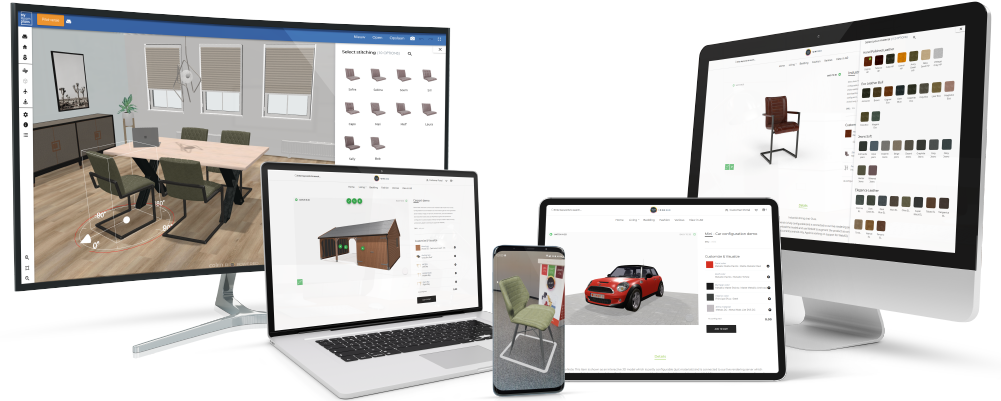
A website product configurator is a powerful tool that enables customers to personalize and design products according to their preferences. It allows them to choose various options such as colors, sizes, materials, and additional features, providing a unique and tailored experience. Implementing a website product configurator not only enhances customer engagement but also boosts sales by offering customized products.
Here are the key steps to consider when implementing a website product configurator:
Step 1: Define Your Product Customization Options
Before diving into the implementation process, it's essential to identify the customization options you want to offer to your customers. Analyze your products and determine which aspects can be personalized. This could include colors, patterns, materials, sizes, engraving options, and more. Understanding your target audience's preferences and market trends will help you decide on the most relevant customization options.
Step 2: Choose the Right 3D Product Configurator Software
Once you've defined your customization options, it's time to select the 3D product configurator software that best fits your needs. Look for software that supports the specific features you want to offer, provides realistic 3D rendering, and integrates seamlessly with your website platform. Popular options include Threekit, Sketchfab, and 3D Slash. Evaluate each software's features, user-friendliness, and pricing to make an informed decision.
Step 3: Integrate the 3D Product Configurator into Your Website
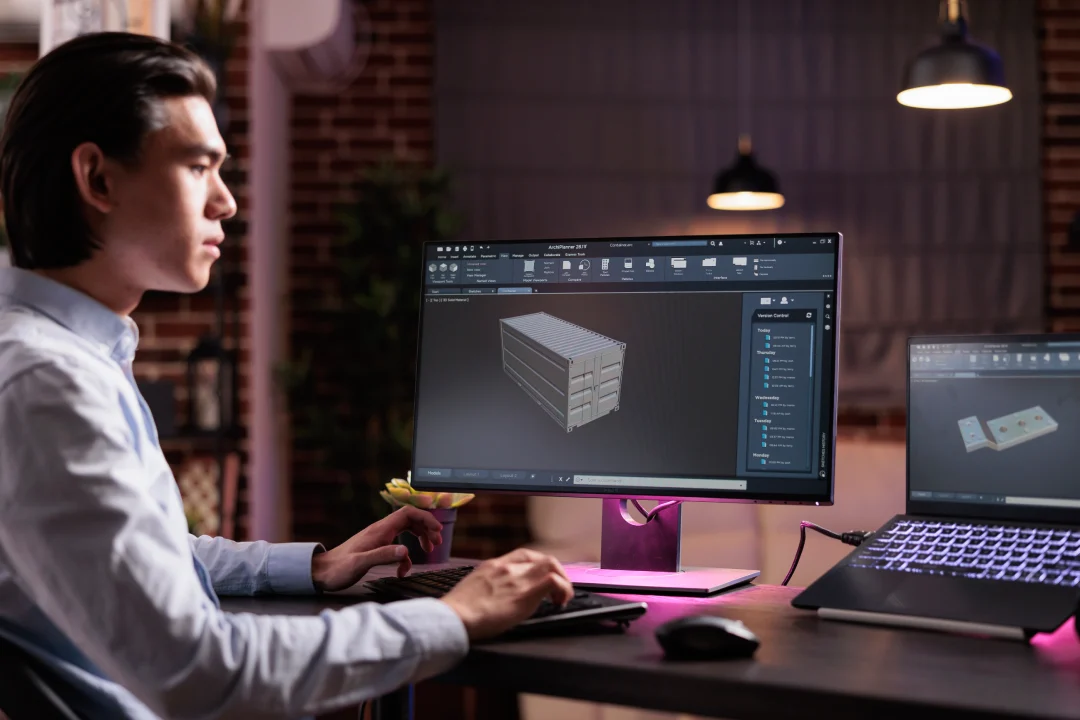
After choosing the right software, it's time to integrate the 3D product configurator into your website. Collaborate with your web development team or hire professionals specializing in 3D product configurators to ensure a smooth implementation process. The configurator should seamlessly blend with your website's design and provide a user-friendly interface for customers to interact with.
Step 4: Upload 3D Models and Customization Options
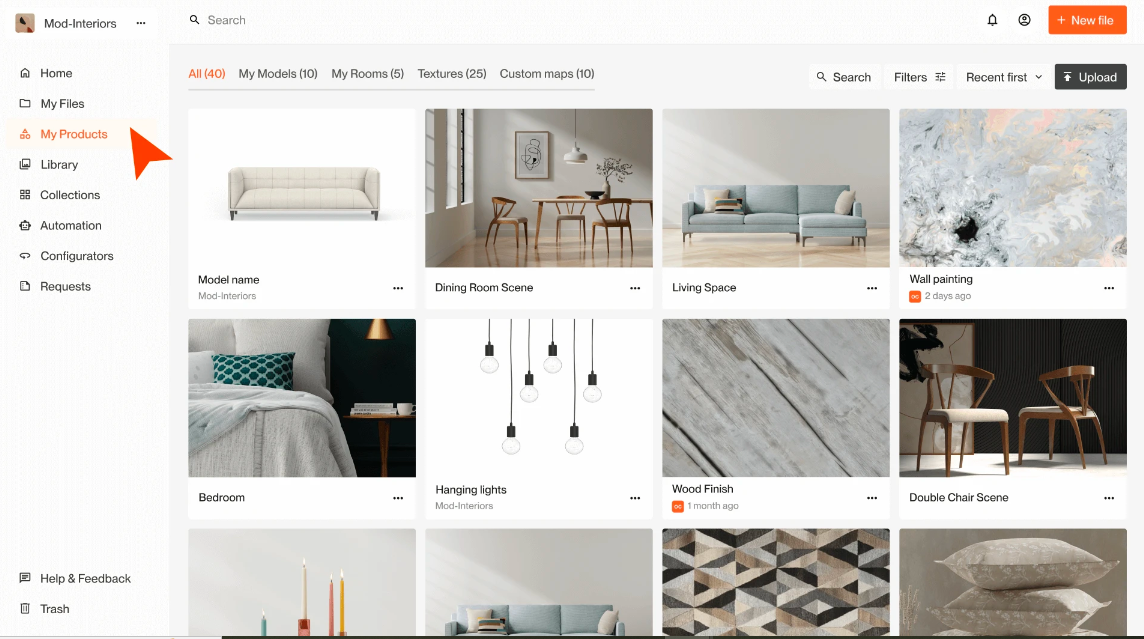
Once the configurator is integrated into your website, you need to upload the 3D models of your products and define the customization options you identified in Step 1. Ensure that the 3D models accurately represent the physical products and provide high-quality visuals for customers to visualize their customizations effectively. The customization options should be intuitive and easy to navigate.
Step 5: Provide Real-Time Rendering and Pricing
One of the key advantages of a 3D product configurator is the ability to provide real-time rendering and pricing. Ensure that the configurator updates the product visuals instantly as customers make changes to their customizations. Additionally, display the updated pricing dynamically to keep customers informed about the cost implications of their choices. Transparency in pricing builds trust and helps customers make informed decisions.
Step 6: Test and Optimize
Before launching the 3D product configurator on your website, thoroughly test its functionality across different devices and browsers. Conduct user testing sessions to gather feedback and identify areas for improvement. Optimize the configurator based on user feedback to enhance the user experience and maximize customization options.
3D Product Customization: A Game-Changer in E-Commerce
3D product customization has revolutionized the e-commerce industry by providing customers with an immersive and personalized shopping experience. With the ability to visualize products in 3D and customize them to their liking, customers feel a greater sense of ownership and connection with their purchases.
Here are the key benefits of implementing 3D product customization:
Enhanced Customer Engagement
A 3D product configurator sparks customer curiosity and encourages exploration. By allowing customers to interact with a product virtually, you provide them with an engaging and interactive shopping experience. This increased engagement reduces bounce rates and keeps customers on your website for longer, ultimately boosting conversions.
Increased Sales and Conversion Rates
By offering customizable options, you provide customers with a product that perfectly matches their preferences and needs. Personalized products have a higher perceived value, often resulting in increased sales and improved conversion rates. Moreover, the ability to visualize customized products reduces hesitation and uncertainty, leading to more confident purchasing decisions.
Reduced Product Returns and Complaints
When customers can visualize and customize products in real-time, they gain a realistic understanding of what they are purchasing. This reduces the likelihood of post-purchase dissatisfaction, resulting in fewer product returns and complaints. The accuracy and transparency provided by 3D product configurators contribute to customer satisfaction and loyalty.
Market Differentiation and Competitive Advantage
Implementing a 3D product configurator sets your business apart from competitors by offering a unique and innovative shopping experience. It establishes you as an industry leader that embraces technology and customer-centricity. This market differentiation and competitive advantage can drive increased brand visibility and customer acquisition.
Online Product Customization: Catering to Individual Tastes
Online product customization allows businesses to cater to individual tastes and preferences, ensuring customer satisfaction and loyalty. With the ability to tailor products to their liking, customers feel a greater sense of ownership and connection with their purchases. Here are some strategies to implement effective online product customization:
Simplify the Customization Process
Make sure your website product configurator provides a seamless and user-friendly customization process. Avoid overwhelming customers with too many options or complex interfaces. Simplify the customization process by organizing options into logical categories, using visual aids, and providing clear instructions. The goal is to create an intuitive and enjoyable experience for customers.
Offer Visual References
Visual references are essential to help customers make informed customization decisions. Provide high-quality images, videos, and 3D models that accurately depict the product and its customizable components. Visual references enhance the shopping experience and reduce the risk of unintended customization choices.
Enable Social Sharing and Collaboration
Implement features that allow customers to share their customizations on social media platforms or collaborate with others. This encourages social validation, word-of-mouth marketing, and a sense of community around your brand. Additionally, it provides valuable insights into trending customization options and can inspire new customers.
Offer Personalization Assistance
Some customers may require guidance or have specific customization requests that go beyond the options provided. Offer personalized assistance through live chat, email support, or phone calls. This proactive approach demonstrates your commitment to customer satisfaction and builds trust.
Gather Customer Feedback
Regularly collect customer feedback regarding your online product customization process. Conduct surveys, analyze customer reviews, and engage in social listening. Identify areas for improvement and implement changes based on customer preferences and evolving market trends.
Conclusion
Implementing a 3D product configurator on your website is a game-changer that can propel your business to new heights. By offering online product customization, you provide customers with a personalized and engaging shopping experience that leads to increased sales, reduced returns, and improved customer satisfaction. Follow our step-by-step guide to master online product customization and stay ahead of the competition. Remember to continuously optimize and adapt your customization options to meet the ever-changing demands of your target audience. Embrace the power of 3D product customization and elevate your e-commerce business to new dimensions!