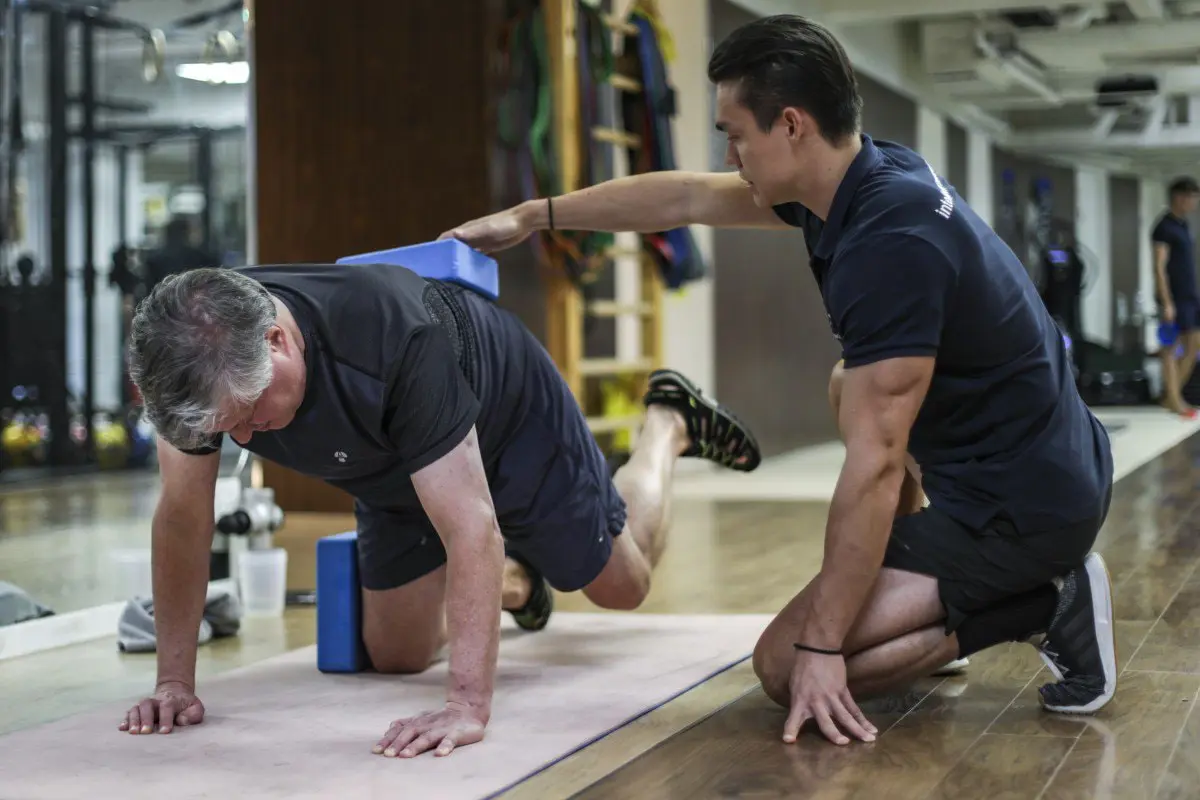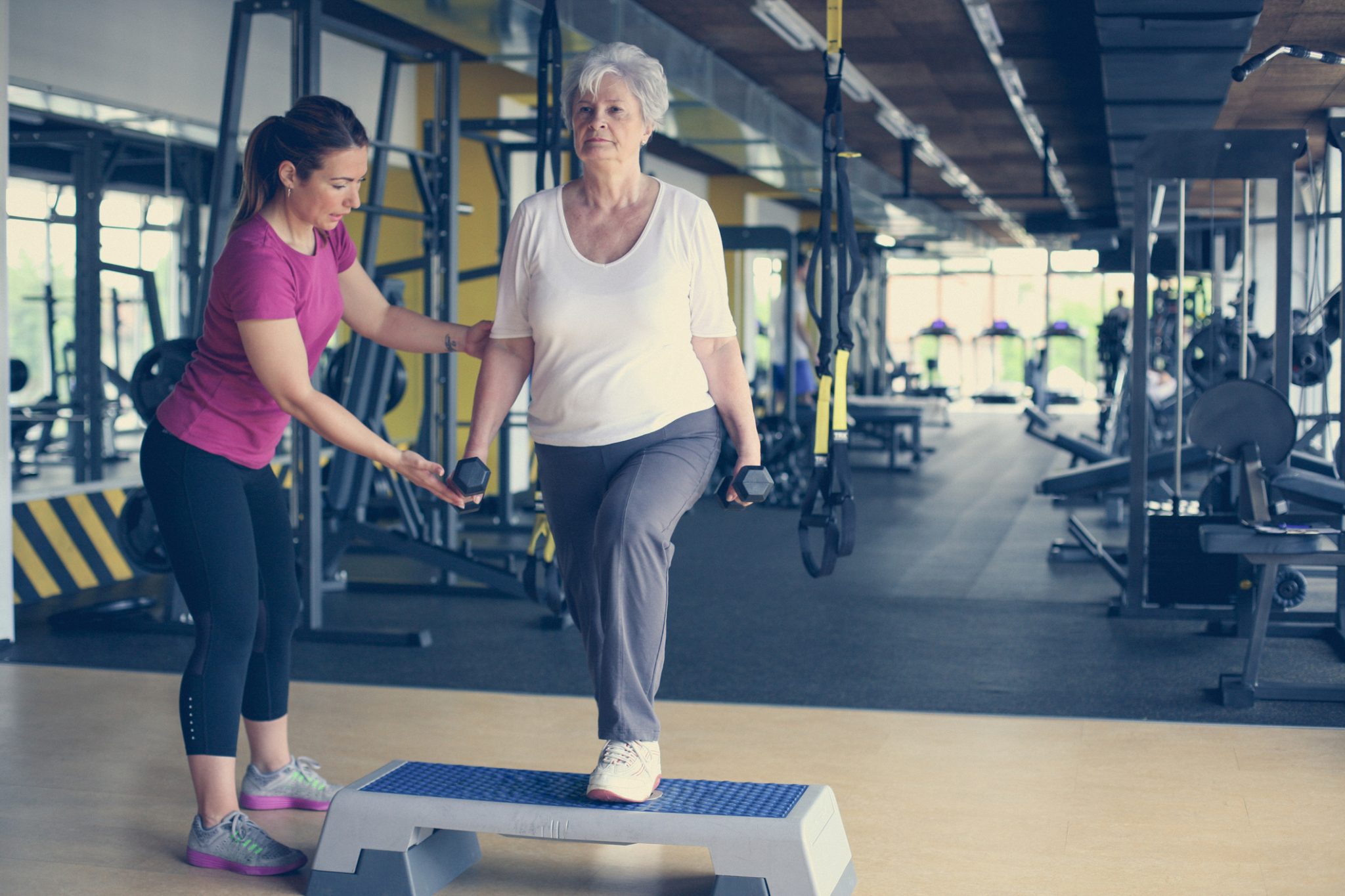
As we age, staying physically active becomes increasingly important for maintaining our overall health and well-being. While many people associate personal training with physical fitness, its benefits extend far beyond just the body. For seniors, personalized training sessions offer significant mental and emotional advantages, helping to enhance their quality of life in various ways. At Reed Elite Training, serving communities in Redmond, Bellevue, Clyde Hill, Medina, Kirkland, and Bothell, we understand the importance of addressing both the physical and emotional needs of our senior clients. In this blog post, we'll delve into the mental and emotional benefits of personal training for seniors, supported by statistics, data, and real-life examples.
Understanding the Mental and Emotional Needs of Seniors
As individuals age, they may face a range of mental and emotional challenges, including:
- Loneliness and Isolation: Seniors may experience feelings of loneliness, especially if they live alone or have limited social interactions.
- Depression and Anxiety: Mental health issues such as depression and anxiety can become more prevalent with age, affecting one's overall well-being.
- Loss of Purpose: Retirement and changes in physical health may lead to a loss of purpose or identity, impacting self-esteem and motivation.
The Role of Personal Training in Addressing Mental and Emotional Well-being
Personal training sessions provide seniors with much more than just physical exercise. They offer a supportive environment where individuals can work towards their fitness goals while also receiving emotional encouragement and motivation. Here's how personal training enhances the mental and emotional well-being of seniors:
1. Social Interaction and Support
Personal training sessions offer seniors an opportunity to engage in social interactions and build supportive relationships with their trainers and fellow participants.
Statistic: According to a study published in the Journal of Aging and Health, seniors who participate in regular social activities, such as group exercise classes, experience lower rates of depression and better overall mental well-being.
Example: Mary, a 72-year-old from Kirkland, felt isolated after retiring and losing touch with her former colleagues. Joining a personal training group at Reed Elite Training not only helped her stay physically active but also provided her with a supportive community of like-minded individuals.
2. Boosting Mood and Confidence
Exercise has been shown to release endorphins, neurotransmitters that help improve mood and reduce feelings of stress and anxiety.
Statistic: The American Psychological Association reports that regular physical activity can significantly reduce symptoms of depression and anxiety in older adults.
Example: John, a 68-year-old from Clyde Hill, struggled with low self-esteem after experiencing a decline in physical health. Through personalized training sessions, he gradually regained strength and confidence in his abilities, leading to a more positive outlook on life.
3. Sense of Achievement and Purpose
Setting and achieving fitness goals during personal training sessions can provide seniors with a sense of accomplishment and purpose.
Statistic: Research published in the Journal of Applied Gerontology found that seniors who engage in goal-oriented activities experience higher levels of life satisfaction and well-being.
Example: Susan, a 70-year-old from Bothell, felt aimless after retiring from her long-time job. With the guidance of her personal trainer, she set achievable fitness goals and celebrated each milestone, rekindling her sense of purpose and motivation.
4. Stress Relief and Relaxation
Exercise has been shown to reduce levels of cortisol, the body's primary stress hormone, leading to feelings of relaxation and well-being.
Statistic: A study published in the Journal of Physical Activity and Health found that seniors who participate in regular exercise programs experience lower levels of stress and better overall mental health.
Example: George, a 75-year-old from Medina, often felt overwhelmed by stress and worry. Through weekly personal training sessions focusing on gentle stretching and relaxation techniques, he learned to manage his stress more effectively and enjoyed greater peace of mind.
Real-Life Success Stories
At Reed Elite Training, we've witnessed numerous instances where personalized training has had a profound impact on the mental and emotional well-being of our senior clients:
Helen's Story (Redmond)
Starting Point: Helen, a 73-year-old retiree, felt lonely and disconnected after losing her spouse.
The Journey: Through regular personal training sessions, Helen not only improved her physical health but also found companionship and support from her trainer and fellow participants.
The Result: Helen regained her zest for life and felt happier and more fulfilled, thanks to the sense of community and encouragement she found at Reed Elite Training.
Bill's Story (Bellevue)
Starting Point: Bill, a 70-year-old with chronic anxiety, struggled to find joy in daily life.
The Journey: With the guidance of his personal trainer, Bill discovered the stress-relieving benefits of exercise and mindfulness techniques.
The Result: Bill's anxiety symptoms decreased significantly, and he experienced a newfound sense of calm and contentment in his everyday activities.
Conclusion
Personal training for seniors goes beyond physical fitness—it's about nurturing their mental and emotional well-being as well. At Reed Elite Training, we are committed to providing personalized care and support to seniors in Redmond, Bellevue, Clyde Hill, Medina, Kirkland, and Bothell. Through tailored exercise programs, social interaction, and emotional encouragement, we help our senior clients enhance their quality of life and enjoy greater happiness and fulfillment in their golden years. If you or a loved one are interested in improving both physical and emotional health, consider joining our personal training sessions today. Together, we can embark on a journey towards a healthier, happier future.