




Blood cancer, a term encompassing various malignancies affecting the blood and bone marrow, can be a daunting diagnosis. However, significant advancements in haematology and bone marrow transplantation (BMT) offer renewed hope for patients. This article delves into these fields, exploring how they work together to combat blood cancer.
Understanding Blood Cancers
The journey begins with understanding the origin of blood cancers. Blood is produced in the bone marrow, the spongy tissue within bones responsible for creating different types of blood cells. These cells normally mature through a controlled process, but in blood cancer, this process goes awry. Abnormal blood cells multiply uncontrollably, disrupting the production of healthy ones.

Different blood cancers exist, each with its own characteristics and treatment approaches. Some common types include:
- Leukemia: This cancer affects white blood cells, the body's defense system against infections.
- Lymphoma: This cancer originates in the lymphatic system, which plays a crucial role in immunity.
- Myeloma: This cancer affects plasma cells, a type of white blood cell responsible for antibody production.
The Role Of Haematology
Haematology is the branch of medicine dedicated to the study of blood, blood disorders, and blood-forming organs. Haematologists are the medical specialists who diagnose and manage blood cancers. They employ various tools for diagnosis, including:
- Blood tests: These tests analyze the number and type of blood cells present, providing insights into potential abnormalities.
- Bone marrow biopsy: A sample of bone marrow is extracted and examined under a microscope to identify abnormal cells.
- Imaging tests: X-rays, CT scans, and PET scans can reveal enlarged lymph nodes or other abnormalities associated with blood cancers.
Once diagnosed, a haematologist works closely with other specialists, such as medical oncologists and radiation oncologists, to develop a personalized treatment plan. Treatment options may include:
- Chemotherapy: This uses powerful drugs to kill cancer cells.
- Immunotherapy: This harnesses the body's immune system to fight cancer.
- Targeted therapy: These drugs target specific vulnerabilities in cancer cells.
- Radiation therapy: Uses high-energy rays to destroy cancer cells.
Bone Marrow Transplantation: A Powerful Tool
Bone marrow transplantation (BMT) is a life-saving procedure for some blood cancers. It involves replacing a patient's diseased bone marrow with healthy stem cells. These stem cells can come from two sources:

- Autologous transplant: Stem cells are collected from the patient's own body before undergoing high-dose chemotherapy or radiation therapy. These treatments destroy the patient's bone marrow but spare the collected stem cells. The stem cells are then reinfused into the patient, allowing them to grow healthy new blood cells.
- Allogeneic transplant: Stem cells are obtained from a healthy donor whose tissue type closely matches the patient's. Matching is crucial to prevent rejection of the donor cells by the patient's immune system. Siblings are often the best match, but unrelated donors can also be suitable options.
BMT is a complex procedure with potential side effects. However, advancements in technology and techniques have improved the success rates and reduced the risks associated with this treatment.
The CBCC Advantage: Integrated Care For Blood Cancer
The Comprehensive Blood & Cancer Care (CBCC) Centre in India leverages advanced treatment for blood cancer patients. Here's how CBCC sets itself apart:
- Personalized Treatment Plans: CBCC takes a patient-centric approach, tailoring treatment plans based on individual needs and diagnoses.
- Emphasis on Patient Support: CBCC recognizes the emotional challenges associated with blood cancer. They provide comprehensive support services, including counselling and social work assistance, to guide patients and their families throughout the journey.
A Beacon Of Hope For The Future
Blood cancer continues to be an area of active research. Haematologists and BMT specialists are constantly exploring new approaches to improve diagnosis, treatment, and patient care. The combined efforts of these fields offer a beacon of hope for a future with more effective and less invasive treatments for blood cancer.
Beyond The Basics: Empowering Patients
While this article provides a general overview, it's crucial to remember that blood cancer is a complex disease with various types and treatment options. Patients are encouraged to discuss their specific conditions and concerns with their doctors.



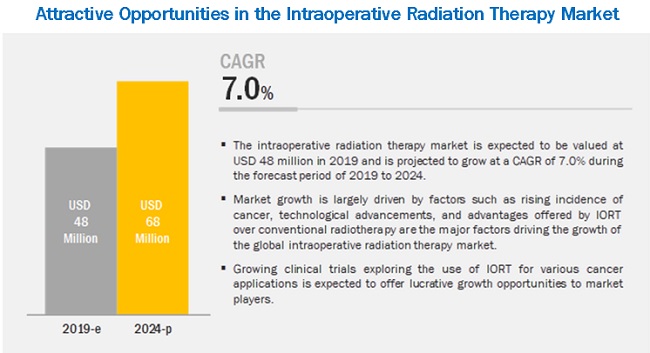
The rising incidence of cancer, technological advancements such as the introduction of mobile IORT system, and advantages offered by IORT over conventional radiotherapy are the major factors driving the growth of the global intraoperative radiation therapy market.
Additionally, growing clinical trials exploring the use of IORT for various cancer applications is expected to offer lucrative growth opportunities to market players.The Electron IORT segment to account for the largest share of the intraoperative radiation therapy market, by method, in 2019Based on method, the intraoperative radiation therapy market is segmented into electron IORT and intraoperative brachytherapy.
The electron IORT segment is expected to account for the largest share of the intraoperative radiation therapy market in 2019.
The large share of this segment can be attributed to its advantages such as better depth dose distribution, low treatment time, and optimal dose homogeneity as compared to HDR-IORT or kV IORT.Download PDF Brochure@https://www.marketsandmarkets.com/pdfdownloadNew.asp?id=245000083The other cancers segment, by application, is to register the highest CAGR in the intraoperative radiation therapy market during the forecast periodBased on application, the intraoperative radiation therapy market is segmented into breast cancer, brain tumor, gastrointestinal cancer, head & neck cancer, and other cancers.
The other cancer application segment includes penile cancer, lung cancer, childhood cancer, colorectal cancer, endometrial & cervical cancer, and prostate cancer.
This segment is expected to grow at the fastest CAGR owing to growing research activities in new application areas of the IORT market.North America to dominate the intraoperative radiation therapy market during the forecast periodThe intraoperative radiation therapy market is segmented into four regional segments, namely, North America, Europe, Asia Pacific, and the Rest of the World.
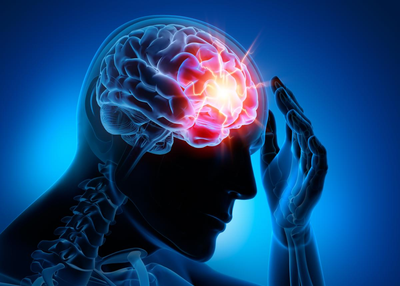
Today, the brain tumor is an increasingly serious problem, which needs to be identified and treated timely. People have this misconception in their mind that the treatment of a brain tumor is not possible. If the brain tumor is detected in its early stages, then its treatment is possible. In this article, you will know what is a brain tumor, what causes it, about the brain tumors symptoms, types, diagnosis, and treatment. A brain tumor is a type of cancer.
What is Brain Tumor
A brain tumor is a collection or body of abnormal cells in the brain. The growth of abnormal cells inside the skull can cause problems. Brain tumors can be carcinogenic (malignant) or non-cancerous (benign). When malignant tumors grow, they can increase the pressure inside your skull, they can damage the brain and they can be life-threatening. Brain tumors can occur in both adults and children.
There are different types of brain tumors. Some brain tumors are cancer-free (noncancerous) (benign), and some brain tumors are cancerous (malignant). When brain tumors start from the brain, it is called primary brain tumor and if cancer starts from other parts of the body and reaches the brain, then the brain tumors caused by this type of cancer are secondary, or metastatic brain tumors. It is said.
Brain Tumor The faster the brain tumor grows, the faster it affects the functions of the nervous system. Treatment of brain tumors depends on their size, type, and location
Brain Tumor Symptoms
Brain tumor signs and symptoms differ significantly from other disease symptoms. These symptoms depend on the size, location, and rate of growth of the brain tumor. Brain tumors can be detected with the following symptoms:
- The headache increases over time
- dizziness
- Nausea or vomiting
- The sensation is one hand or leg (tingling)
- Loss of memory or change in mental function
- Trouble speaking or understanding
- Confusion in everyday matters
- Changes in hearing, taste, or smell
- Seizures (especially in adults)
- Change in personality or behavior
- Hearing problems
- Difficulty writing or reading
- Muscle weakness in the face, arms, or legs
Brain Tumor Causes
Primary brain tumors arise from the brain or surrounding tissues such as meninges, cranial nerves, pituitary gland or pineal gland.
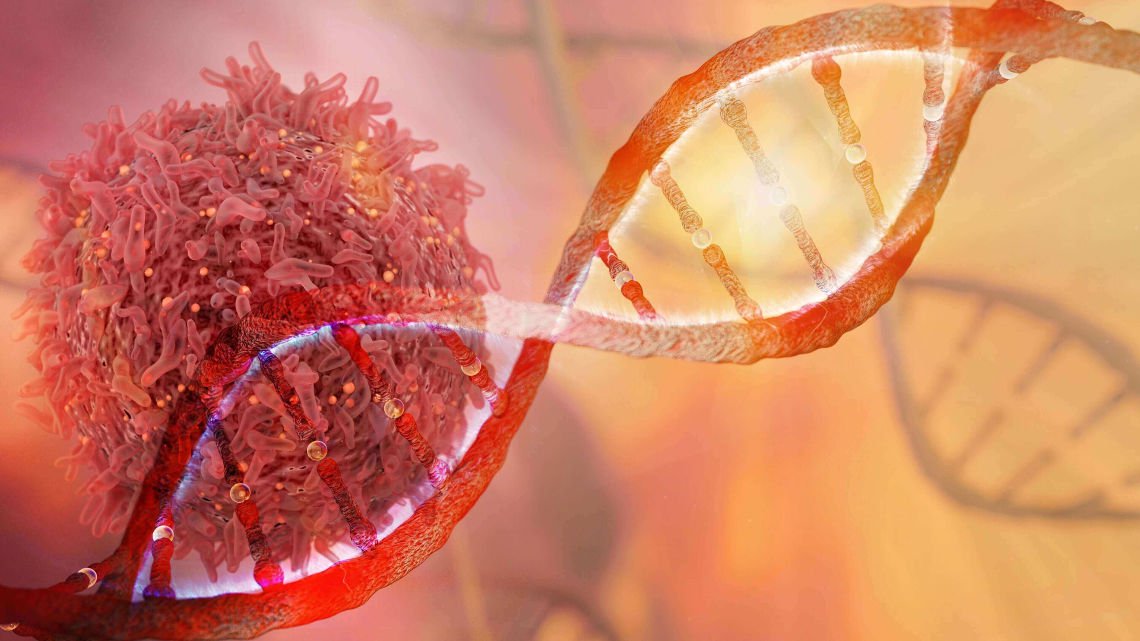
There is an action of mutations in the DNA of normal cells, which helps in the division and growth of cells, leading to the introduction of primary brain tumors. Cell division leads to a rapid increase in the number of abnormal cells, which leads to the formation of tumors, which is the major cause of brain tumors.
Secondary brain tumors are widespread in adults, in secondary brain tumors, cancer starts from any part of the body and then reaches the brain.
Brain Tumor Treatment
Treatment of tumors in the brain depends on the type, size, and location of the tumor as well as your health. The following remedies can be included on this basis.
Surgery – If the brain tumor is located in a place where it is easy to perform the operation, then your brain tumor is removed by surgery. Depending on the small size of the tumor and the reduced effect of cancer on the brain tissue, it is possible to completely remove the brain tumor.
Radiation therapy – High energy radiation, such as X-ray radiation or protons, is used in radiation therapy to kill tumor cells. An external beam of radiation is only put on the tumor affected area of your brain. Whole-brain radiation is used simultaneously to treat many tumor cancers, which spread to the brain from other parts of the body.
Radiosurgery – Radiosurgery is not related to surgery, in this process, high energy radiation is used to destroy very small area tumor cells. In brain tumors, radioactive radiation is injected in a single place to kill tumor cells.
Chemotherapy – Chemotherapy involves the use of drugs to kill tumor cells. The chemotherapy drug temozolomide (Temodar) is often used to treat brain tumors. This medicine is given in tablet form. Chemotherapy drugs can also have harmful effects on health.
Targeted drug therapy – Targeted drug works to destroy brain tumors by preventing abnormalities present within cancer cells and their unnecessary growth.