

Introduction
In today’s world of interior design and architecture, surface materials play a crucial role in defining the aesthetics, functionality, and longevity of spaces. From kitchen countertops and office desks to bathroom walls and retail displays, the choice of surface material can significantly impact the overall environment. Compact laminate has emerged as a standout option, offering a blend of durability, versatility, and design flexibility. This article explores why compact laminate should be your next surface choice.
What is Compact Laminate?
Compact laminate, often referred to as solid phenolic panels, is a high-density, durable surface material made by stacking multiple layers of kraft paper impregnated with phenolic resin. These layers are then compressed under high heat and pressure, resulting in a solid, dense panel that is highly resistant to wear and tear. The surface of compact laminate is typically finished with a decorative layer that can mimic various textures and designs, from wood grains to solid colors and abstract patterns.
Advantages of Compact Laminate
1. Exceptional Durability
One of the primary reasons compact laminate sheets stands out is its exceptional durability. The high-pressure manufacturing process makes it highly resistant to impact, scratching, and general wear. This makes it an ideal choice for high-traffic areas and surfaces that need to withstand heavy use. Whether it's a kitchen countertop that endures constant cutting and spills or a bathroom partition exposed to moisture and frequent cleaning, compact laminate maintains its integrity and appearance over time.
2. Moisture and Heat Resistance
Compact laminate is designed to be impervious to water and can handle exposure to high levels of moisture without warping or delaminating. This makes it a perfect choice for areas like kitchens, bathrooms, and even outdoor spaces where other materials might suffer from water damage. Additionally, compact laminate’s resistance to high temperatures means it won't easily scorch or discolor when exposed to hot cookware or appliances.
3. Low Maintenance
Maintaining compact laminate is simple and straightforward. Its non-porous surface prevents the absorption of spills and stains, making it easy to clean with just a damp cloth and mild detergent. There’s no need for sealing, polishing, or using special cleaning agents, which saves time and effort in upkeep. This low-maintenance feature is particularly appealing for commercial settings where cleanliness and ease of maintenance are critical.
4. Aesthetic Versatility
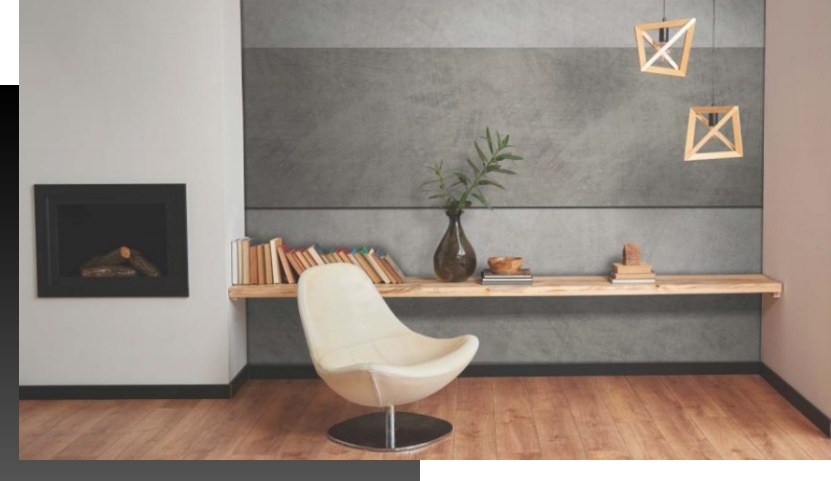
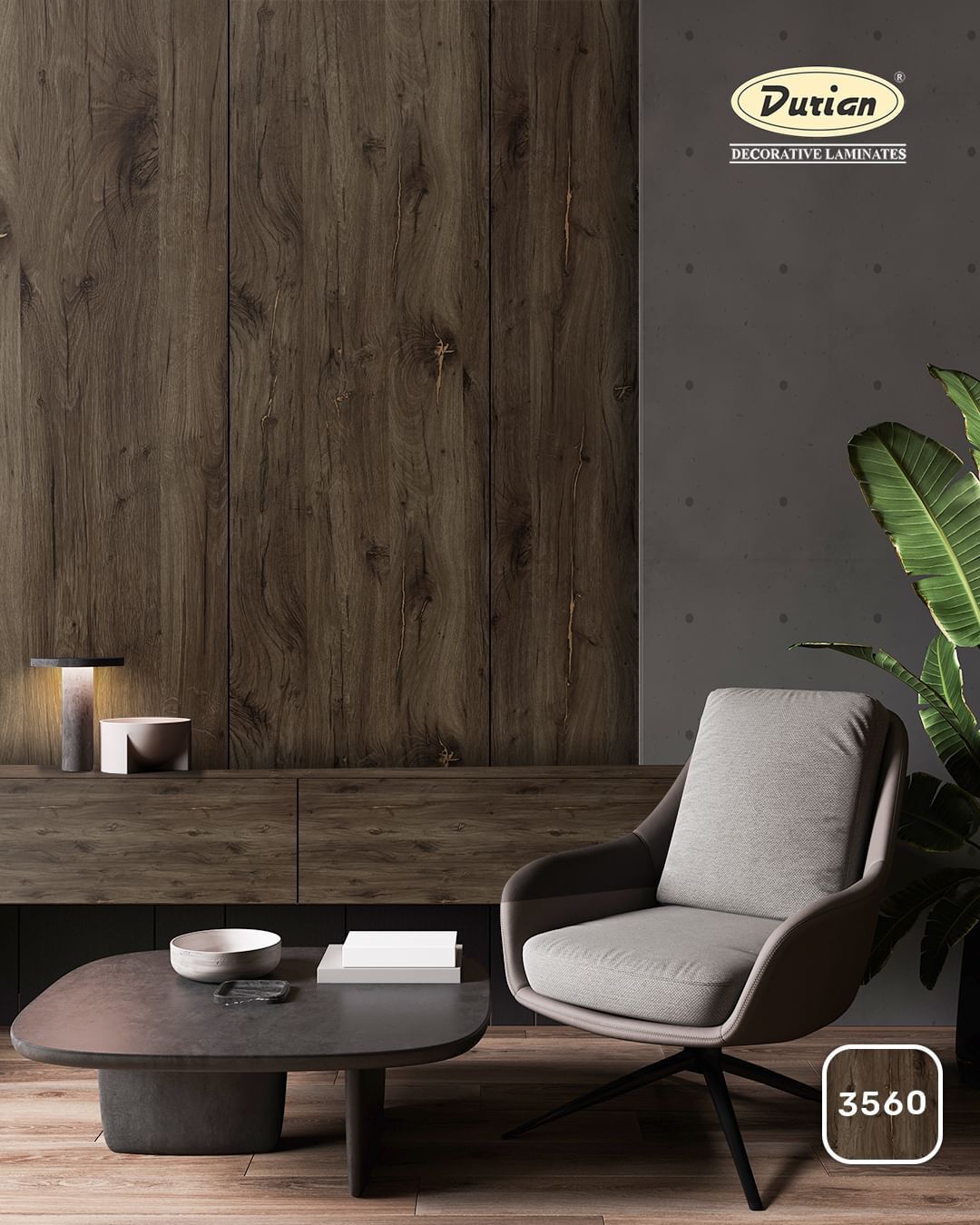
Compact laminate offers a wide range of design possibilities. With advancements in digital printing technology, it can replicate the look of natural materials like wood, stone, and metal, or provide unique, custom designs and solid colors. This versatility allows designers and homeowners to achieve the desired aesthetic without compromising on durability. Whether you’re aiming for a modern, minimalist look or a more traditional, rustic feel, there’s a compact laminate option to suit your style.
5. Environmental Benefits
In an era where sustainability is increasingly important, compact laminate stands out for its eco-friendly properties. Many manufacturers produce compact laminate using responsibly sourced materials and environmentally friendly processes. Additionally, compact laminate’s long lifespan reduces the need for frequent replacements, minimizing waste. Some products are also made with recycled content, further contributing to a lower environmental impact.
6. Cost-Effective
While the initial cost of compact laminate sheet can be higher than some other surface materials, its long-term value is significant. Its durability and low maintenance requirements mean fewer repairs, replacements, and cleaning expenses over time. This cost-effectiveness makes it an attractive choice for both residential and commercial applications, providing excellent value for the investment.
Applications of Compact Laminate
1. Kitchens
Compact laminate is an excellent choice for kitchen countertops, backsplashes, and cabinetry. Its resistance to heat, moisture, and stains makes it well-suited for the demands of a busy kitchen. Plus, the ability to mimic natural stone or wood provides a high-end look without the associated maintenance issues.
2. Bathrooms
In bathrooms, compact laminate can be used for vanities, shower walls, and partitions. Its water resistance ensures it performs well in wet environments, and its ease of cleaning makes it ideal for spaces that require frequent sanitation.
3. Commercial Spaces
From office furniture and wall panels to retail displays and restaurant tables, compact laminate’s durability and design flexibility make it a popular choice in commercial settings. It can withstand heavy use while maintaining a professional appearance, making it suitable for environments where aesthetics and functionality are equally important.
4. Healthcare and Educational Facilities
Compact laminate’s hygienic properties and resistance to chemicals make it suitable for healthcare facilities, laboratories, and educational institutions. It can be used for worktops, cabinets, and wall cladding in areas where cleanliness and durability are essential.
5. Outdoor Applications
Thanks to its weather-resistant properties, compact laminate can also be used for exterior cladding, outdoor furniture, and signage. It withstands exposure to sun, rain, and fluctuating temperatures without fading or deteriorating, making it a versatile choice for outdoor environments.
Installation Considerations
While compact laminate offers numerous benefits, proper installation is crucial to maximize its performance and longevity. Here are some key considerations:
- Substrate Preparation: Ensure that the substrate is clean, dry, and level before installation to prevent warping or uneven surfaces.
- Adhesives and Fasteners: Use appropriate adhesives and fasteners designed for compact laminate to secure the material effectively.
- Expansion Gaps: Allow for expansion gaps where the laminate meets walls or other surfaces to accommodate any slight movement due to temperature changes.
- Edge Treatment: Consider edge treatments like beveled or rounded edges to enhance the appearance and durability of the installation.
Conclusion
Compact laminate is a highly durable, versatile, and aesthetically pleasing surface material that offers numerous advantages for a variety of applications. Its resistance to moisture, heat, and impact, coupled with low maintenance requirements and design flexibility, make it an excellent choice for both residential and commercial settings. As sustainability and cost-effectiveness become increasingly important, compact laminate stands out as a surface material that meets these demands without sacrificing performance or style.
Whether you’re renovating a kitchen, designing a commercial space, or planning an outdoor project, compact laminate deserves serious consideration for your next surface choice. Its combination of practical benefits and aesthetic appeal ensures that it not only meets but exceeds expectations, providing a durable and beautiful surface solution for years to come.
Advance Laminates offers you the new Digital Laminates, Wardrobe Laminates, Laminates sheets for kitchen and best Digital Decorative laminates designs Catalogue Collection for Interior Decoration.