


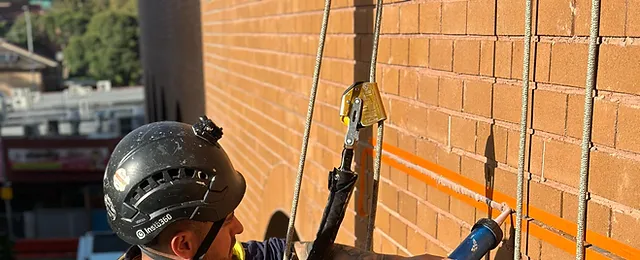
Construction joint sealing plays a crucial role in ensuring the longevity and structural integrity of buildings, particularly during home renovations. These joints are intentional gaps left between different building elements such as walls, slabs, or columns to accommodate movement caused by temperature changes, settling, or seismic activity. Properly sealing these joints prevents water infiltration, reduces the risk of air leakage, and maintains the aesthetic appeal of the structure.
Types of Construction Joint Sealants
Silicone Sealants
Silicone sealants are popular due to their flexibility and durability. They are ideal for joints that experience a high degree of movement. In home renovations, silicone sealants are commonly used around windows, doors, and plumbing fixtures to provide a watertight seal and enhance energy efficiency.
Polyurethane Sealants
Polyurethane sealants offer excellent adhesion and durability, making them suitable for both interior and exterior applications. They are resistant to weathering and can accommodate significant joint movement, making them ideal for sealing expansion joints in driveways, sidewalks, and basement floors during home renovations.
Acrylic Sealants
Acrylic sealants are easy to apply and paintable, making them popular for interior applications. While they are less flexible compared to silicone and polyurethane sealants, they provide adequate sealing for joints with minimal movement, such as baseboards and trim work in home renovations.
Factors to Consider Before Sealing
Surface Preparation
Proper surface preparation is crucial for effective joint sealing. It involves cleaning the joint thoroughly to remove dirt, dust, and old sealant residues. Additionally, priming the surfaces enhances adhesion and ensures a long-lasting seal.
Compatibility with Substrates
Selecting the right type of sealant based on the substrate is essential for achieving a durable seal. Different materials such as concrete, wood, metal, and plastic require specific sealant formulations to ensure compatibility and long-term performance during home renovations.
Environmental Conditions
Sealant application is highly influenced by environmental factors such as temperature and humidity. Ideal conditions for sealing joints during home renovations include moderate temperatures and low humidity levels to facilitate proper curing and adhesion.
Steps for Effective Construction Joint Sealing
Inspection and Assessment
Before sealing, it's crucial to inspect the joints thoroughly to identify their type, size, and condition. This assessment helps in determining the appropriate sealant type and preparation required for effective sealing during home renovations.
Selection of Sealant
Based on the joint assessment, select the appropriate sealant type that matches the joint's movement capability and environmental exposure. High-quality sealants ensure durability and minimize the need for frequent maintenance in home renovations.
Application Techniques
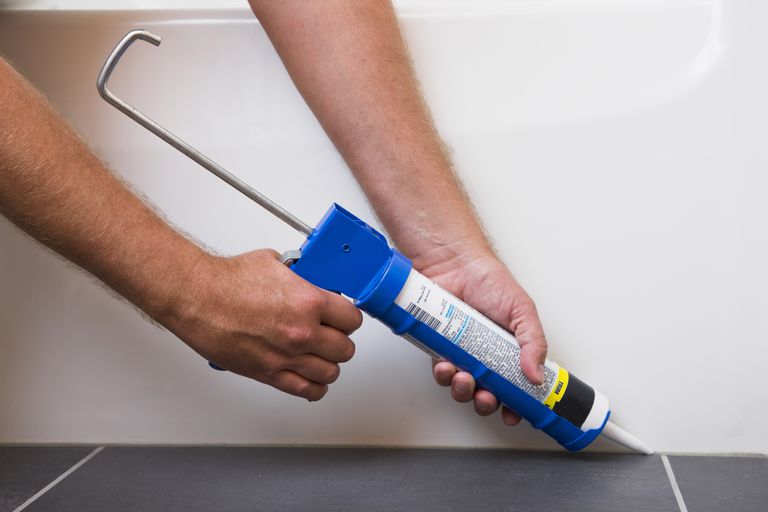
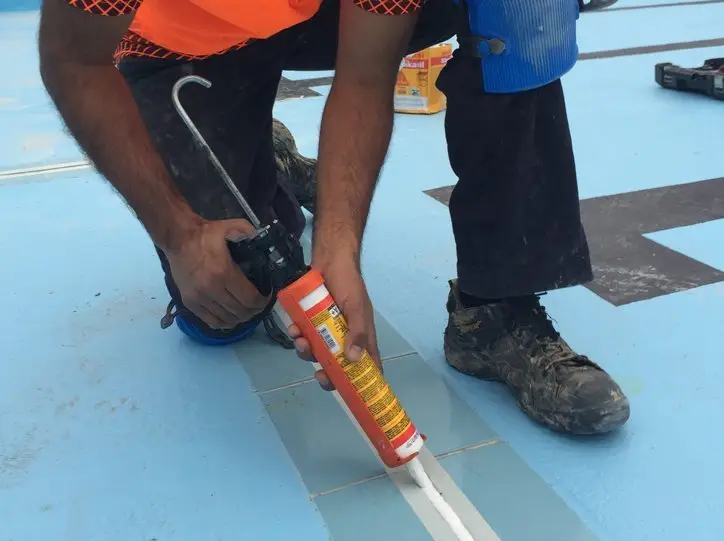
Proper application techniques play a significant role in the effectiveness of joint sealing. Use recommended tools such as caulking guns and joint smoothing tools to apply the sealant evenly and ensure a neat finish. Follow manufacturer guidelines for curing time and post-application care during home renovations.
Common Issues and Solutions
Joint Failure
Improper joint preparation or using the wrong sealant type can lead to joint failure over time. Ensure thorough cleaning, priming, and selecting the correct sealant type to prevent leaks and maintain structural integrity during home renovations.
Aesthetic Concerns
Visible joints that are poorly sealed can detract from the overall appearance of the renovated space. Choose sealants that are paintable or match the substrate color to achieve a seamless and aesthetically pleasing finish during home renovations.
Durability Challenges
Extreme weather conditions and high joint movement can affect sealant performance over time. Regular inspection and maintenance of sealed joints ensure long-term durability and functionality during home renovations.
Benefits of Professional Sealing Services
Expertise and Experience
Professional sealant applicators possess the knowledge and skills required to assess joints accurately and select the right sealant type for optimal performance during home renovations.
Warranty and Guarantee
Hiring professional sealing services often comes with warranties that guarantee the durability and effectiveness of the applied sealants. This provides homeowners with peace of mind and assurance of long-term performance during home renovations.
Conclusion
Construction joint sealing is a critical aspect of home renovations that ensures structural integrity, energy efficiency, and aesthetic appeal. By understanding the different types of sealants available, considering key factors before sealing, and employing proper application techniques, homeowners can achieve durable and effective joint seals that enhance the longevity and value of their homes.
FAQs
What is construction joint sealing?
Construction joint sealing involves filling gaps between building elements to prevent water infiltration and maintain structural integrity.
Why is construction joint sealing important in home renovations?
Proper sealing ensures energy efficiency, prevents air leakage, and preserves the aesthetic appeal of renovated spaces.
How often should construction joints be inspected and maintained?
Regular inspections and maintenance are recommended annually or as per manufacturer guidelines to ensure sealant effectiveness.
Can old sealant be replaced during home renovations?
Yes, old sealant should be removed and replaced with new sealant to maintain optimal sealing performance.
What are the benefits of using silicone sealants in home renovations?
Silicone sealants offer flexibility, durability, and resistance to weathering, making them suitable for joints with high movement and exposure.

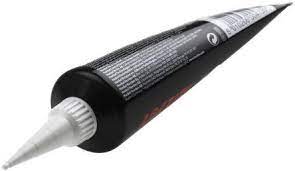
Loctite 5940Black Silicone Sealant Paste for Sealing.
100 ml Tube, Maximum of +200 °C, 1127070 (ET13825755).