Understanding the Importance of Pediatric Eye Care
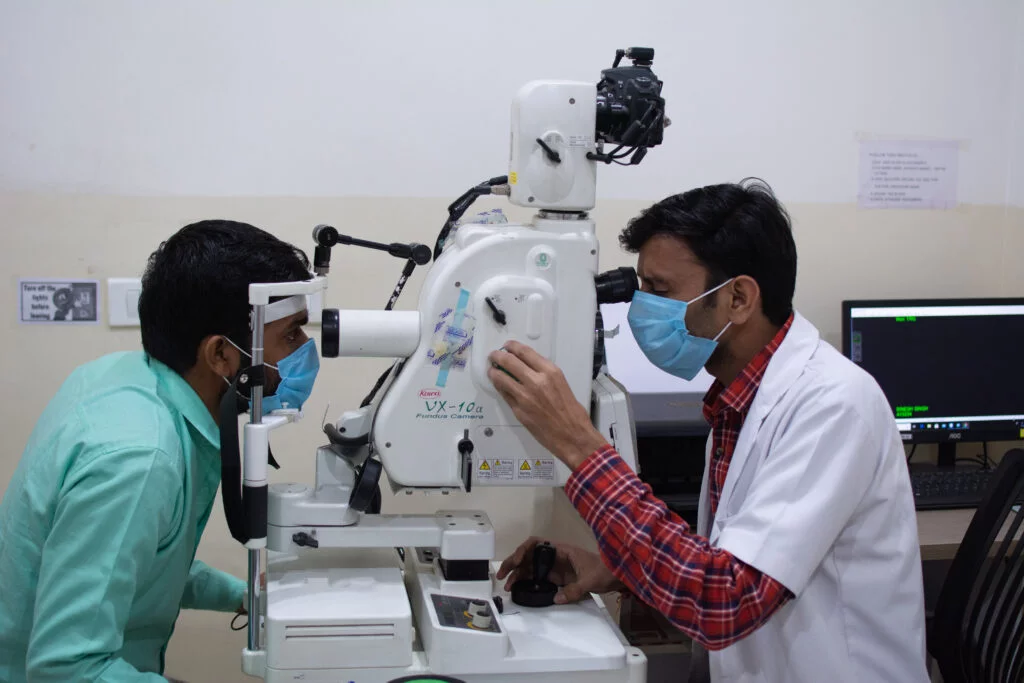
Pediatric eye care is an essential aspect of your child’s overall health and developmental progress. Early detection and treatment of eye issues can prevent long-term problems, including vision impairment and developmental delays. Comprehensive pediatric eye care ensures that your child's eyes are developing properly and can highlight necessary interventions to support their visual health.
Eye Specialists Near Me: Finding the Best for Your Child
When it comes to your child's eye health, locating qualified eye specialists in your area is crucial. Various resources are available to help you find reputable pediatric eye care professionals, including online directories, referrals from healthcare providers, and recommendations from friends and family. Health insurance provider networks can also be a valuable resource since they often have lists of in-network specialists.
It's important to research potential specialists thoroughly. Look for reviews and testimonials, check their credentials, and consider their experience in dealing with pediatric patients. A specialist's ability to communicate effectively and empathetically with children is just as important as their technical competency.
Pediatric Ophthalmologists: Experts in Children’s Eye Health
Pediatric ophthalmologists are medical doctors specialized in diagnosing and treating eye problems in children. They undergo extensive training, including four years of medical school, one year of internship, three years of residency in ophthalmology, and an additional one or more years in fellowship training specifically focused on pediatric ophthalmology. This specialized training equips them to handle a wide range of eye conditions unique to children, such as congenital cataracts, pediatric glaucoma, and retinopathy of prematurity.
Choosing a pediatric ophthalmologist ensures that your child receives the highest standard of care. These specialists have the expertise to perform comprehensive eye exams, diagnose complex conditions, and provide surgical interventions if necessary. Your child's eye health is a lifelong journey, and having a trusted pediatric ophthalmologist can make a significant difference in managing and maintaining their vision health.
Pediatric Eye Doctors: The Frontline for Routine Eye Care
Pediatric eye doctors, also known as optometrists, play a critical role in your child's routine eye care. Optometrists typically hold a Doctor of Optometry (OD) degree, which involves four years of post-graduate professional education. Pediatric optometrists focus on conducting regular eye exams, diagnosing conditions like refractive errors (nearsightedness, farsightedness, and astigmatism), and prescribing corrective lenses or vision therapy.
Routine eye examinations by a pediatric eye doctor are vital for early detection of vision problems. These specialists can provide ongoing vision care, monitor developmental eye health, and recommend further medical evaluation or treatment if more complex issues arise. Regular visits to a pediatric eye doctor help ensure that any changes in your child's vision are promptly addressed, promoting healthy visual development.
Ensuring Comprehensive Pediatric Eye Care
To ensure comprehensive eye care for your child, it's essential to create a coordinated plan involving both pediatric ophthalmologists and pediatric optometrists. While pediatric ophthalmologists handle complex medical and surgical eye conditions, pediatric optometrists manage routine vision care and corrective needs. This collaborative approach maximizes the benefits of their combined expertise and provides thorough care for your child's vision health.
In addition to professional care, parents play a significant role in maintaining their child's eye health. Encourage regular eye exams, observe for any signs of vision problems such as squinting, frequent headaches, or difficulty in reading, and ensure that your child follows a healthy diet rich in vitamins and minerals that support eye health. Limiting screen time and encouraging activities that promote good eye habits, like regular breaks during near work, also contribute to maintaining optimal vision.
Frequently Asked Questions About Pediatric Eye Care
Many parents have questions about pediatric eye care. Here are some of the most commonly asked questions:
- When should my child have their first eye exam? The American Academy of Ophthalmology suggests that a child's first comprehensive eye exam should be between 6 months to one year.
- What are common signs that my child might have vision problems? Watch for signs like squinting, sitting too close to the TV, frequent eye rubbing, headaches, or difficulty reading and focusing.
- How often should my child have their eyes checked? Children should have their eyes examined at least every two years, or more frequently if recommended by a pediatric eye specialist Near Me.
- Can vision problems affect my child’s learning? Yes, undiagnosed vision issues can impact your child's ability to learn and perform in school. Regular eye exams help prevent and address such problems.
Conclusion: Prioritize Your Child's Eye Health
Pediatric eye care is pivotal in safeguarding your child's vision and overall development. By finding the right eye specialists near you, including both pediatric ophthalmologists and pediatric eye doctors, you can ensure that your child receives comprehensive and continuous eye care. Stay proactive in monitoring eye health, schedule regular eye exams, and seek immediate medical advice if you notice any signs of vision problems. Your diligence today will help secure your child’s visual health for a lifetime.