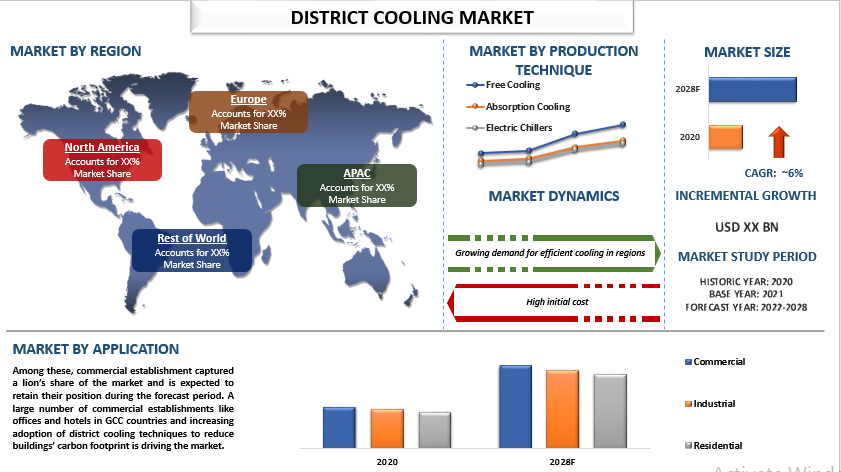
Introduction
The District Cooling Market has emerged as a pivotal player in urban infrastructure, revolutionizing how communities manage their cooling needs. This innovative system, which centralizes the production and distribution of cooling, offers a sustainable and efficient solution compared to traditional cooling methods. As urbanization continues to accelerate and climate change drives up temperatures, the demand for efficient cooling solutions becomes more critical. This article delves into the current trends, benefits, and future prospects of the District Cooling Market.
What is District Cooling?
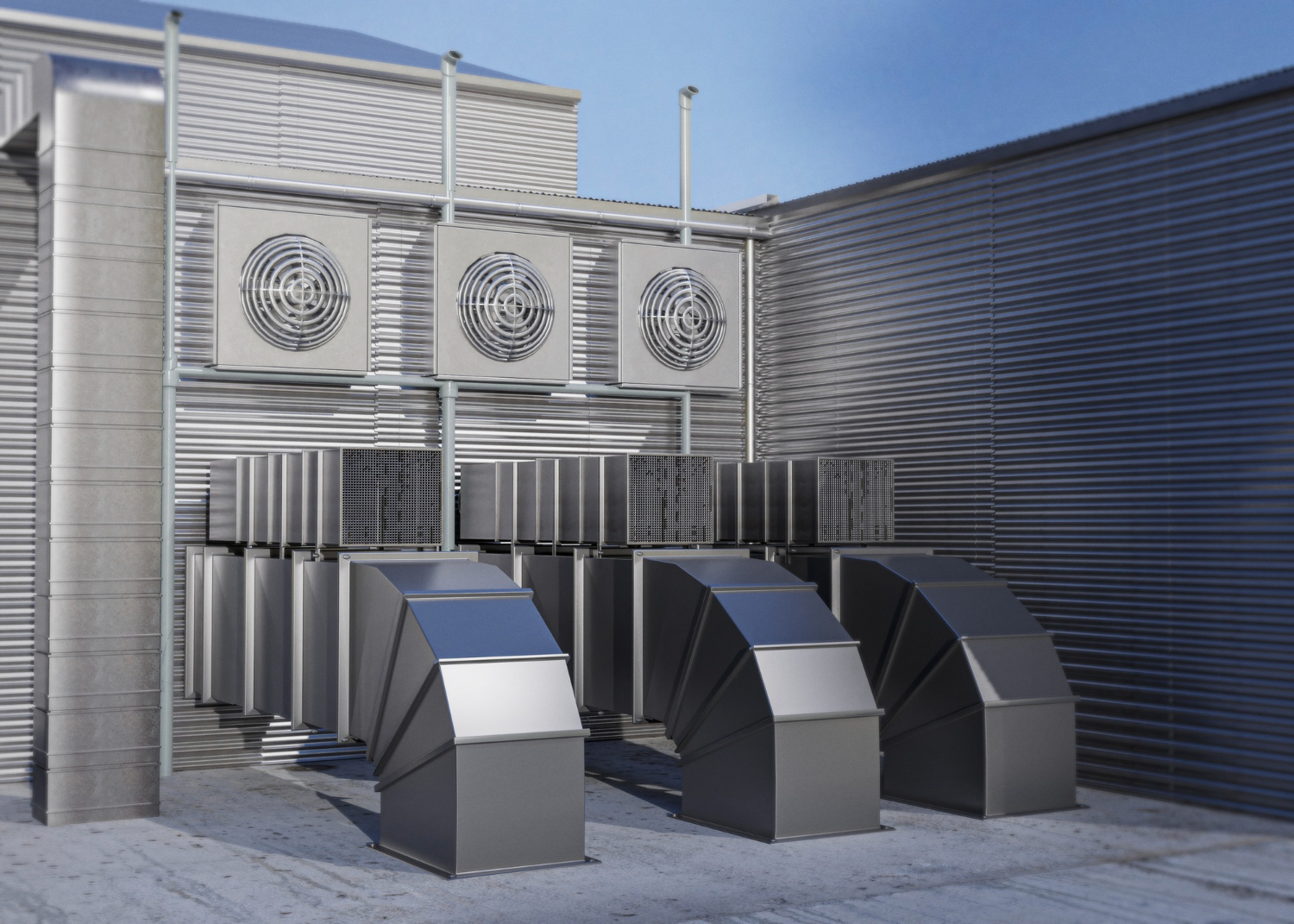
District cooling involves a centralized plant that produces chilled water, which is then distributed through a network of insulated pipes to multiple buildings within a district. This system contrasts with conventional air conditioning methods, where each building has its own cooling system. By centralizing the production of chilled water, district cooling offers significant efficiency and environmental benefits.
Current Market Trends
1. Urbanization and Infrastructure Development: Rapid urbanization is a significant driver of the district cooling market. As cities expand, the need for efficient and sustainable cooling solutions grows. District cooling systems are particularly suited to dense urban areas, where they can serve multiple buildings and reduce the overall energy consumption.
For a comprehensive analysis of the market drivers:- https://univdatos.com/report/district-cooling-market/
2. Government Initiatives and Regulations: Governments worldwide are recognizing the environmental benefits of district cooling and are introducing policies to promote its adoption. Regulations aimed at reducing greenhouse gas emissions and improving energy efficiency are pushing for the implementation of district cooling systems in new urban developments.
3. Technological Advancements: Innovations in cooling technologies, such as the integration of renewable energy sources and advancements in thermal energy storage, are enhancing the efficiency and feasibility of district cooling systems. These advancements make district cooling a more attractive option for urban planners and developers.
4. Environmental Concerns: The growing awareness of climate change and the need to reduce carbon footprints are driving the adoption of district cooling. By utilizing centralized cooling plants, these systems can significantly lower greenhouse gas emissions compared to traditional air conditioning methods.
Benefits of District Cooling
1. Energy Efficiency: District cooling systems are inherently more energy-efficient than individual building cooling systems. By centralizing the production of chilled water, these systems can optimize energy use, reduce wastage, and achieve economies of scale.
2. Cost Savings: While the initial investment in district cooling infrastructure can be high, the long-term cost savings are substantial. Reduced energy consumption leads to lower utility bills for end-users, and centralized maintenance reduces operational costs.
3. Environmental Impact: District cooling systems significantly reduce the urban heat island effect and lower greenhouse gas emissions. By utilizing more efficient technologies and renewable energy sources, these systems contribute to a more sustainable urban environment.
4. Space Savings: By eliminating the need for individual cooling units in each building, district cooling systems free up valuable space in urban areas. This space can be utilized for other purposes, enhancing the overall livability of urban environments.
For a sample report, visit:- https://univdatos.com/get-a-free-sample-form-php/?product_id=31205
Future Prospects
The future of the district cooling market looks promising, driven by several factors:
1. Expansion into Emerging Markets: As developing countries continue to urbanize, there is a significant opportunity for the expansion of district cooling systems. Emerging markets in Asia, the Middle East, and Africa are expected to witness substantial growth in district cooling adoption.
2. Integration with Smart City Initiatives: District cooling systems are expected to play a crucial role in smart city initiatives. By integrating with smart grids and utilizing data analytics, these systems can enhance their efficiency and responsiveness, providing a reliable and sustainable cooling solution.
3. Increased Focus on Renewable Energy: The integration of renewable energy sources, such as solar and geothermal energy, with district cooling systems is set to increase. This will further enhance the environmental benefits and sustainability of these systems.
4. Innovations in Technology: Continued advancements in cooling technologies, thermal energy storage, and energy-efficient infrastructure will drive the growth of the district cooling market. Research and development in these areas are expected to yield more efficient and cost-effective solutions.
Conclusion
The District Cooling Market is poised for significant growth, driven by urbanization, government initiatives, and technological advancements. As cities continue to expand and the need for sustainable cooling solutions becomes more pressing, district cooling systems offer a promising and efficient alternative. With the potential to reduce energy consumption, lower costs, and minimize environmental impact, district cooling is set to become a cornerstone of modern urban infrastructure.
Contact Us:
UnivDatos Market Insights
Email - contact@univdatos.com
Contact Number - +1 9782263411
Website -http://www.univdatos.com