

Granulation is a critical process in the pharmaceutical industry, influencing the quality, efficacy, and manufacturability of many drug products. This blog explores the significance of granulation in pharmaceutical production, the various techniques employed, and its impact on the industry. Additionally, we will examine how granulation intersects with pharmaceutical patents, shaping innovation and competitive advantage.
Understanding Granulation: A Crucial Step in Pharma Manufacturing
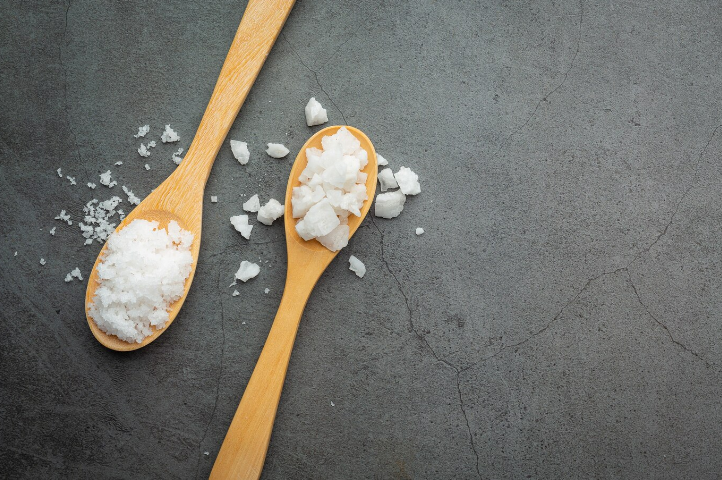
Granulation is the process of forming granules from fine powders, creating a more cohesive and flowable material. This step is essential in tablet and capsule manufacturing, affecting the product's uniformity, stability, and bioavailability.
Why Granulation Matters
- Improved Flow Properties: Fine powders often have poor flow characteristics, leading to challenges in processing and compaction. Granulation enhances flowability, making it easier to handle materials during manufacturing.
- Enhanced Compressibility: Granulated materials exhibit better compressibility, facilitating the formation of tablets with consistent weight, hardness, and disintegration properties.
- Uniformity: Granulation ensures a homogeneous distribution of active pharmaceutical ingredients (APIs) and excipients, leading to consistent drug potency and efficacy in each dosage form.
- Reduced Dust: Granulation reduces dust generation, improving worker safety and minimizing cross-contamination risks in manufacturing facilities.
Granulation Techniques in the Pharmaceutical Industry
There are two primary granulation techniques used in the pharmaceutical industry: wet granulation and dry granulation. Each method has its advantages and is chosen based on the specific requirements of the formulation.
1. Wet Granulation
Wet granulation involves the addition of a liquid binder to powders, promoting agglomeration. The key steps include:
- Mixing: Powders are blended to achieve a uniform distribution of APIs and excipients.
- Binder Addition: A liquid binder (e.g., water or a solvent) is added to the powder blend, forming wet granules.
- Agglomeration: The wet mixture is agitated to form granules of desired size.
- Drying: The wet granules are dried to remove excess moisture.
- Sizing: Dried granules are screened to achieve uniform size distribution.
Advantages: Wet granulation enhances compressibility and flow properties, making it suitable for formulations requiring high-dose uniformity.
Challenges: It requires additional drying steps and may not be suitable for moisture-sensitive APIs.
2. Dry Granulation
Dry granulation involves the compaction of powders without using liquid binders. The two common methods are:
- Slugging: Powders are compressed into large tablets (slugs), which are then milled into granules.
- Roller Compaction: Powders are compacted using roller presses to form ribbons, which are subsequently milled into granules.
Advantages: Dry granulation is ideal for moisture-sensitive APIs and eliminates the need for drying steps.
Challenges: It may require more advanced equipment and can be less effective for formulations with poor compressibility.
Impact of Granulation on Pharmaceutical Production
Granulation significantly influences various aspects of pharmaceutical production:
1. Product Quality
Granulation contributes to the uniformity and stability of pharmaceutical products, ensuring consistent drug release profiles and therapeutic efficacy. This uniformity is crucial for maintaining the safety and effectiveness of medications, especially those with narrow therapeutic windows.
2. Manufacturing Efficiency
By improving the flowability and compressibility of materials, granulation enhances manufacturing efficiency. It reduces issues related to powder handling and tablet formation, leading to higher production yields and lower defect rates.
3. Scale-Up and Process Optimization
Granulation facilitates the scale-up of pharmaceutical formulations from lab to production scale. It allows manufacturers to fine-tune process parameters, ensuring reproducibility and consistency in large-scale production.
4. Regulatory Compliance
Granulation helps meet regulatory requirements for content uniformity, dissolution, and stability. Consistent granulation processes contribute to the overall quality assurance of pharmaceutical products, aligning with Good Manufacturing Practices (GMP).
Granulation and Pharmaceutical Patents
Granulation is not just a technical process but also a significant aspect of pharmaceutical innovation and intellectual property. Pharmaceutical patents related to granulation processes can provide competitive advantages and protect proprietary technologies. Here's how granulation intersects with pharmaceutical patents:
1. Patenting Granulation Processes
Pharmaceutical companies often develop proprietary granulation techniques that enhance the bioavailability, stability, or manufacturability of drug products. These novel processes can be patented, providing a competitive edge and protecting investments in R&D.
Example: A unique wet granulation method that improves the stability of a moisture-sensitive API could be patented, preventing competitors from using the same technique without authorization.
2. Patenting Formulations
Granulation impacts the formulation of drug products, including the composition of granules and the methods used to produce them. Patents can cover specific formulations, granule compositions, and manufacturing methods, ensuring exclusivity in the market.
Example: A patented formulation of a controlled-release tablet that relies on a proprietary granulation technique to achieve a specific release profile can prevent competitors from producing generic equivalents.
3. Overcoming Patent Barriers
Granulation can also be used strategically to develop new formulations that bypass existing patents. By modifying the granulation process or developing alternative methods, companies can create novel products that do not infringe on existing patents.
Example: A company may develop a dry granulation method that allows for the production of a similar drug formulation without infringing on a competitor's wet granulation patent.
4. Enhancing Patent Portfolios
Innovations in granulation can enhance a company's patent portfolio, increasing its value and attractiveness to potential partners or investors. A strong patent portfolio covering advanced granulation techniques can support licensing agreements and collaborations.
Example: A portfolio of patents covering various granulation methods and formulations can strengthen a company's position in the market, providing leverage in negotiations with other pharmaceutical companies.
Conclusion
Granulation is a cornerstone of modern pharmaceutical production, enabling the efficient and consistent manufacture of high-quality drug products. By improving flowability, compressibility, and uniformity, granulation enhances the overall performance and safety of medications. The choice between wet and dry granulation depends on the specific needs of the formulation, with each method offering distinct advantages.
The intersection of granulation and pharmaceutical patents underscores the importance of innovation and intellectual property in the pharmaceutical industry. Patents related to granulation processes and formulations provide valuable protection and competitive advantages, driving advancements and fostering growth.
As the pharmaceutical industry continues to evolve, granulation will remain a critical process, shaping the development and production of new medications. Embracing advancements in granulation technology and leveraging intellectual property rights will be essential for companies seeking to maintain their edge in this dynamic and competitive field.