


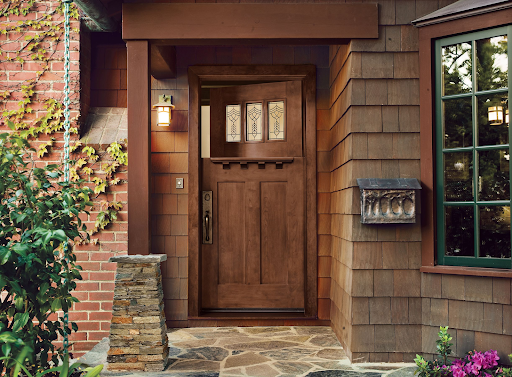
Entry doors serve as the gateway to your home, creating the first impression for guests while providing essential security and insulation. Selecting the right entry door involves considering various factors such as material, design, energy efficiency, and security features. This guide will help you navigate the options to choose the perfect entry door that complements your home’s style and meets your needs.
The Importance of Entry Doors
Entry doors are more than just functional barriers; they are a key architectural element that can significantly enhance the curb appeal and value of your home. Here’s why entry doors are so important:
- Security: The primary function of an entry door is to protect your home from intruders. A sturdy door with robust locking mechanisms acts as a deterrent to break-ins.
- Energy Efficiency: Modern entry doors are designed to improve energy efficiency by reducing heat loss and keeping your home comfortable throughout the year.
- Aesthetics: An attractive entry door can transform the look of your home, making it more inviting and stylish.
- Durability: High-quality entry doors are built to withstand the elements, ensuring long-lasting performance.
Types of Entry Door Materials
When choosing an entry door, the material is one of the most critical decisions. Each material has its own set of benefits and drawbacks:
Wood
- Aesthetic Appeal: Wooden doors offer a classic, timeless look that can be customized with various stains and finishes.
- Insulation: Wood provides good insulation, helping to maintain a comfortable indoor temperature.
- Maintenance: Wooden doors require regular maintenance to protect them from moisture and pests.
Steel
- Security: Steel doors are incredibly strong and provide excellent security.
- Durability: Steel doors are resistant to warping and cracking, making them a durable option.
- Cost-Effective: Generally, steel doors are more affordable than wood or fiberglass doors.
- Insulation: Many steel doors come with an insulated core to enhance energy efficiency.
Fiberglass
- Versatility: Fiberglass doors can mimic the look of wood without the maintenance.
- Durability: Fiberglass is resistant to dents, scratches, and weathering, making it a durable choice.
- Energy Efficiency: These doors are often filled with insulating foam, offering excellent energy efficiency.
- Low Maintenance: Fiberglass doors require minimal maintenance compared to wood.
Aluminum
- Lightweight: Aluminum doors are lightweight yet durable.
- Resistant to Corrosion: These doors are highly resistant to rust and corrosion.
- Customization: Aluminum doors can be customized with various finishes and colors.
- Energy Efficiency: Often less insulated than other materials, though some models include thermal breaks to improve efficiency.
Design and Style Considerations
The design and style of your entry door should complement your home’s architecture and personal taste. Here are some popular styles:
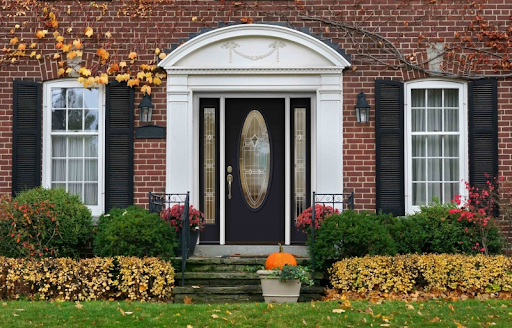
- Traditional: Features classic elements like panel designs, decorative glass, and ornate hardware.
- Modern: Sleek, minimalist designs with clean lines and contemporary materials.
- Craftsman: Emphasizes simplicity and craftsmanship, often featuring glass panels and natural wood finishes.
- Rustic: Utilizes natural, rugged materials and designs that evoke a sense of warmth and charm.
- Custom: Allows for complete personalization to match unique architectural styles and personal preferences.
Energy Efficiency and Insulation
Energy-efficient entry doors can significantly reduce your heating and cooling costs. Look for doors with the following features:
- Insulated Cores: Foam-filled cores provide excellent thermal insulation.
- Weatherstripping: Quality weatherstripping around the door frame prevents air leaks.
- Double or Triple Glazing: For doors with glass panels, multiple glazing layers improve insulation.
- Energy Star Rating: Doors with this rating meet strict energy efficiency guidelines set by the U.S. Environmental Protection Agency.
Security Features
A secure entry door is vital for protecting your home. Consider these security features:
- Solid Core: Doors with a solid core construction are harder to break through.
- High-Quality Locks: Invest in deadbolt locks and multi-point locking systems.
- Reinforced Frames: Ensure the door frame is sturdy and reinforced to resist forced entry.
- Security Glass: If your door has glass panels, choose tempered or laminated glass to enhance security.
Conclusion
Choosing the right entry door involves balancing aesthetics, security, energy efficiency, and durability. By understanding the benefits of different materials, considering design options, and prioritizing energy-efficient and secure features, you can select an entry door that not only enhances your home’s curb appeal but also provides lasting performance and peace of mind. Whether you prefer the timeless elegance of wood, the strength of steel, or the versatility of fiberglass, the perfect entry door is out there waiting to welcome you home.

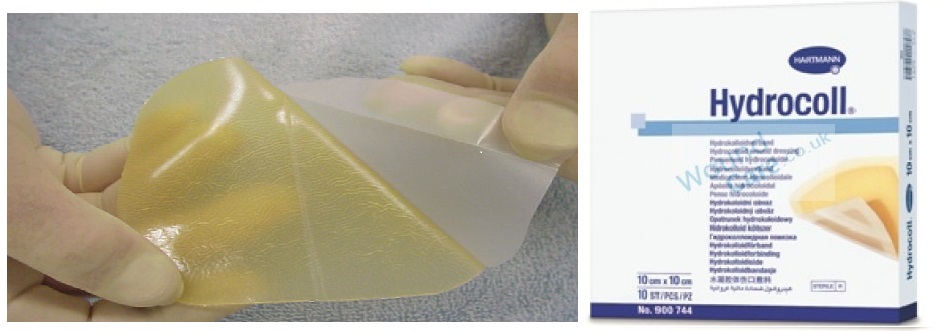
Hydrocolloid dressing is a primary dressing that is used to treat uninfected wounds.
This dressing is easy to apply.
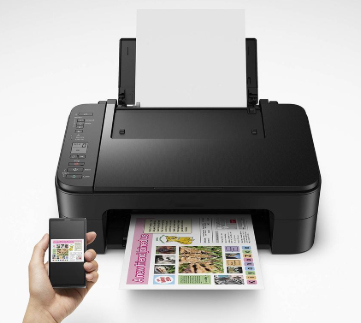
Get the perfect guide to do the Canon MG3122 wireless setup online, Then visit the Printer Customer Service website.
Which helps you to set up your Canon MG3122 wireless printer online without pay extra cost.
For instant help call us at US (855) 968-1096 UK (800) 368-8615