


In the world of construction and building maintenance, the phrase "roof safety systems" might not spark immediate concern for the average person. However, for those in the industry, it is a crucial element of workplace safety. Roof safety systems are designed to prevent fatal accidents, providing a protective layer for workers who operate at dangerous heights. Understanding these systems and their importance is vital for both employers and employees to ensure a safe working environment.
The Necessity of Roof Safety Systems
The construction industry is inherently risky, with roof work being one of the most hazardous tasks. According to the Occupational Safety and Health Administration (OSHA), falls are the leading cause of fatalities in the construction sector, and many of these falls occur from roofs. Without proper safety measures, workers are exposed to severe injuries or even death. Roof safety systems mitigate these risks by providing the necessary precautions and equipment to safeguard workers.
Types of Roof Safety Systems
Roof safety systems encompass a variety of tools and protocols designed to protect workers. Some of the most common systems include:
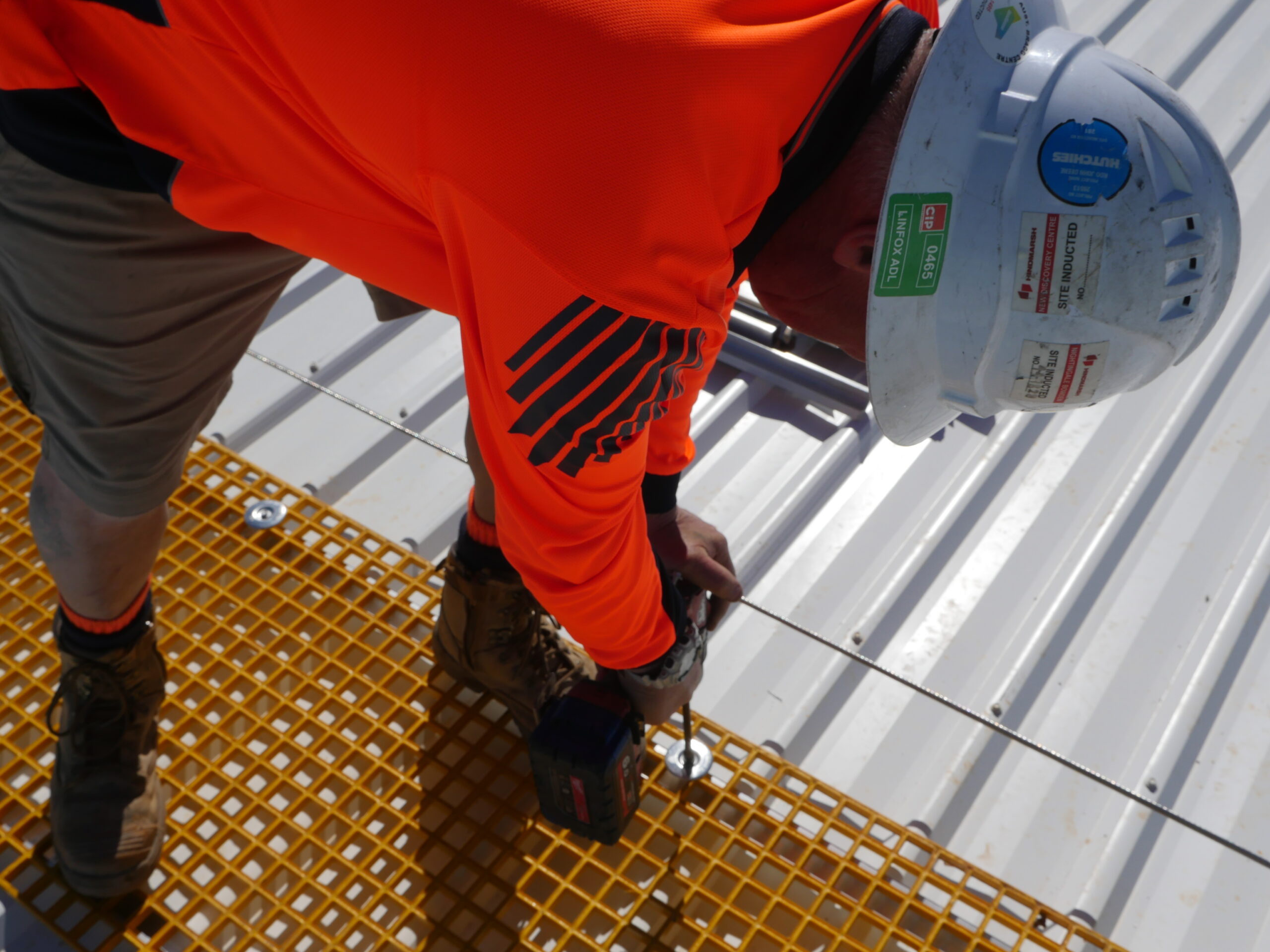
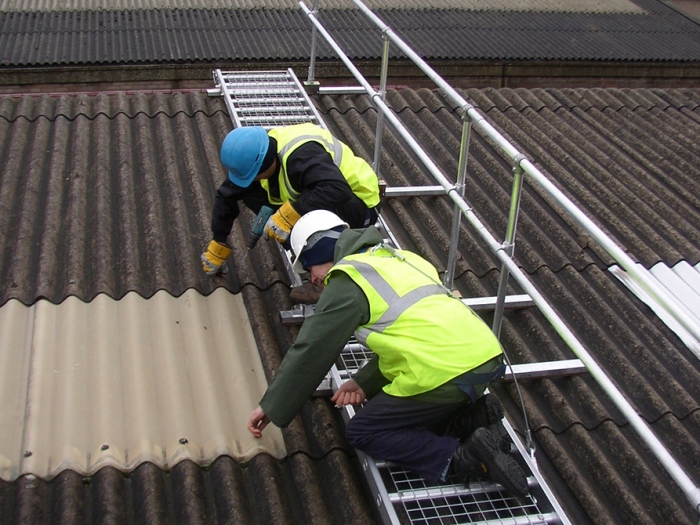
· Guardrails: These are barriers erected around the edge of the roof to prevent workers from falling off. Guardrails are one of the most effective passive safety measures, as they do not require active engagement by the worker.
· Safety Nets: Positioned below the work area, safety nets catch workers if they fall. This system is particularly useful in high-rise construction, providing a secondary line of defence if other measures fail.
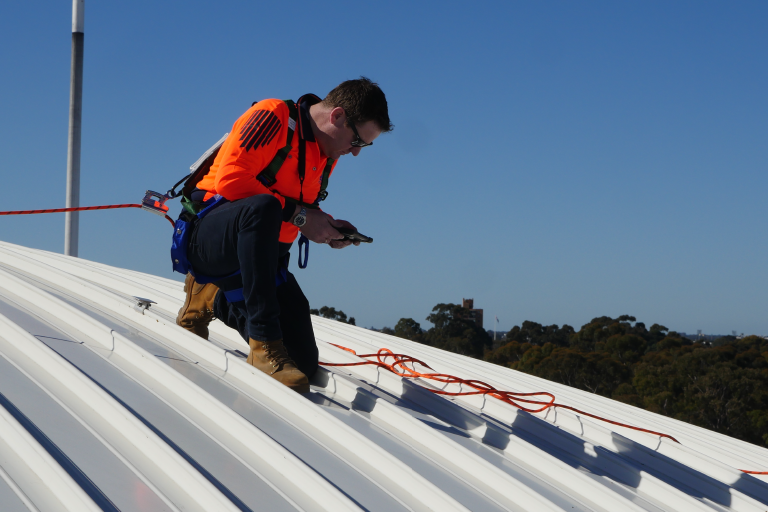
· Personal Fall Arrest Systems (PFAS): These include harnesses, lifelines, and anchors that are worn by the workers. In the event of a fall, the PFAS stops the worker from hitting the ground, significantly reducing the risk of injury.
· Warning Line Systems: These systems use ropes, chains, or wires flagged with warning signs to alert workers of the roof's edge. While not as protective as guardrails, they are a visual cue that can prevent workers from accidentally walking off the edge.
· Roof Hatch Systems: These safety measures are used when workers need to access the roof via a hatch. They include guardrails and self-closing gates to ensure that the hatch does not become a fall hazard.
Technological Advancements in Roof Safety
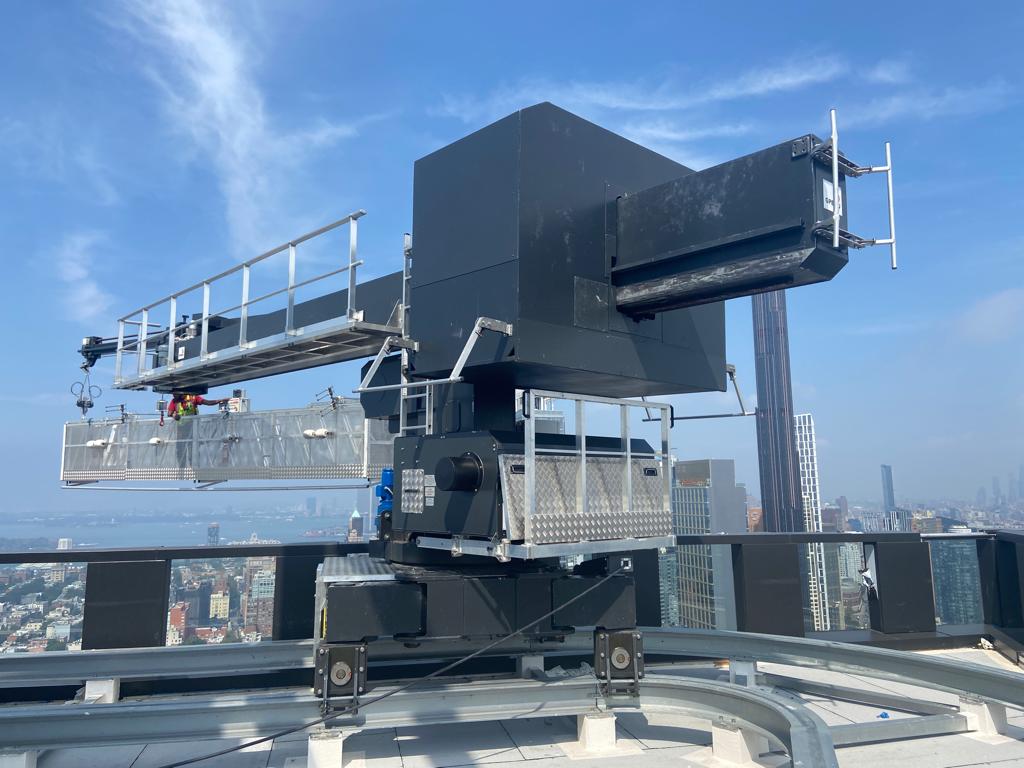
Advancements in technology have also contributed to improved roof safety systems. Innovations such as drones and wearable technology are revolutionising the industry. Drones can be used to inspect roofs for hazards before workers set foot on them, identifying potential risks from a safe distance. Wearable technology, such as smart helmets and vests equipped with sensors, can monitor workers' vitals and alert them to potential dangers in real-time.
The Economic Benefits of Roof Safety
Investing in roof safety systems is not just a moral obligation; it also makes economic sense. The costs associated with accidents, including medical expenses, compensation claims, and lost productivity, can be staggering. Implementing robust safety measures can significantly reduce these costs. Moreover, a safe work environment boosts employee morale and productivity, leading to better job performance and project outcomes.
Summing up, roof safety systems are a critical component in preventing fatal accidents in the construction and maintenance industries. By integrating physical safety measures, comprehensive training, and advanced technology, employers can create a safer working environment. The importance of these systems cannot be overstated, as they protect the most valuable asset of any organization: its people. Prioritising roof safety not only saves lives but also enhances overall productivity and economic efficiency.


Backed by more than 200 years of combinedEdmonton commercial roofing trade experience, A Roofing Ltd. is the company to call for Edmonton commercial roofing.
In Alberta, any structure with over six units is considered a commercial property.
Edmonton commercial roofing isn’t simply a “bigger roof;” the roofers at A Roofing are specialists in membrane systems, drainage and torch-on roof systems, ensuring your low-sloped (or “flat”), commercial roofing does not leak and will hold up to sun, rain and snow.
We also have all the fasteners, flashings and coatings to make your installation a success.
We have the Edmonton commercial roofing team and the talent to take on the region’s largest industrial and commercial jobs.