
In recent years, invisible braces have revolutionized orthodontic treatment, offering a discreet and convenient alternative to traditional metal braces. This article explores the significant benefits of invisible braces compared to their traditional counterparts, providing a comprehensive overview for those considering orthodontic treatment.
Introduction to Invisible Braces
Invisible braces, also known as clear aligners, are custom-made, removable trays designed to gradually shift teeth into their desired position. Unlike traditional braces, which use metal brackets and wires, invisible braces are typically made from transparent plastic, making them less noticeable and more aesthetically pleasing.
Benefits of Invisible Braces
Aesthetics
One of the most significant advantages of invisible braces is their discreet appearance. The clear plastic aligners are nearly invisible when worn, allowing patients to straighten their teeth without feeling self-conscious about their smile during treatment. This benefit is particularly appealing to adults and teenagers who may be hesitant to undergo orthodontic treatment with traditional braces due to appearance concerns.
Comfort
Invisible braces are made from smooth plastic material, unlike the metal brackets and wires of traditional braces, which can cause discomfort, irritation, and even mouth sores. The aligners are custom-fit to the patient's teeth, reducing the likelihood of discomfort and allowing for a more comfortable orthodontic experience.
Removability
Unlike traditional braces that are fixed onto teeth for the duration of treatment, invisible braces are removable. This feature offers several advantages:
Ease of Eating: Patients can remove aligners when eating, allowing them to enjoy a wider variety of foods without restrictions on sticky or hard foods that are problematic with traditional braces.
Ease of Oral Hygiene: Removable aligners facilitate easier brushing and flossing, as patients can clean their teeth thoroughly without brackets and wires obstructing access.
Special Occasions: Patients can temporarily remove aligners for special events or photographs, providing flexibility that is not possible with traditional braces.
Predictable Treatment Process
Invisible braces are designed using advanced computer technology that allows orthodontists to create a precise treatment plan from start to finish. Before treatment begins, patients can often see a virtual representation of their projected smile transformation. Each set of aligners is worn for a specified period, gradually shifting teeth into alignment according to the predetermined treatment plan.
Fewer Office Visits
Traditional braces typically require frequent visits to the orthodontist for adjustments and tightening of wires. In contrast, patients using invisible braces often receive several sets of aligners at once and change them at home according to a prescribed schedule. This reduces the number of office visits required, making treatment more convenient, particularly for patients with busy schedules.
Improved Oral Health
Straightening teeth with invisible braces can contribute to improved oral health. Misaligned teeth can be harder to clean effectively, increasing the risk of tooth decay, gum disease, and other oral health issues. By aligning teeth properly, invisible braces can help patients maintain better oral hygiene and reduce the likelihood of dental problems in the future.
Comfortable and Safe for Sports
Invisible braces do not have protruding metal parts or wires that can potentially injure the mouth during sports or physical activities. They offer a comfortable fit and a smooth surface, making them a safer option for active individuals who participate in sports.
Conclusion
Invisible braces in Plano offer a range of benefits that make them an attractive option for individuals seeking orthodontic treatment. From their discreet appearance and comfort to their removability and predictable treatment process, invisible braces provide a modern solution for achieving a straighter smile without the drawbacks associated with traditional braces. As technology continues to advance, the popularity of invisible braces is likely to grow, offering more individuals the opportunity to achieve their desired smile with confidence and convenience.
In summary, the decision between invisible braces and traditional braces often comes down to personal preference, lifestyle considerations, and the specific needs of each patient. Consulting with a qualified orthodontist is essential to determine the most suitable treatment option based on individual circumstances and desired outcomes.
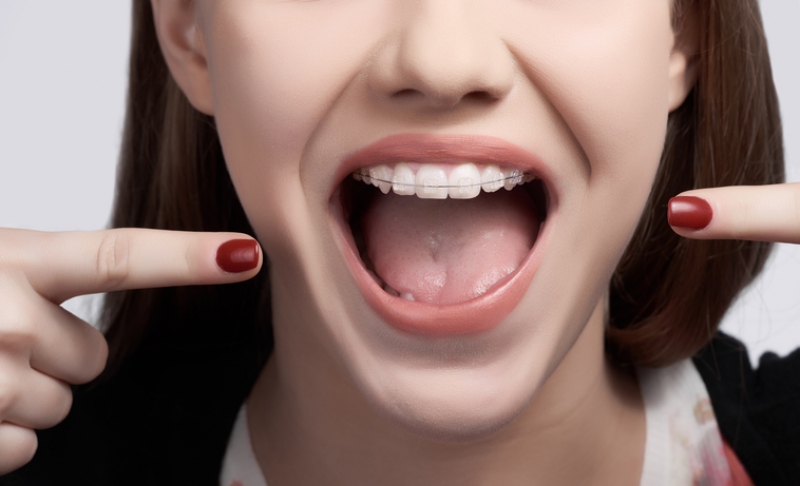
Lingual Braces Treatment in India.
Lingual braces are virtually invisible, and that's the main reason eligible patients choose them.
This partly explains why they are more common among adults than children.
One other advantage is if you play a wind instrument or a sport, lingual braces are easier to adapt to than traditional braces.
Keep in mind that you'll have to search for an orthodontist who offers lingual braces.

But what will you do if you have an imperfect smile?
The reason is that I have a broken tooth, and my front teeth are not aligned.If I look back, it will not be wrong to say that my childhood was a nightmare because I had to wear braces for many years.
All I want is to give her a perfect smile and the confidence she deserves, but I don't want her to suffer from braces as I did.This was the hardest time of my life, as I was looking for the best alternative to braces, but the options I received were unacceptable to me.
Although I wasn't happy with that either, I still thought about giving it a try.
She put me at ease and told me that Invisalign is safe and less painful than braces and brackets.
Maria's response overwhelmed me and convinced me to have my daughter treated with Invisalign.