TMS Therapy for Anxiety: A Comprehensive Understanding
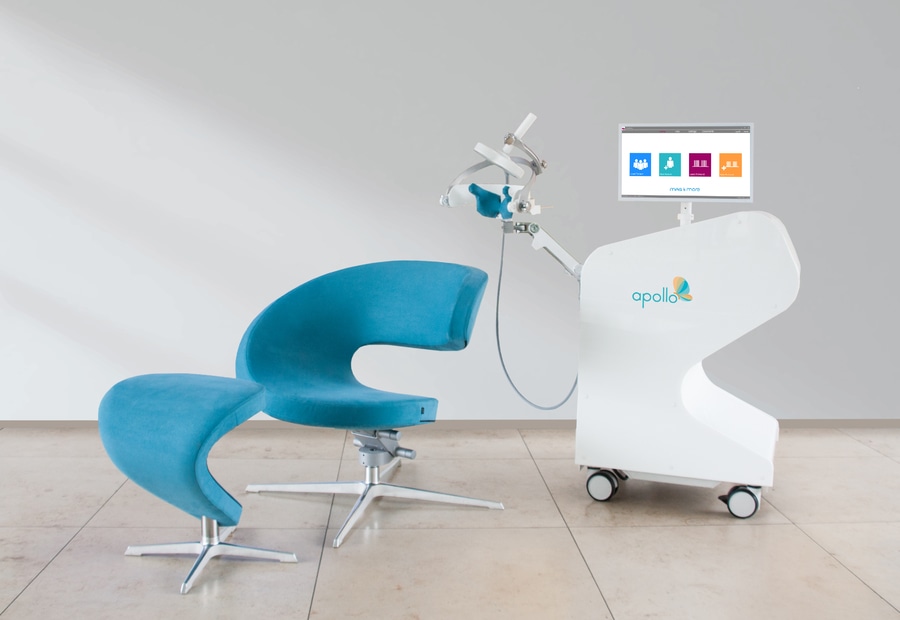
Transcranial Magnetic Stimulation (TMS) therapy has emerged as a promising alternative for treating anxiety disorders. This non-invasive procedure involves using magnetic fields to stimulate nerve cells in the brain, aiming to alleviate symptoms of anxiety. Anxiety disorders, which include generalized anxiety disorder (GAD), panic disorder, and social anxiety disorder, can significantly impair life quality. As traditional treatments like medication and psychotherapy may not always yield satisfactory results, exploring TMS therapy as a viable option is essential.
Benefits of TMS Therapy for Anxiety
TMS therapy offers numerous benefits for individuals suffering from anxiety. One of the primary advantages is its non-invasive nature, meaning it doesn't require surgery or medication. This results in fewer side effects compared to pharmacological treatments. Additionally, TMS therapy is known for its precision in targeting specific regions of the brain associated with anxiety. This targeted approach enhances the chances of achieving optimal therapeutic outcomes without affecting other brain regions.
Another significant benefit is the rapid onset of relief. Unlike medications that might take weeks to show effects, patients often notice improvements within a few sessions of TMS therapy. This is particularly advantageous for those seeking quick relief from debilitating anxiety symptoms. Furthermore, TMS therapy doesn't interfere with a patient's daily activities, allowing them to resume their routine soon after the session.
TMS Therapy Effectiveness: Evaluating the Success Rates
The effectiveness of TMS therapy in treating anxiety disorders has been widely studied, with promising results. Clinical trials and research studies have shown that a significant percentage of patients experience a reduction in anxiety symptoms after undergoing TMS therapy. Success rates can vary based on individual factors, such as the severity of the anxiety disorder and the patient's overall health.
Recent studies suggest that combining TMS therapy with other treatment modalities, such as psychotherapy, can further enhance remission efficacy. Dr. Renee Richesin, a board-certified psychiatrist and member of the Clinical TMS Society, has emphasized the holistic approach to treatment at LifeWorksTMS, setting a new standard in anxiety and depression care. This integrated approach underscores the importance of addressing mental health issues from multiple angles to achieve the best possible outcomes.
Comparing TMS Therapy Benefits with Other Anxiety Treatments
When comparing TMS therapy to traditional anxiety treatments, several key benefits stand out. Medications, for instance, can effectively reduce anxiety symptoms but often come with side effects that may include weight gain, drowsiness, and sexual dysfunction. TMS therapy, on the other hand, avoids these systemic side effects, offering a cleaner profile.
Psychotherapy, such as cognitive-behavioral therapy (CBT), is another common treatment for anxiety. While highly effective, it requires a significant time commitment, with progress being incremental over several months. In contrast, TMS therapy can provide a more immediate reduction in symptoms, which can then be complemented by ongoing psychotherapy sessions for sustained benefits.
Moreover, TMS therapy's durability of effect is noteworthy. Studies indicate that the benefits of TMS therapy can last for several months to over a year post-treatment. This long-lasting effect is advantageous for patients who seek enduring relief from anxiety symptoms without continuous reliance on medication.
Conclusion
In summary, TMS therapy for anxiety presents a multifaceted approach to treating anxiety disorders. Its non-invasive nature, rapid onset of symptom relief, and minimal side effects offer a compelling alternative to traditional treatments. The growing body of evidence supporting its effectiveness, particularly when combined with psychotherapy, highlights its potential as a transformative option for patients struggling with anxiety. As with any treatment, it is crucial for individuals to consult with healthcare professionals to determine the most suitable approach tailored to their specific needs and circumstances.