

Introduction
Gastrointestinal (GI) and Minimal Access Surgery (MAS) are critical components of contemporary medical care, addressing various conditions related to the digestive system. These advanced surgical techniques offer patients less invasive options with quicker recovery times and reduced risks. At Aadicura Superspeciality Hospital, a leading gastrocare hospital in Vadodara, expert gastrointestinal surgeons employ these techniques to provide top-tier medical care.

What is Gastrointestinal Surgery?
Gastrointestinal surgery encompasses a broad spectrum of procedures focused on the digestive organs, including the esophagus, stomach, liver, gallbladder, pancreas, small intestine, large intestine (colon), and rectum. A gastrointestinal surgeon performs these surgeries to treat a variety of conditions such as:
- Appendicitis: Removal of an inflamed appendix.
- Gallstones: Removal of the gallbladder (cholecystectomy).
- Hernias: Repair of hernias in the abdominal wall.
- GERD (Gastroesophageal Reflux Disease): Procedures to improve the function of the esophagus.
- Cancer: Removal of tumors from the digestive organs.
The Role of Minimal Access Surgery
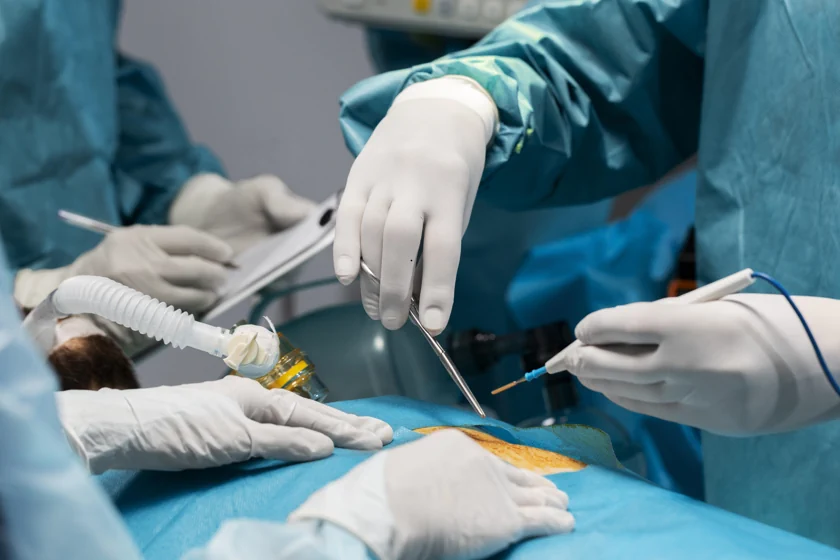
Minimal Access Surgery, also known as minimally invasive surgery, has revolutionized GI surgery. Unlike traditional open surgeries that require large incisions, MAS involves small incisions through which specialized instruments and a camera are inserted. A gastro surgeon in Vadodara, like those at Aadicura, utilizes this technique, which includes:
- Laparoscopy: A type of MAS that uses a laparoscope to view and operate on the abdominal organs.
- Endoscopy: A procedure using an endoscope to diagnose and sometimes treat conditions within the digestive tract.
Benefits of Minimal Access Surgery
Minimal Access Surgery offers numerous advantages over traditional open surgery, making it a preferred choice for many patients and surgeons:

- Reduced Pain and Discomfort: Smaller incisions lead to less pain post-surgery.
- Shorter Hospital Stay: Patients often return home sooner.
- Faster Recovery: Quicker return to normal activities.
- Lower Risk of Infection: Smaller wounds reduce the risk of infections.
- Minimal Scarring: Smaller incisions mean smaller scars.
Common Procedures in Gastrointestinal and Minimal Access Surgery
Several procedures can be performed using MAS techniques, each addressing different GI issues:
1. Laparoscopic Cholecystectomy
This minimally invasive procedure removes the gallbladder, commonly to treat gallstones. The gastrointestinal surgeon makes small incisions in the abdomen and uses a laparoscope to guide the removal of the gallbladder. This method reduces recovery time and postoperative pain compared to open surgery.
2. Laparoscopic Appendectomy
This procedure involves removing an inflamed appendix through small incisions. It is the standard treatment for appendicitis and offers quicker recovery and less postoperative pain than traditional open appendectomy.
3. Laparoscopic Hernia Repair
Hernias occur when an organ pushes through an opening in the muscle or tissue that holds it in place. Laparoscopic hernia repair involves inserting a laparoscope through small incisions to repair the hernia with a mesh. This technique results in less postoperative pain and a faster return to normal activities.
4. Bariatric Surgery
Laparoscopic techniques are also used in bariatric surgery, which includes procedures like gastric bypass and sleeve gastrectomy. These surgeries help in weight loss by altering the digestive system to limit food intake or absorption. A gastro surgeon in Vadodara skilled in these techniques can significantly impact a patient's quality of life.
5. Colorectal Surgery
Minimal access techniques are used to perform surgeries on the colon and rectum, such as for treating colorectal cancer, diverticulitis, or inflammatory bowel disease. These procedures involve removing diseased sections of the colon and reconnecting the healthy parts. A gastrointestinal surgeon ensures precision and care during these complex operations.
Advances in Technology
The success and safety of minimal access surgery are significantly enhanced by technological advancements:

- Robotic Surgery: Robots assist surgeons in performing precise movements through small incisions, improving outcomes in complex surgeries.
- Enhanced Imaging: High-definition cameras and imaging techniques allow for better visualization of the surgical area.
- Advanced Instruments: Specialized instruments designed for MAS improve the surgeon’s ability to perform delicate tasks through tiny incisions.
Preparing for Gastrointestinal and Minimal Access Surgery
Patients undergoing GI and MAS procedures at a gastrocare hospital in Vadodara typically undergo a thorough preoperative evaluation, including:
- Medical History and Physical Examination: To assess overall health and suitability for surgery.
- Imaging Studies: Such as X-rays, CT scans, or MRIs to visualize the problem area.
- Laboratory Tests: Blood tests to check for any underlying conditions.
- Preoperative Instructions: Patients are given specific instructions regarding diet, medications, and lifestyle changes before surgery.
Postoperative Care and Recovery
Postoperative care is crucial for a smooth recovery:
- Pain Management: Patients may be prescribed pain relief medications.
- Wound Care: Proper care of the surgical sites to prevent infection.
- Gradual Resumption of Activities: Gradual return to normal activities as per the surgeon’s advice.
- Follow-Up Visits: Regular follow-ups to monitor healing and address any complications.
Conclusion
Gastrointestinal and Minimal Access Surgery represent significant advancements in surgical care, providing patients with safer, less invasive options for treating a variety of GI conditions. The benefits of MAS, including reduced pain, quicker recovery, and minimal scarring, make it a preferred choice for many patients. A gastro specialist in Vadodara, such as those at Aadicura Superspeciality Hospital, plays a pivotal role in ensuring successful outcomes and improving patients' quality of life. As technology continues to evolve, the future of GI surgery looks promising, with even more refined techniques and better outcomes on the horizon. For those seeking expert care, Aadicura Superspeciality Hospital stands out as a premier gastrocare hospital in Vadodara.