Xiang Yun Sha, also known as "Fragrant Cloud Sand," is a traditional Chinese textile that has been cherished for centuries. Originating from the Ming Dynasty, this exquisite fabric is renowned for its unique dyeing process and the rich cultural heritage it embodies. In recent years, Xiang Yun Sha has experienced a renaissance, captivating modern audiences with its timeless beauty and sustainable practices. In this blog post, we will explore the fascinating history of Xiang Yun Sha, its intricate production methods, and how this ancient craft has been revived in contemporary times.
The Origins of Xiang Yun Sha
Xiang Yun Sha traces its roots back to the Ming Dynasty (1368–1644) in the Guangdong province of China. The fabric's name, which translates to "Fragrant Cloud Sand," reflects the distinct aroma it emits due to the use of natural plant dyes and the unique texture resembling fine sand. Originally, Xiang Yun Sha was highly prized by the Chinese nobility and was often used for imperial garments and ceremonial attire.
Traditional Production Techniques
The creation of Xiang Yun Sha is a labor-intensive process that involves several meticulous steps:
Selection of Materials
The base fabric is typically made from high-quality silk or a silk-cotton blend, which provides a smooth and luxurious feel.
Natural Dyeing Process
One of the defining features of Xiang Yun Sha is its use of natural dyes derived from local plants. The primary dye, known as "Ban Lan Gen" (Isatis tinctoria), imparts a deep blue hue to the fabric. The dyeing process involves repeatedly immersing the fabric in the dye and allowing it to dry under the sun, creating a rich and vibrant color.
Mud Treatment
After dyeing, the fabric undergoes a unique mud treatment, where it is coated with a mixture of local river mud and natural minerals. This step enhances the fabric's texture, giving it a distinctive sandy feel and increasing its durability.
Sun Exposure and Rinsing
The fabric is then spread out under the sun for extended periods, which helps to fix the dye and mud treatment. The final step involves rinsing the fabric in clean water to remove any excess mud, resulting in a beautifully textured and naturally fragrant textile.
Decline and Revival
Despite its historical significance, the production of Xiang Yun Sha declined in the 20th century due to industrialization and the rise of synthetic fabrics. However, in recent years, there has been a resurgence of interest in traditional crafts and sustainable fashion, leading to the revival of Xiang Yun Sha.
Modern artisans and designers have embraced this ancient craft, combining traditional techniques with contemporary designs to create unique and eco-friendly fashion pieces. The revival of Xiang Yun Sha not only preserves a valuable cultural heritage but also promotes sustainable practices in the textile industry.
Xiang Yun Sha in Contemporary Fashion
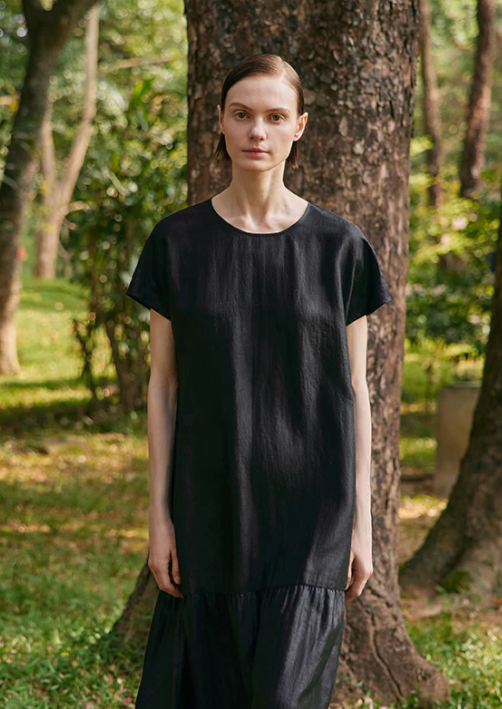
Today, Xiang Yun Sha is celebrated for its eco-friendly production methods and its timeless aesthetic appeal. Designers incorporate this ancient fabric into modern fashion, creating elegant garments that honor tradition while appealing to contemporary tastes. From haute couture to everyday wear, Xiang Yun Sha is making a significant impact on the fashion world.
Conclusion
The history of Xiang Yun Sha is a testament to the enduring beauty and cultural significance of traditional crafts. Its revival in the modern era highlights the growing appreciation for sustainable and artisanal products. By understanding and embracing the rich heritage of Xiang Yun Sha, we can ensure that this ancient craft continues to thrive and inspire future generations.