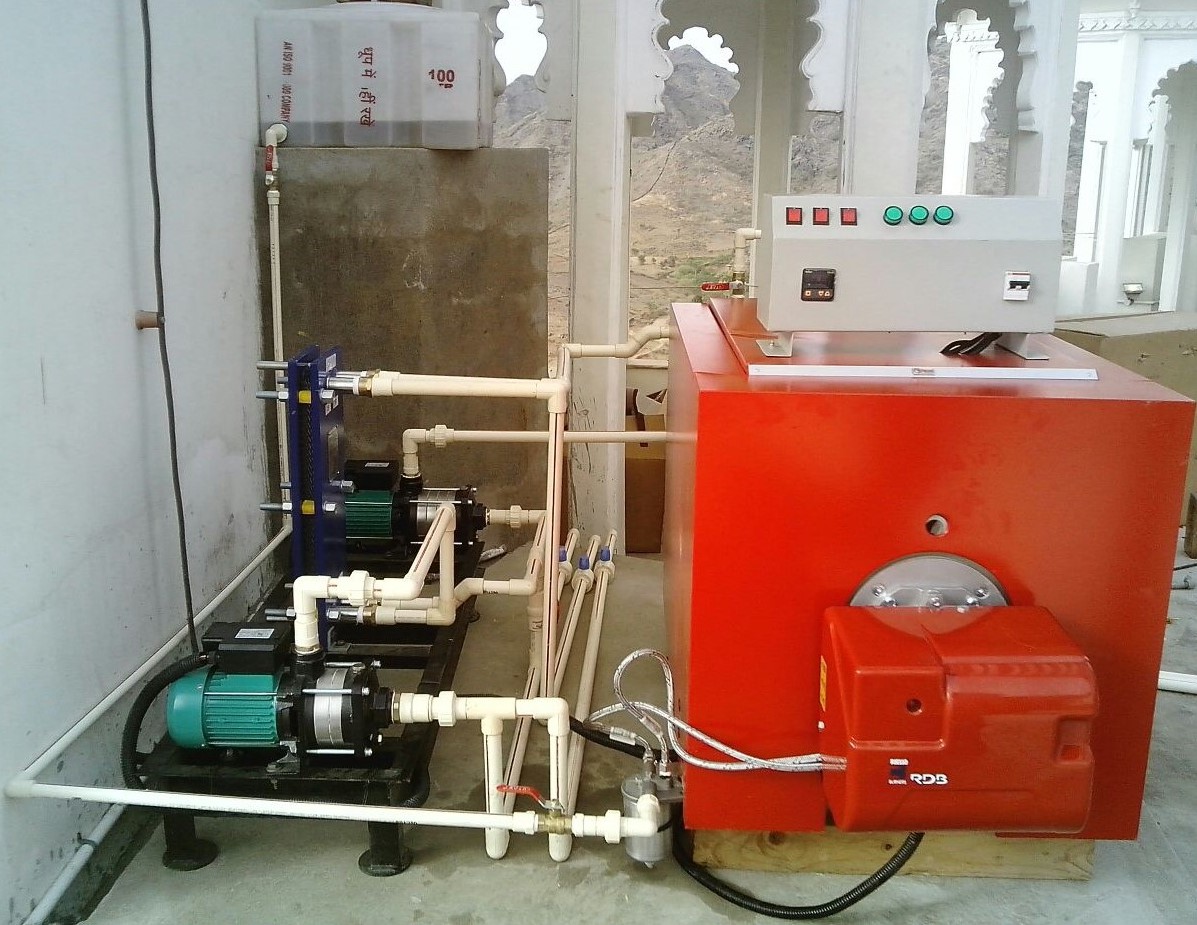
Hot water boilers are essential components in many residential, commercial, and industrial heating systems. They provide a reliable and efficient way to heat water, which is then circulated through radiators, underfloor heating systems, or used for domestic hot water. Understanding how hot water boilers work, their types, benefits, and maintenance can help you make an informed decision for your heating needs.
How Hot Water Boilers Work
Hot water boilers operate by heating water using a fuel source, typically natural gas, oil, or electricity. The heated water is then circulated through pipes to radiators, baseboard heaters, or underfloor heating systems, providing warmth to the building. The boiler maintains a constant temperature, ensuring that hot water is always available when needed.
The key components of a hot water boiler include the burner, heat exchanger, and controls. The burner ignites the fuel, creating heat that is transferred to the water through the heat exchanger. The controls regulate the temperature and ensure the system operates safely and efficiently.
Types of Hot Water Boilers
There are several types of hot water boilers, each suited to different applications and fuel sources.
1. Conventional Boilers:
Also known as regular or traditional boilers, conventional boilers are ideal for homes with an existing heating system that includes a separate hot water cylinder. They are suitable for properties with high hot water demand and multiple bathrooms.
2. Combi Boilers:
Combi (combination) boilers provide both heating and hot water directly from the boiler. They do not require a separate hot water cylinder, making them ideal for smaller properties with limited space. Combi boilers are energy-efficient and provide hot water on demand.
3. System Boilers:
System boilers, similar to conventional boilers, work with a hot water cylinder but do not require a cold water tank. They are suitable for homes with high hot water demand and provide a constant supply of hot water to multiple outlets simultaneously.
Benefits of Hot Water Boilers
Hot water boilers offer numerous benefits that make them a popular choice for heating systems.
1. Efficiency:
Modern hot water boilers are highly efficient, converting most of the fuel into heat with minimal wastage. This efficiency helps reduce energy bills and minimize environmental impact.
2. Reliability:
Hot water boilers provide a consistent and reliable source of heat. They are designed to operate continuously, ensuring that hot water is always available when needed.
3. Versatility:
Hot water boilers are versatile and can be used in various applications, from residential heating systems to large commercial installations. They can also be powered by different fuel sources, including natural gas, oil, and electricity.
4. Comfort:
By providing consistent and even heat distribution, hot water boilers enhance comfort levels in buildings. Radiant heating from hot water boilers is particularly effective, as it warms spaces without creating drafts or dry air.
Maintenance of Hot Water Boilers
Regular maintenance is crucial to ensure the longevity and efficiency of hot water boilers.
1. Annual Inspections:
Schedule annual inspections by a qualified technician to check for any potential issues, clean components, and ensure the system operates efficiently.
2. Flushing the System:
Periodically flush the boiler system to remove sediment and mineral buildup. This helps maintain efficient heat transfer and prevents damage to the boiler components.
3. Checking Pressure Levels:
Regularly check the pressure levels in the boiler system and adjust as necessary. Incorrect pressure can lead to inefficiency and potential damage.
4. Monitoring for Leaks:
Keep an eye out for any signs of leaks in the boiler system. Addressing leaks promptly can prevent further damage and maintain system efficiency.
Conclusion
Hot water boilers are a vital part of many heating systems, providing efficient and reliable heat for residential, commercial, and industrial applications. By understanding the different types of hot water boilers, their benefits, and the importance of regular maintenance, you can ensure a warm and comfortable environment while optimizing energy use and extending the life of your heating system. Investing in a high-quality hot water boiler and adhering to proper maintenance practices will deliver long-term benefits and peace of mind.