Glycerol, also known as glycerin, is a versatile and widely used chemical in various industries such as pharmaceuticals, cosmetics, food and beverages, and industrial applications. Its multifunctional properties, including its role as a humectant, solvent, and sweetener, make glycerol an essential ingredient in many products. This article provides a detailed analysis of the glycerol market, covering key trends, growth drivers, challenges, and future outlook.
Market Overview
Glycerol is a simple polyol compound derived from natural sources like vegetable oils and animal fats, as well as a by-product of biodiesel production. Its wide range of applications stems from its non-toxic, non-irritating, and moisturizing properties, making it a valuable component in numerous formulations. The glycerol market is experiencing robust growth due to increasing demand across various sectors.
Key Trends Shaping the Market
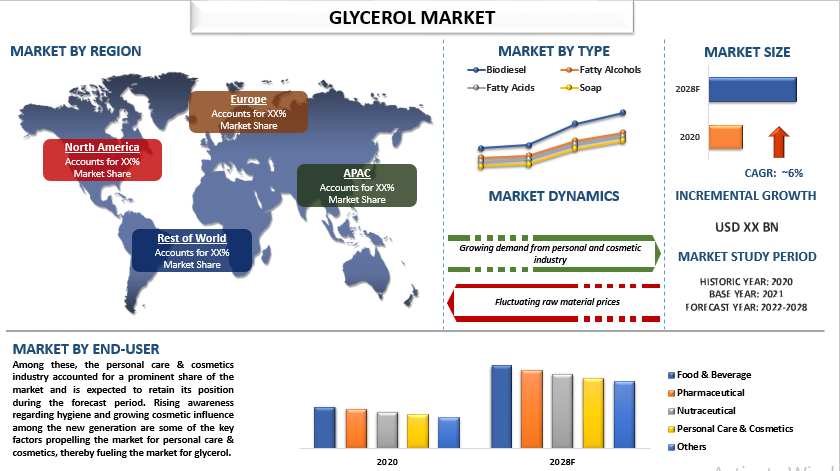
1. Rising Demand in Personal Care and Cosmetics: The personal care and cosmetics industry is a significant consumer of glycerol. Its moisturizing and emollient properties make it a preferred ingredient in skincare products, hair care formulations, and oral care products. The growing consumer preference for natural and organic personal care products is further boosting the demand for glycerol derived from renewable sources.
2. Growth in Food and Beverage Industry: In the food and beverage industry, glycerol is used as a sweetener, humectant, and preservative. It is commonly found in products such as confectionery, beverages, baked goods, and dairy products. The increasing demand for low-calorie and sugar-free products is driving the use of glycerol as a sugar substitute, enhancing its market growth.
3. Expansion of Pharmaceutical Applications: The pharmaceutical industry relies on glycerol for its solvent and excipient properties. It is used in the formulation of syrups, elixirs, ointments, and capsules. The rise in chronic diseases and the growing demand for over-the-counter (OTC) medications are contributing to the increased use of glycerol in pharmaceutical products.
4. Biodiesel Production and Glycerol Supply: The production of biodiesel results in glycerol as a by-product. With the expansion of the biodiesel industry driven by environmental regulations and the push for renewable energy sources, the supply of glycerol has increased. This has led to a surplus in the market, affecting glycerol prices and prompting innovation in the utilization of glycerol in various applications.
For a comprehensive analysis of the market drivers:- https://univdatos.com/report/glycerol-market/
Market Dynamics
Drivers
- Increasing Health and Wellness Awareness: The growing awareness of health and wellness is driving the demand for glycerol in personal care, food, and pharmaceutical products. Consumers are seeking products with natural and beneficial ingredients, boosting the market for glycerol.
- Technological Advancements: Advances in production technologies are improving the efficiency and quality of glycerol. Innovations in refining processes and the development of high-purity glycerol are expanding its applications and enhancing its market value.
- Sustainability and Green Chemistry: The shift towards sustainable and environmentally friendly products is favoring the use of glycerol derived from renewable sources. The emphasis on green chemistry and biodegradable ingredients is driving the adoption of glycerol in various industries.
Challenges
- Price Volatility: The surplus supply of glycerol resulting from biodiesel production can lead to price volatility. Fluctuations in crude oil prices and changes in biodiesel production can impact glycerol prices, posing a challenge for market stability.
- Competition from Synthetic Alternatives: The availability of synthetic alternatives to glycerol can affect its market growth. Synthetic humectants and solvents may offer similar properties at competitive prices, challenging the dominance of glycerol in certain applications.
- Regulatory and Quality Standards: Adherence to stringent regulatory and quality standards is essential for glycerol used in pharmaceuticals and food products. Compliance with these standards can be challenging and may require significant investments in quality control and certification.
For a sample report, visit:- https://univdatos.com/get-a-free-sample-form-php/?product_id=31032
Future Outlook
The glycerol market is poised for continued growth, driven by its versatile applications and increasing demand across various industries. Technological advancements, sustainability initiatives, and the rising consumer preference for natural products are expected to propel market expansion. The development of new and innovative applications for glycerol will further enhance its market potential.
In conclusion, glycerol is a vital component in numerous products, offering multifunctional benefits that drive its demand in diverse sectors. The market is set to grow, supported by trends in health and wellness, technological innovations, and sustainability. Despite challenges such as price volatility and competition, the glycerol market's future looks promising, with ample opportunities for growth and innovation.
Contact Us:
UnivDatos Market Insights
Email - contact@univdatos.com
Contact Number - +1 9782263411
Website -www.univdatos.com